

Victorian Diamond Cluster
A victorian diamond cluster gathers bright old-cut stones around a central gem to catch candlelight, offering a timeless weight and presence that modern settings rarely match.
Victorian Diamond Cluster
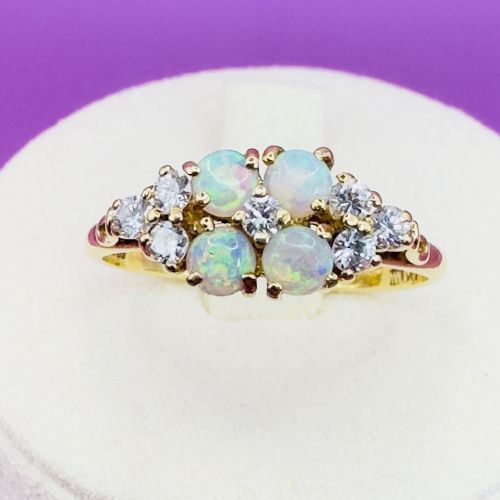
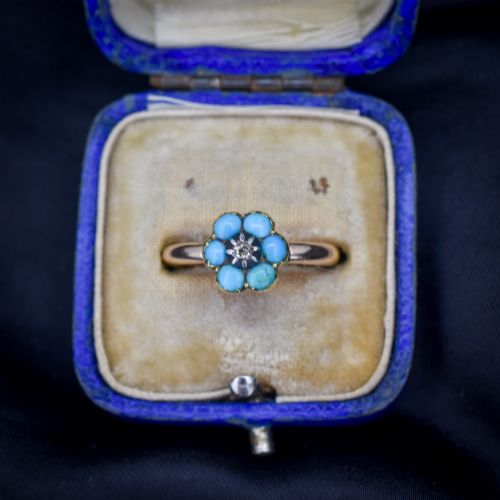
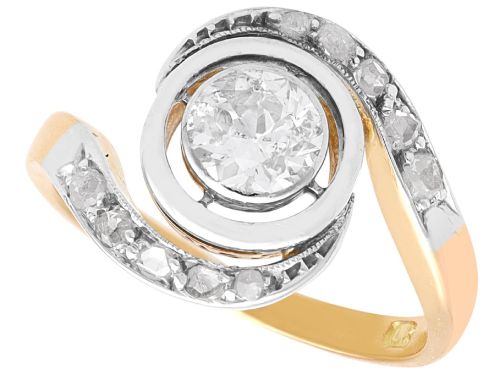
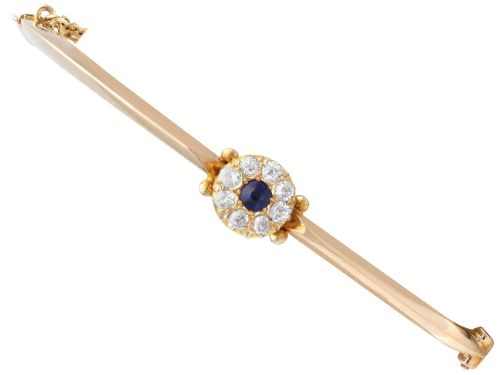
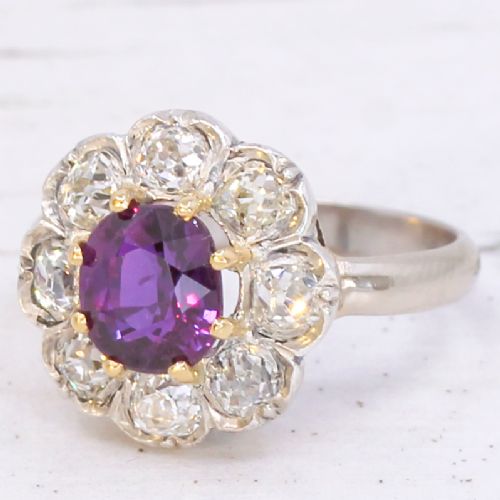
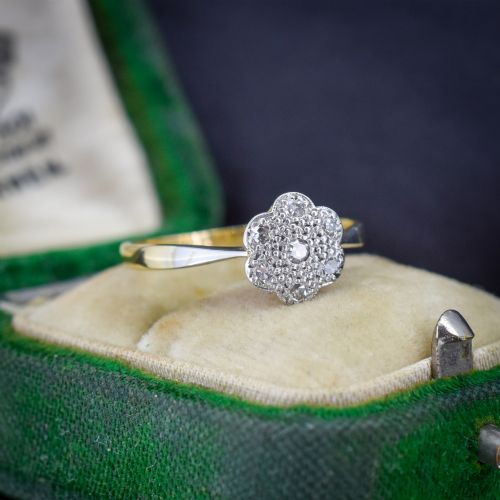
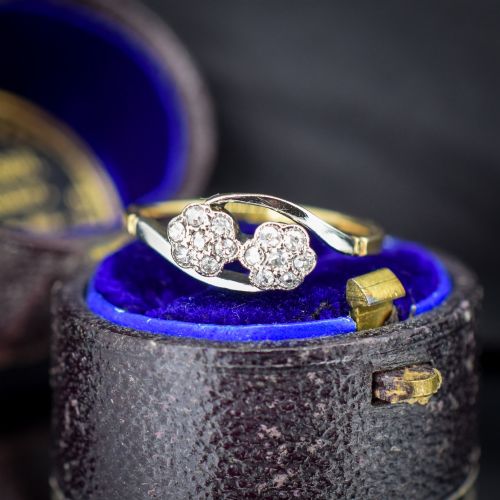
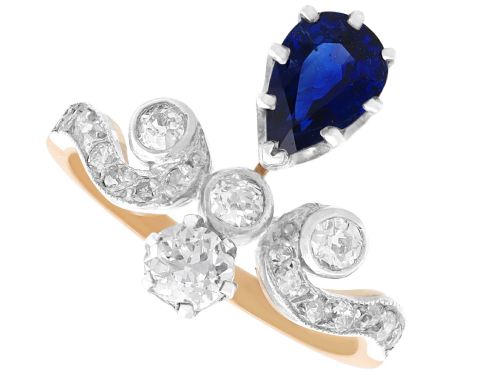
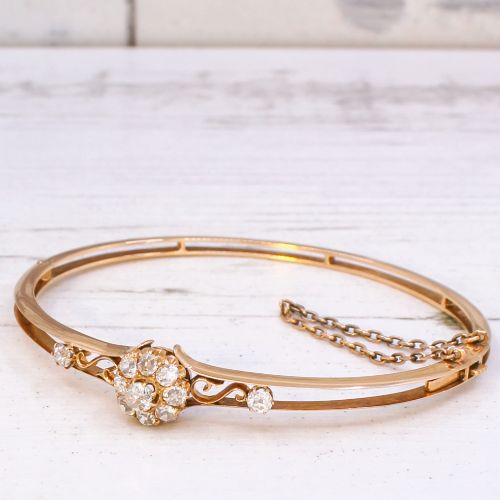
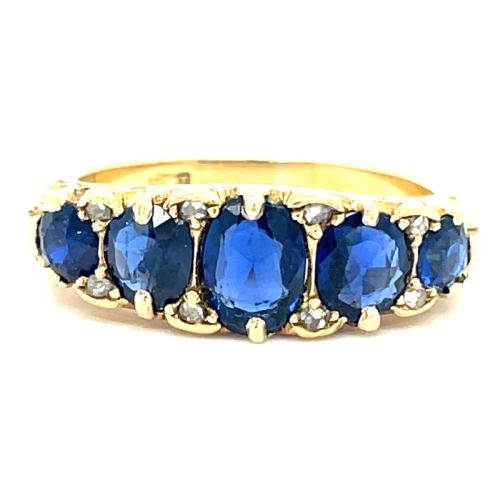
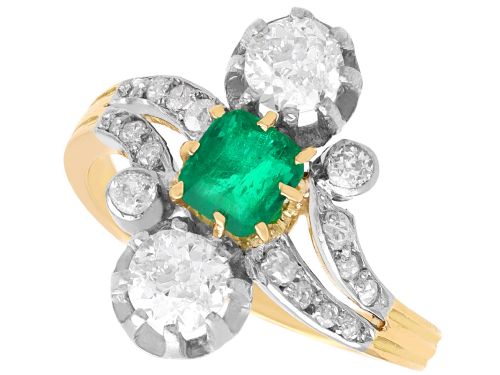
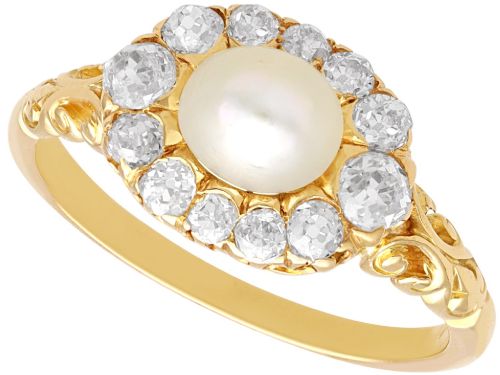
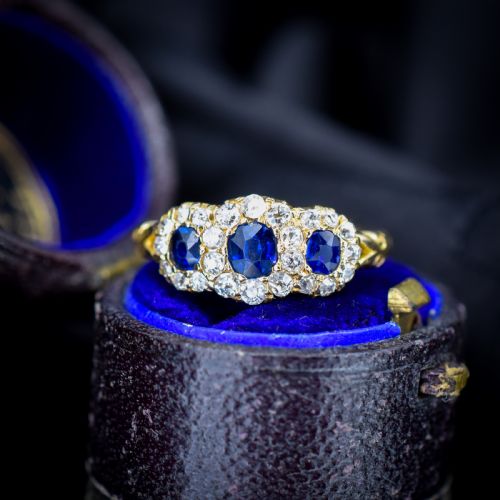
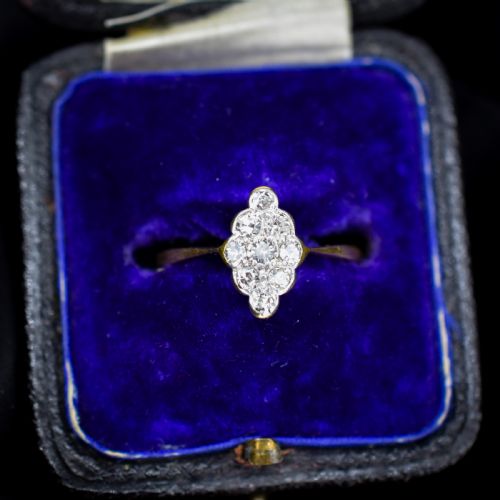
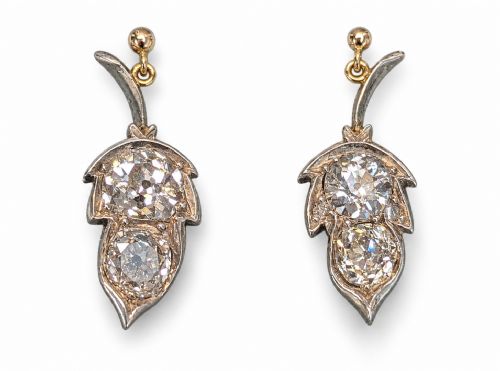
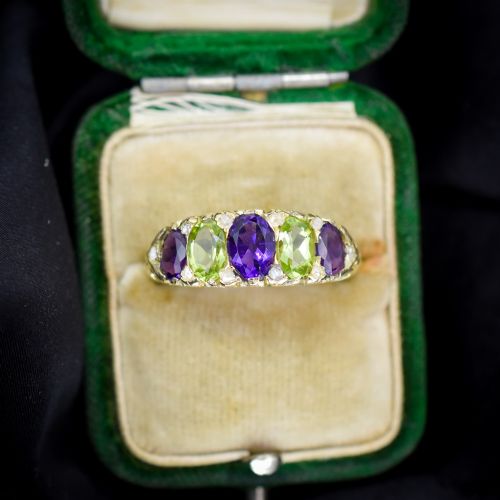
A victorian diamond cluster brings together a central gemstone surrounded by smaller diamonds, forming distinct floral, daisy, navette, or boat shapes. These pieces emerge primarily from the Victorian and Edwardian eras, spanning the late nineteenth and early twentieth centuries. While rings dominate the selection, buyers also encounter brooches, earrings, bangles, and pendants fashioned in matching styles.
The materials paired with diamonds in these clusters include 18ct yellow gold, 15ct gold, silver, and platinum. Central stones frequently feature sapphires, rubies, emeralds, pearls, and amethysts alongside all-diamond configurations. Forms range from traditional round daisy clusters to elongated navette and multi-stone twist designs.
Materials and Construction Techniques
Goldsmiths of the period commonly employed 18ct yellow gold and 15ct gold for shanks and mounts, occasionally combining silver on top to enhance the brilliance of early diamonds. Platinum appears in later transitional pieces, providing robust settings without heavy metal weight.
Stones are typically old-cut, old mine-cut, or rose-cut diamonds, shaped by hand rather than modern machinery. This manual facet placement creates softer, broader flashes of light compared to contemporary brilliant cuts.
Victorian Diamond Cluster Retail Price Guide 2026
Typical asking prices for victorian diamond cluster among the pieces listed under this phrase on Sellingantiques today, from the lower quarter to the upper quarter. They describe what is for sale here now, not the wider market.
The listings span the Victorian, Edwardian, and early twentieth-century periods, incorporating gold, silver, and platinum alongside emeralds, sapphires, rubies, and pearls.
Distinctions in Quality and Execution
Quality rests in the proportional harmony of the cluster and the matching of the surrounding stones to the centre gem. Superior examples maintain low profiles with secure collet settings that hold each stone firmly without obscuring its outline.
The integrity of the original metalwork and the absence of clumsy shank replacements dictate the desirability of a piece. Finer workshops ensured symmetrical claw or bezel arrangements that wear comfortably against the hand or fabric.
Knoll and Pregizer·G. Colani
The Victorian Diamond Cluster Glossary
- Old Cut
- A diamond facet style cut by hand before standard modern proportions were established, characterised by a smaller table and a higher crown. These stones display a distinctive warm glow under artificial light.
- Navette
- An elongated boat-shaped cluster setting that tapers to sharp points at either end. This design sits flat along the finger and creates an impression of greater length.
- Boat Ring
- A ring featuring a curved, slightly arched cluster setting reminiscent of a traditional boat hull. The shape allows multiple stones to curve naturally across the hand.
- Collet
- A low metal collar or band that encircles the girdle of a gemstone to hold it in place. Hand-formed collets are a hallmark of period jewelcrafting.
- Toi Et Moi
- A two-stone ring design translating to you and me, often incorporating diamond and gemstone clusters in a winding twist configuration.
Victorian Diamond Cluster: Frequently Asked Questions
How do I care for antique cluster jewellery?
Clean these pieces gently using warm soapy water and a soft brush, avoiding harsh ultrasonic cleaners that can loosen fragile old settings or damage natural pearls.
Store each item separately in a fabric-lined box to prevent the harder diamonds from scratching softer gold mounts or companion gemstones.
Can these rings be resized easily?
Most gold and platinum shanks can be adjusted by a skilled jeweller who understands antique construction methods. Care must be taken near the shoulder work to preserve any engraving or structural integrity.
Consult a specialist rather than a high-street shop to ensure the cluster setting remains undisturbed during the process.
What is the difference between old mine cut and old European cut?
Old mine cut diamonds feature a squarish cushion outline with a high crown and a large open culet, reflecting hand-craftsmanship from the eighteenth and nineteenth centuries. Old European cuts transition toward a rounder girdle and more symmetrical facet arrangement as machinery advanced towards the turn of the century.
Both cuts pre-date modern brilliant geometry and offer a deeper, softer interplay of candlelight.
How can I tell a Victorian piece from an Edwardian one?
Victorian examples frequently utilise rich 18ct or 15ct yellow gold settings with chunky old-mine diamonds and heavy bezels. Edwardian pieces often introduce platinum and lighter, more delicate openwork designs that echo lace and floral garlands.
Examining the metal colour, stone proportions, and overall weight helps place a piece within its correct stylistic decade.