

Victorian Dial Timepiece
A victorian dial timepiece delivers functional mechanical precision housed in robust mahogany or brass, making it an essential anchor for any traditional interior.
Victorian Dial Timepiece
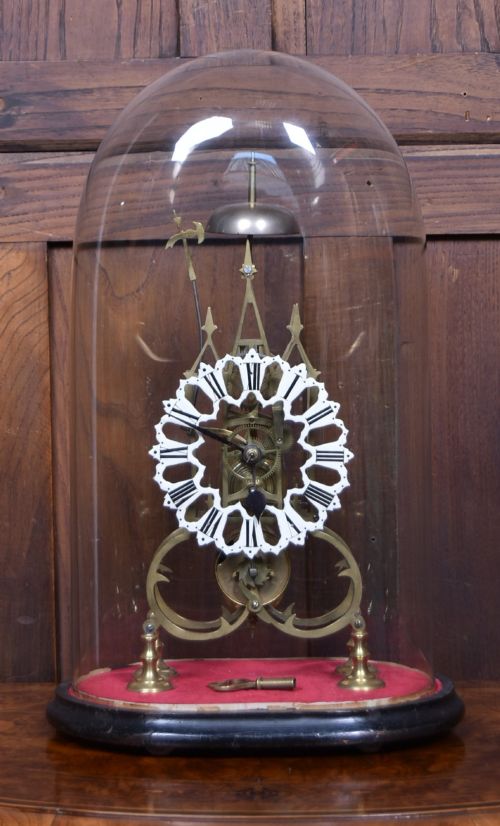
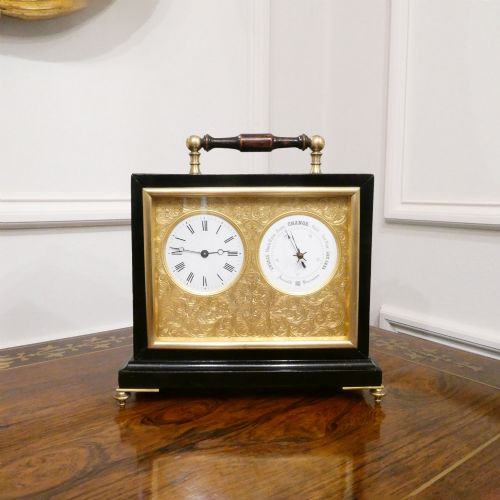
A victorian dial timepiece comprises wall-mounted clocks, mantel clocks, and portable carriage designs created during the nineteenth century. These objects function primarily to measure hours accurately while displaying distinct regional or maker signatures on their faces.
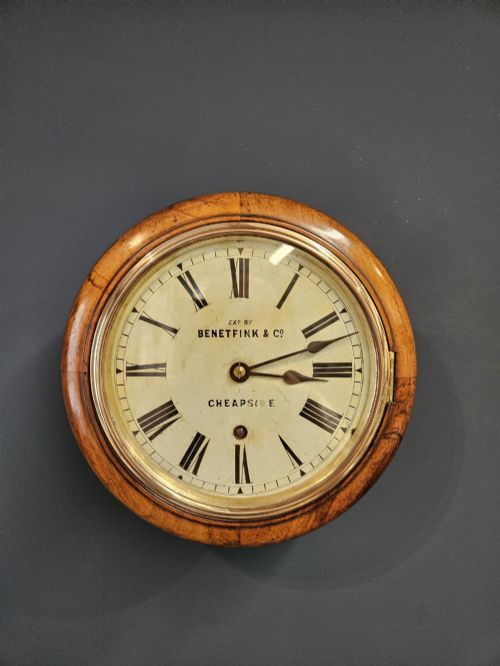
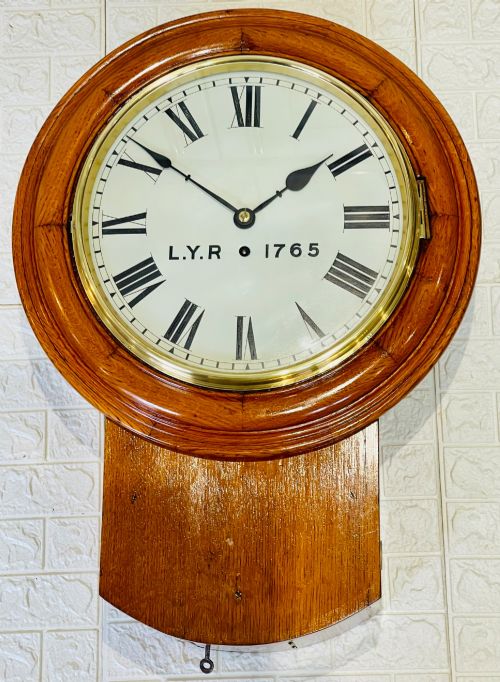
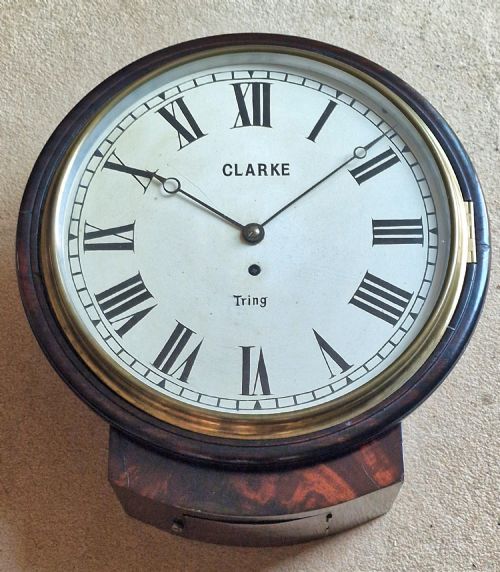
The wall-mounted railway variant dominates this category, often featuring fusee movements housed in round mahogany or oak surrounds. Such pieces reflect utilitarian origins within transport networks, contrasting with the more ornate domestic mantel and carriage formats.
Examples span periods from the eighteen-fifties through to nineteen-thirty, drawing on stylistic influences including French late nineteenth-century aesthetics and Louis XVI revival motifs. Buyers encounter both British railway timekeepers and decorative continental brass designs.
Materials and Construction
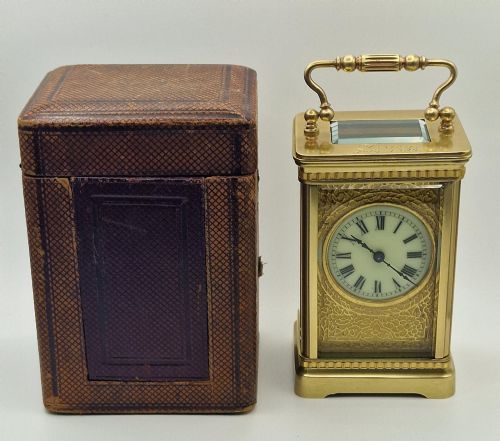
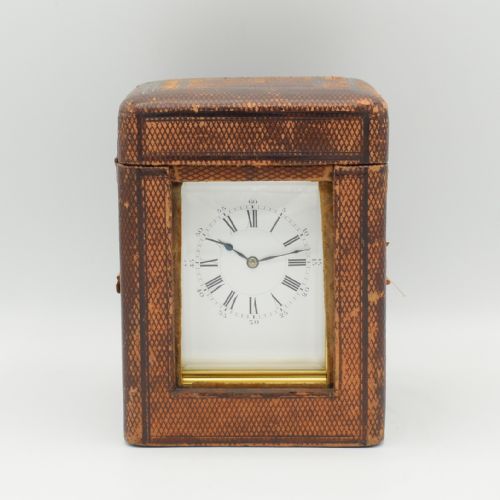
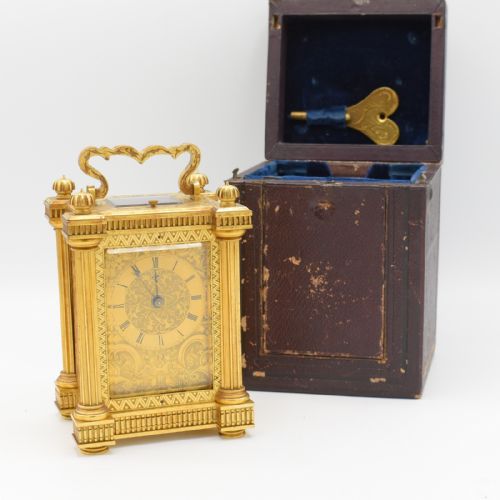
Clockmakers utilised solid timber such as mahogany, rosewood, and oak for heavy structural cases, protecting the internal mechanical assemblies. Glass panels and leather travel cases frequently accompanied portable carriage versions to shield fragile components.
Metalworking formed the backbone of the movement, with brass, gilt brass, and steel utilised for gears, plates, and escapements. Enamel dials provided a crisp, readable surface for painted numerals, often paired with protective glass bezels.
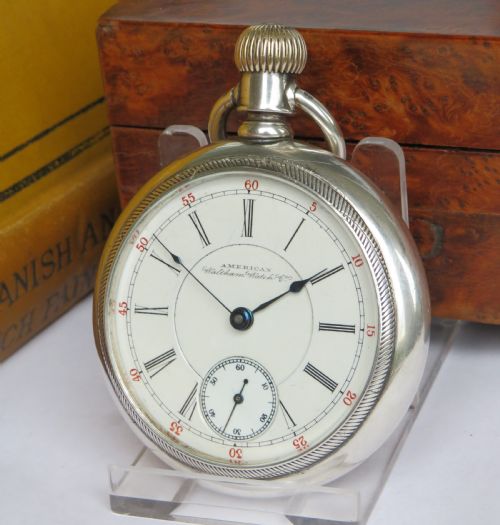
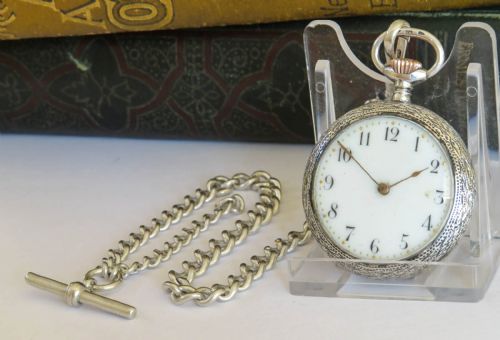
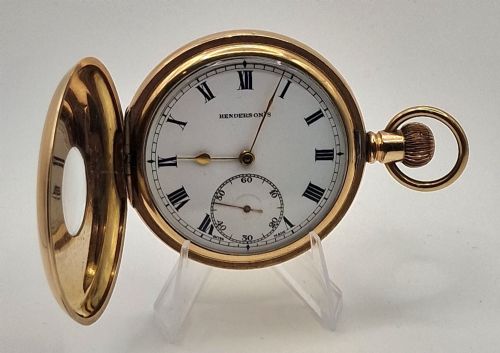
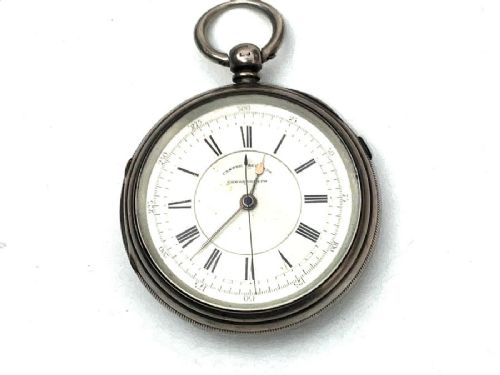
Listings feature brass, silver, mahogany, and glass across wall clocks, pocket watches, and carriage clocks spanning the nineteenth century.
Assessing Craftsmanship
Superior quality victorian dial timepiece examples distinguish themselves through the precision of the fusee movement and the crisp execution of engraved brass gorge cases. Maker signatures inscribed on dial faces or backplates elevate the historical importance of individual items.
The integrity of the timber housing, whether polished mahogany or rosewood, dictates visual distinction alongside the clarity of painted enamel dials. Original components, including matching travel cases and winding keys, separate standard production items from finer workshop output.
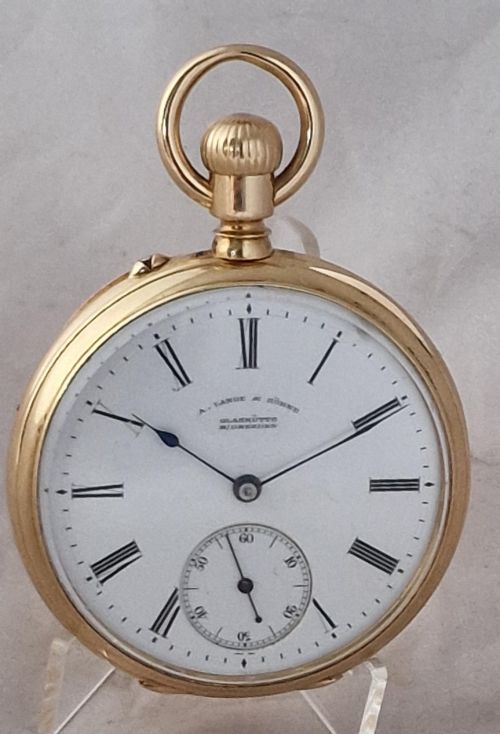
Henri Jacot·George Clarke·Lange and Sohne·Howell and James·Mappin and Webb·Henry Harris·Richard Winter·Pickford of London·Drocourt Paris·T Martin and Co·C Detouche Paris·J W Benson
The Victorian Dial Timepiece Glossary
- Fusee
- A conical pulley connected to a cord or chain that equalizes the diminishing power of the mainspring as it unwinds. This mechanism ensures consistent torque and therefore greater timekeeping accuracy throughout the day.
- Carriage clock
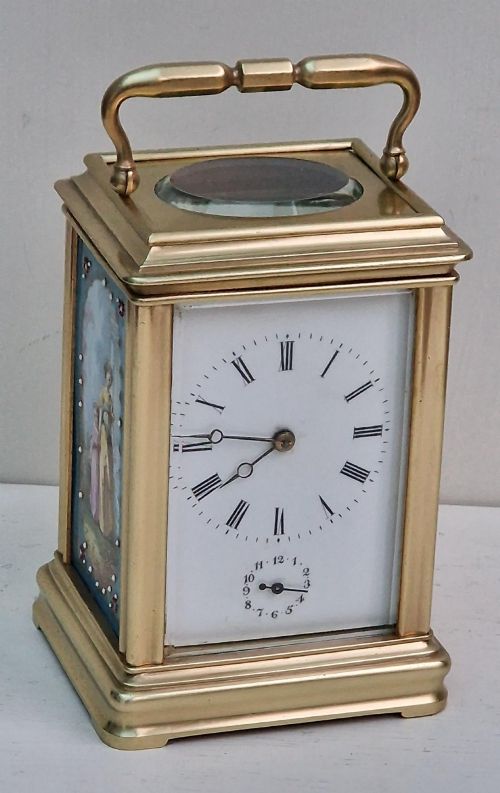
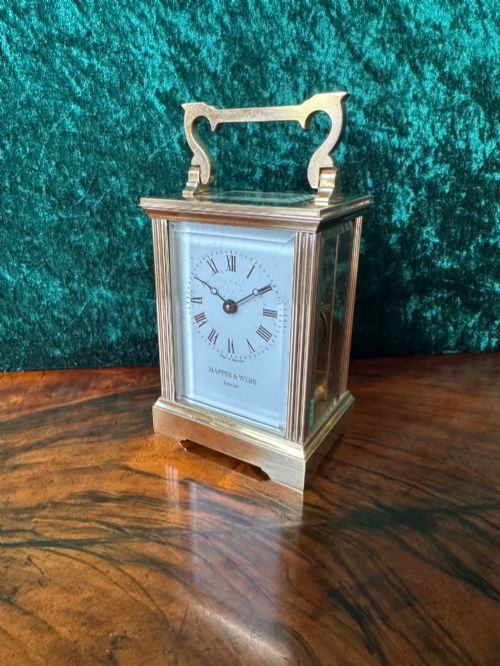
- A small, portable spring-driven clock designed for travellers, typically housed in a brass frame with glass panels. Originating in France, these pieces often feature repeating mechanisms or alarm functions.
- Drop dial clock
- A wall clock featuring a circular dial above an extended wooden trunk that houses the pendulum. This form became standard for offices, stations, and domestic hallways during the nineteenth century.
- Gorge case
- A stepped, pillared brass housing style characteristic of high-end nineteenth-century carriage clocks. The architectural moulding provides structural rigidity while framing the bevelled glass panels.
- Repeater
- A mechanical complication that strikes the hours and quarters on demand when a lever or button is pressed. This feature allowed owners to check the time in darkness before electric lighting was common.
Victorian Dial Timepiece: Frequently Asked Questions
What is a fusee movement?
A fusee movement uses a conical drum and chain to maintain steady tension on the gear train as the mainspring relaxes. This clever engineering ensures the clock maintains consistent timekeeping from the moment it is fully wound until it runs down.
Such mechanisms indicate higher grade British timepieces, particularly those made for railways and large public offices where accuracy was paramount.
How do I wind a carriage clock?
Winding requires a matching key inserted into the winding arbors located on the underside or backplate of the movement. Care must be taken not to overwind the mainspring, stopping the moment resistance increases.
Many examples require winding every eight days, though models with striking or repeating complications may need attention sooner depending on their gear train configuration.
Where were dial wall clocks used?
Dial wall clocks found homes in railway stations, administrative offices, and large domestic hallways where clear visibility from a distance was essential. Their robust mahogany or oak cases protected the internal mechanics from dust and heavy atmosphere.
Railway companies such as the Great Western Railway utilised specific station clocks to maintain strict timetables across their network.
How do I care for a brass carriage clock?
Keeping the clock away from direct sunlight, damp environments, and sudden temperature fluctuations protects both the brass case and the delicate internal steel components. Regular professional servicing ensures the gear train remains free of old, hardened oil.
When moving the clock, securing or removing the pendulum where applicable prevents damage to the escapement.