




Victorian Desk Decor
Victorian desk decor brings together practical nineteenth-century accessories and desktop ornaments shaped from brass, oak, glass, and horn for daily study use.
Victorian Desk Decor
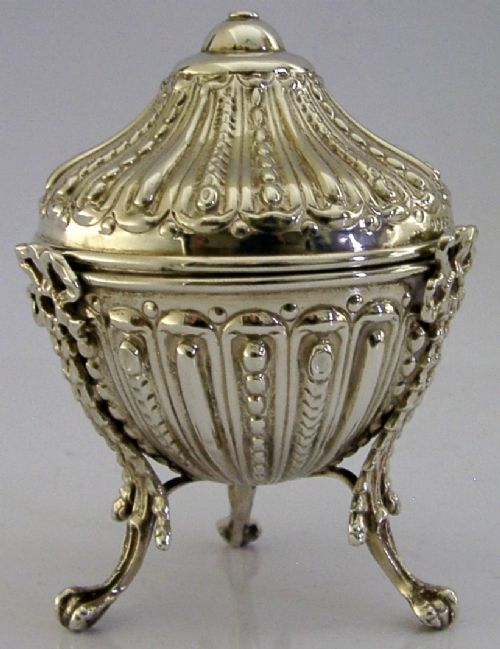
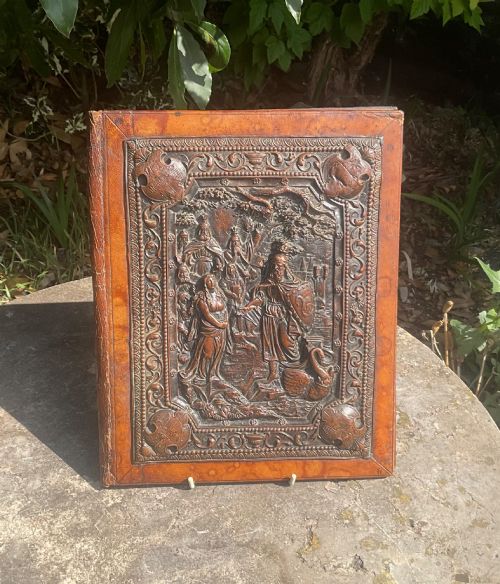
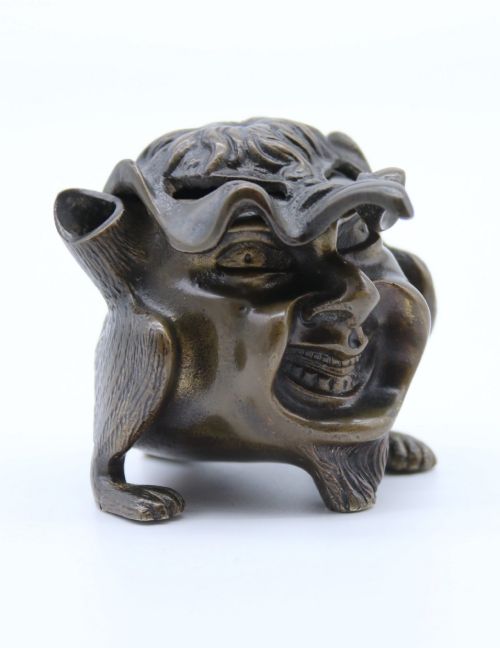
Victorian desk decor covers nineteenth-century writing accessories and tabletop items designed to organise and embellish the study or library. Buyers seeking these pieces will encounter functional desk stands, inkwells, paperweights, and book slides spanning the 19th century and early 20th century.
The objects frequently combine utilitarian metals and timbers with decorative elements influenced by styles such as Art Nouveau, Victorian Gothic Revival, and Scottish Baronial. Common forms include brass-mounted antlers, horse hoof inkwells, and inlaid wooden paperweights.
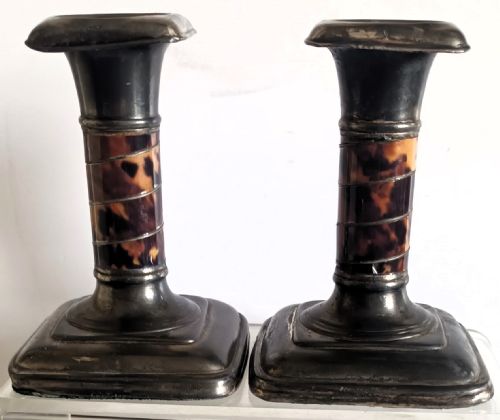
Pieces originating from domestic workshops and continental makers appear in materials ranging from sterling silver and tortoiseshell to cast iron and porcelain. These items reflect the heavy emphasis placed on opulent and organised writing spaces during the period.
How they were made
Makers utilised cast and forged metals including brass, copper, bronze, and iron for structural components, inkwell lids, and heavy paperweights. These metals were often combined with organic materials such as oak, mahogany, maple, horn, antler, and tortoiseshell.
Decorative surfaces frequently incorporated champlevé enamel, hand-painted Dutch Delft faience, pietra dura specimen work, and intricate boxwood and lignum vitae inlay. Glass elements ranged from iridescent inkwell inserts to spirit dispensing barrel lamps.
Mounting techniques joined these diverse materials securely, fixing silver and brass hardware directly onto polished hardwoods, stone plinths, and taxidermy mounts like pony and horse hooves.
Victorian Desk Decor Retail Price Guide 2026
Typical asking prices for victorian desk decor among the pieces listed under this phrase on Sellingantiques today, from the lower quarter to the upper quarter. They describe what is for sale here now, not the wider market.
Several pieces incorporate taxidermy hooves and glass-eyed owls into their daily study functions.
What varies in quality
Quality in these desk accessories rests upon the selection and pairing of materials, distinguishing standard utility items from luxury pieces commissioned for grand libraries. Heavy cast bronze work, detailed horn carving, and fine silver mounts elevate the standing of an inkstand or paperweight.
The integration of specialised artistic techniques such as champlevé enamel, pietra dura inlay, or finely detailed glass eyes in figural pieces separates basic production from master craftsmanship. Harmony between the primary timber and applied metal fittings dictates the visual success of each item.
Crunchley·Samuel Alcock·Dollond·Wagner Lohengrin
The Victorian Desk Decor Glossary
- Inkwell
- A small container for holding liquid ink, typically fitted with a hinged lid and housed within a larger desk stand or desktop set. These vessels were essential components of nineteenth-century writing desks.
- Book slide
- An adjustable rack designed to hold a row of books upright on a desktop or table, often featuring extending wooden panels and decorative ends. They kept working volumes close at hand.
- Pietra dura
- An artistic technique using cut and fitted polished coloured stones to create pictorial designs, frequently seen on Grand Tour specimen paperweights. The method produces durable and colourful mosaic surfaces.
- Champlevé enamel
- A method where troughs or cells are carved into a metal surface and filled with vitreous enamel before firing. This technique creates vibrant decorative patterns on metal ink stands.
- Dog of Fo
- A traditional Chinese guardian lion motif utilised as a decorative subject for carved soapstone and jade marble bookends. These figures reflect nineteenth-century collecting tastes for oriental objects.
Victorian Desk Decor: Frequently Asked Questions
How were antique inkwells used?
Antique inkwells held liquid ink for dip pens before the widespread adoption of fountain pens, sitting centrally on desks or within portable stands.
They were paired with blotters and pen trays to manage excess ink and maintain an orderly writing surface.
How do I style desk accessories?
These pieces can be integrated onto modern working desks or display shelves to add historical texture and organic materials like horn and timber.
Combining items with contrasting textures, such as polished brass and carved wood, creates a balanced desktop arrangement.
How do I identify periods?
Period identification relies on recognising characteristic styles such as Art Nouveau curves, Gothic Revival motifs, or Edwardian manufacturing techniques.
Material choices, mounting styles, and maker signatures also assist in dating items between the nineteenth century and the early 1920s.