



Victorian Desk Collectable
A victorian desk collectable is a small, functional desk accessory from the nineteenth century designed to bring order and character to a traditional writing table.
Victorian Desk Collectable
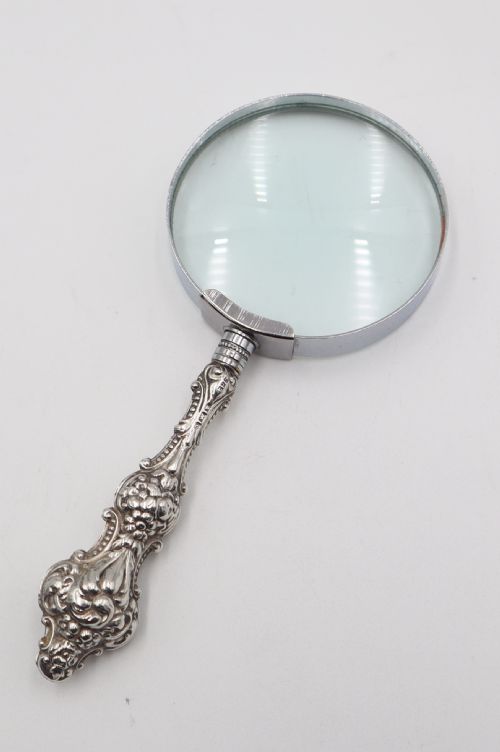
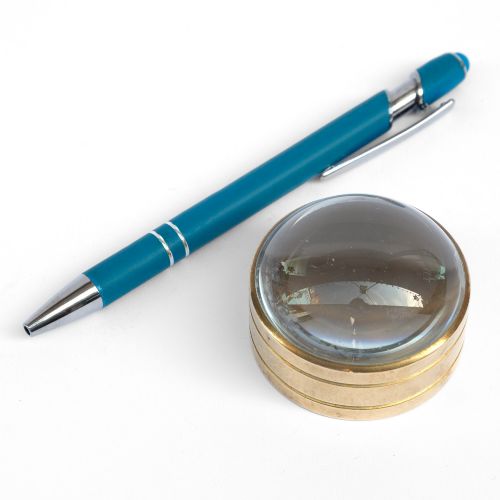
A victorian desk collectable encompasses a wide variety of small objects designed for the nineteenth century writing desk, ranging from inkwells and string boxes to magnifying glasses and pin cushions.
The pieces appearing on this page span the Victorian and Edwardian periods, extending from the mid nineteenth century into the early twentieth century.
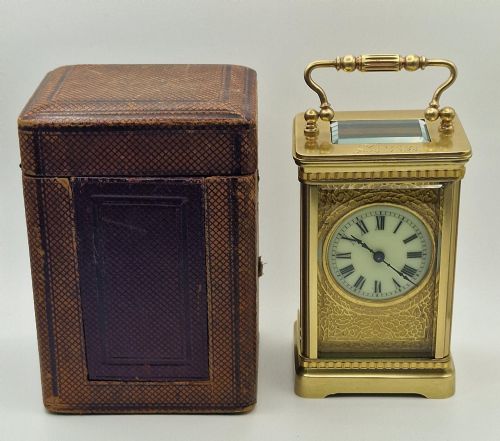
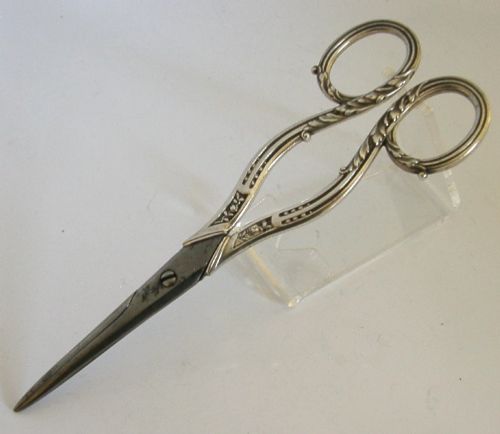
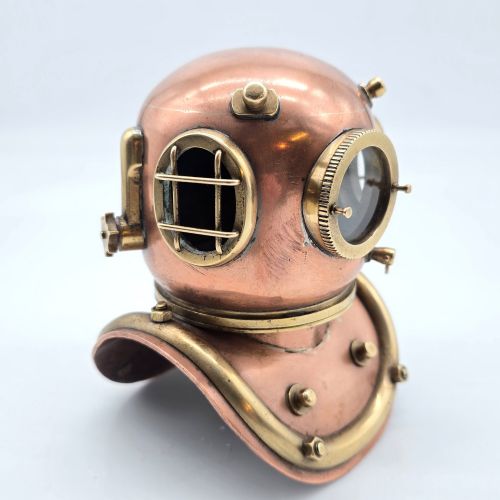
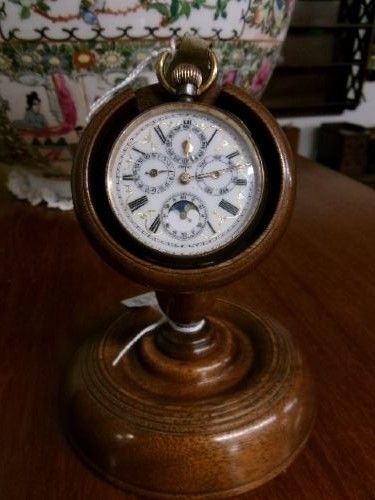
Forms include carriage clocks, novelty pin cushions in silver, stamp cases, and miniature models alongside practical items like pen nib boxes and travellers inkwells.
Materials and Construction
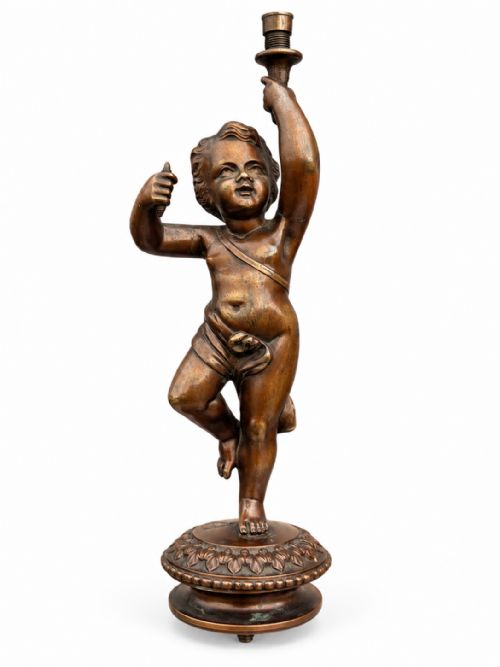
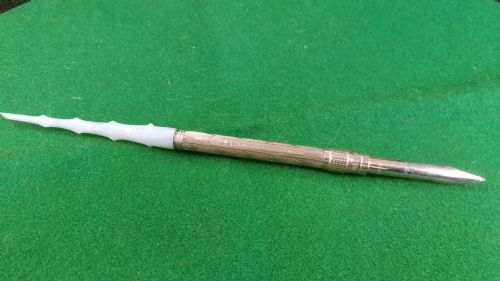
Metalwork dominates the selection, utilising sterling silver, brass, gun metal, and gilt bronze, often featuring repousse or cast details.
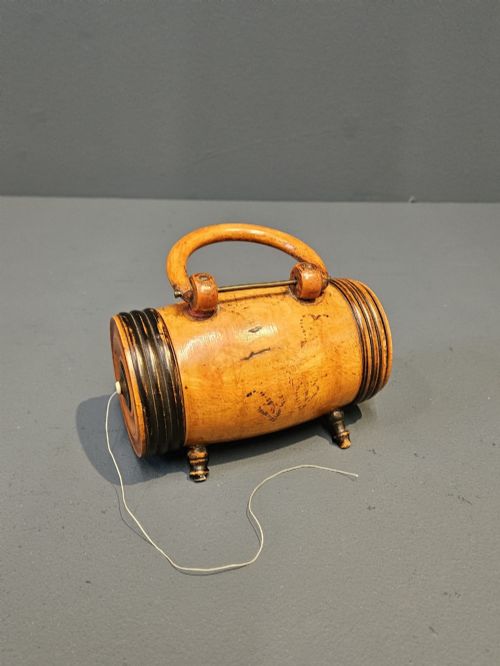
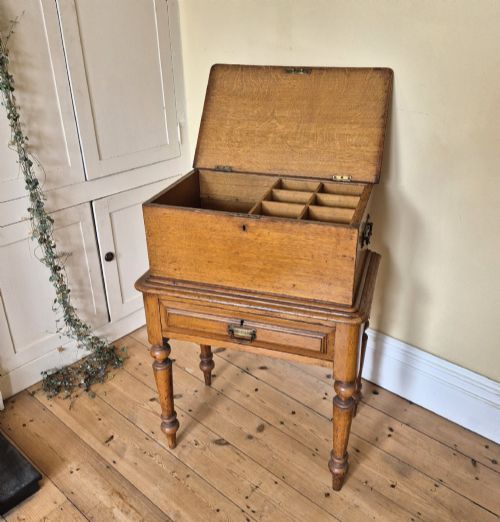
Woodworking traditions appear through fruitwood, walnut, tunbridgeware, and oak, frequently shaped into barrels, boxes, and miniature chests.
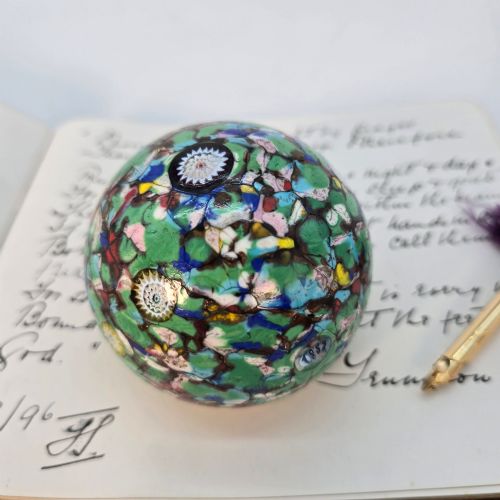
Additional media include glass, enamel, tortoiseshell, stoneware, and velvet, combining to create functional desktop items with decorative finish.
Victorian Desk Collectable Retail Price Guide 2026
Typical asking prices for victorian desk collectable among the pieces listed under this phrase on Sellingantiques today, from the lower quarter to the upper quarter. They describe what is for sale here now, not the wider market.
A cast metal bulldog sits ready to hold your desk pins, proving that Victorian desk accessories had a distinct sense of humour.
Factors of Quality
Quality rests upon the crispness of casting in bronze and brass or the precise execution of repousse work and silver hallmarks.
Material selection dictates value, distinguishing standard timber constructions from intricate tunbridgeware or solid sterling silver novelties.
Maker attribution and originality of components, such as intact glass lenses or working clock movements, separate standard utility items from finer cabinet pieces.
Mappin and Webb·Mabie Todd & Co·Joseph Francois Victor Chemin·Franze Bergman
The Victorian Desk Collectable Glossary
- Repousse
- Metalworking technique where the design is hammered into relief from the reverse side. This creates textured surface ornamentation on silver and brass items.
- Tunbridgeware
- Form of woodworking characterised by mosaic patterns made from tiny precisely fitted blocks of naturally coloured woods. It decorates boxes and small desk items.
- Carriage clock
- Portable spring driven clock made for travelling during the nineteenth century. These typically feature brass frames with glass panels.
- Novelty pin cushion
- Small padded sewing accessory shaped to resemble animals, vehicles, or everyday objects. They are frequently cast in sterling silver.
- String box
- Enclosed container designed to hold a ball of twine with a small aperture or cutter for dispensing. Fruitwood and treen versions are common.
Victorian Desk Collectable: Frequently Asked Questions
What is a desk collectable?
A desk collectable is a small antique accessory designed for writing and correspondence tasks on a nineteenth century desk.
These items combine practical utility with decorative craftsmanship, ranging from inkwells and magnifying glasses to novelty pin cushions and carriage clocks.
How were nineteenth century inkwells used?
Nineteenth century inkwells held liquid ink safely on the desktop for daily writing with dip pens. They were manufactured in materials like stoneware, glass, and silver.
Many featured hinged lids or internal glass liners to prevent the ink from drying out or spilling upon the writing surface.
What materials are common in these items?
Metals such as brass, sterling silver, and bronze appear frequently alongside various hardwoods like walnut, oak, and fruitwood.
Additional materials include glass, tortoiseshell, enamel, and velvet, reflecting the diverse manufacturing techniques of the period.
How do I identify a Victorian piece?
Victorian pieces can often be identified through assay office hallmarks, specific nineteenth century styling, and traditional construction methods.
Stylistic cues such as repousse decoration, animalier bronzes, and tunbridgeware help distinguish items made during the reign of Queen Victoria.