





Victorian Decorative Tableware
Victorian decorative tableware brings ornamented ceramics and silver to the dining table, offering service pieces and serving vessels shaped by nineteenth century dining customs.
Victorian Decorative Tableware
Victorian decorative tableware encompasses service pieces, dessert services, decorative plates, and serving vessels intended for the dining table. These items emerge primarily from the nineteenth century, with representation spanning from the 1860s through the 1930s.
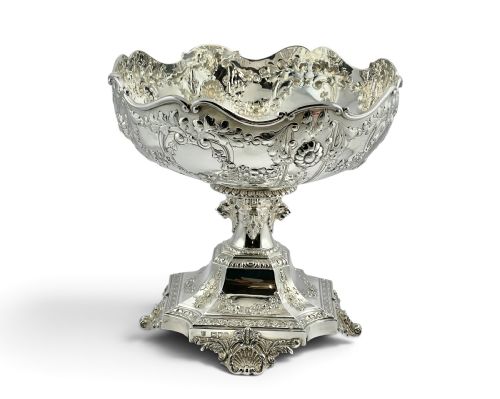
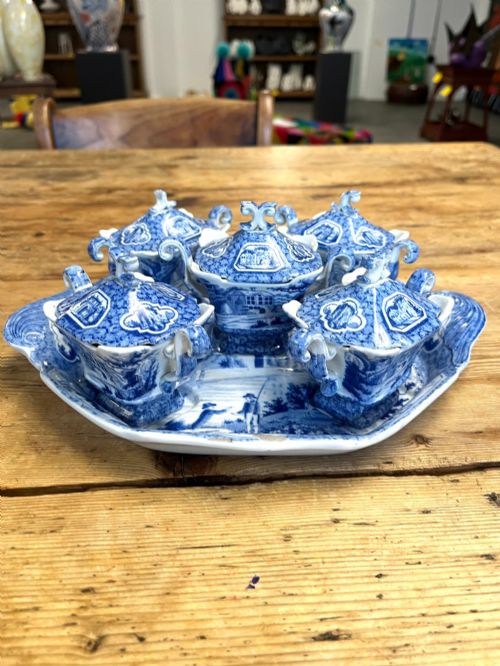
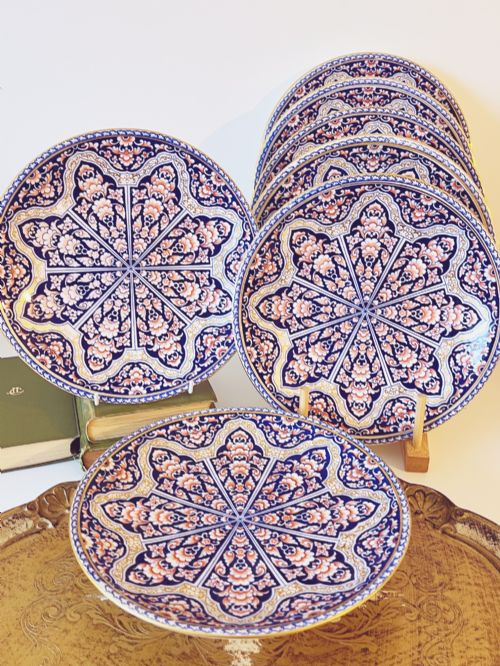
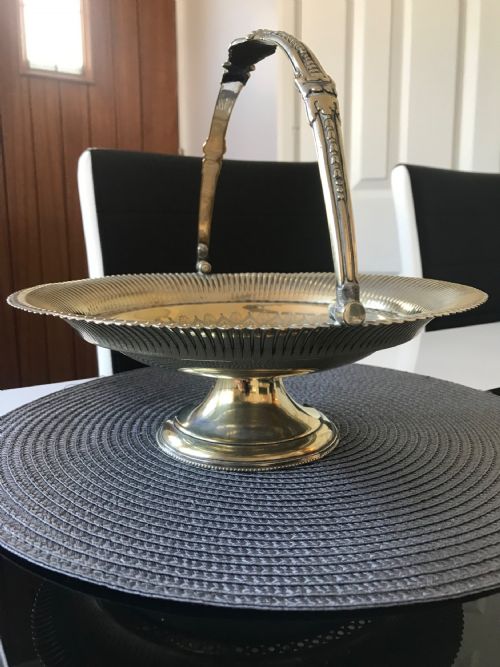
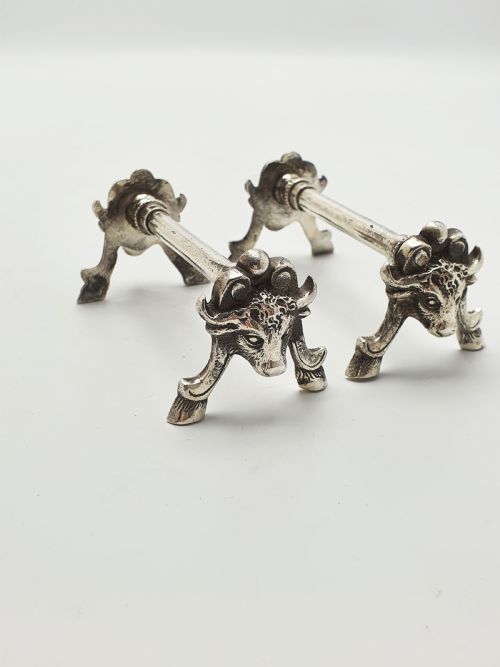
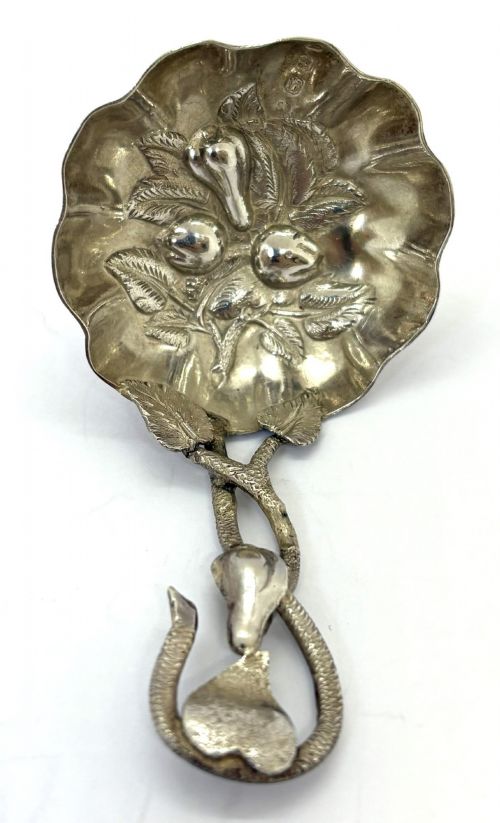
The objects take forms such as comports, knife rests, tea strainers, sauce tureens, and fruit baskets. Ceramic dessert plates and ironstone dishes sit alongside silver plate, sterling silver, brass, and glass items.
Makers and manufacturers represented include Royal Crown Derby, Mason's, Doulton Lambeth, Royal Worcester, and Elkington & Co. Styles draw upon Victorian, Neoclassical, Victorian Imari, Arts & Crafts, and French Napoleon III design vocabularies.
Materials and construction methods
Ceramic pieces utilise bodies such as ironstone, porcelain, and stoneware, frequently finished with enamel decoration, transfer printing, or gold leaf accents. Stoneware incorporates modelled and incised decoration executed by studio artists.
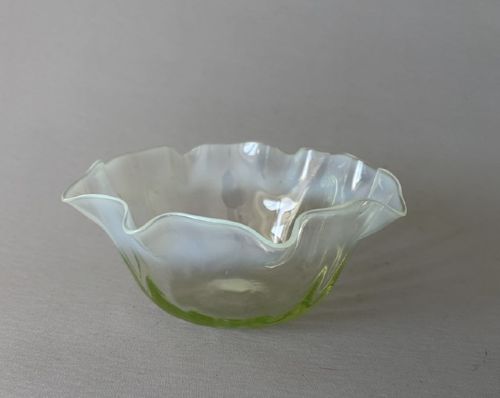
Metal items combine silver plating and sterling silver with cast brass, employing techniques like chasing, casting, and piercing for fruit baskets, napkin clips, and serving tongs. Glass tableware utilises opaline and cranberry glass blown into moulds or shaped into specific forms like scallop shell dishes.
Wooden elements appear turned and fitted to metal tea strainers, while handles and mounts are secured to silver plated and ceramic bodies with traditional pinned or soldered joints.
Victorian Decorative Tableware Retail Price Guide 2026
Typical asking prices for victorian decorative tableware among the pieces listed under this phrase on Sellingantiques today, from the lower quarter to the upper quarter. They describe what is for sale here now, not the wider market.
Listings feature ceramics from the nineteenth century alongside silver plate, sterling silver, brass, and glass items.
Distinctions in quality and execution
The standard of execution rests upon the crispness of modelling in cast metal work and the precision of hand-painted enamels on porcelain or ironstone plates. Pieces decorated by named artists or produced by established potteries demonstrate superior artistic control.
The integrity of gilding and the preservation of original silver plating surfaces influence the visual merit of tableware items. Intricate hand-chasing on silver bowls and tongs distinguishes workshop production from standard commercial output.
Royal Crown Derby·Mason's·Doulton Lambeth·Royal Worcester·Elkington & Co
The Victorian Decorative Tableware Glossary
- Comport
- A raised dish or bowl used for serving fruit or sweetmeats as part of a dessert service. It stands on a footed base above the table surface.
- Ironstone
- A heavy, durable type of ceramic patented in the nineteenth century to imitate Chinese porcelain. It provides a robust body for dinner plates and large soup tureens.
- Majolica
- A type of earthenware glazed with coloured lead opacified tin glazes, known for vibrant hues and moulded botanical or animal motifs. Cheese dishes and plates frequently utilise this technique.
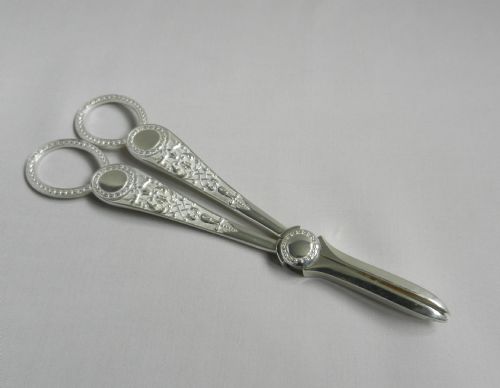
- Grape shears
- Specialised scissors designed specifically for cutting clusters of fruit at the table. They often feature cast and chased vine leaf decoration on the handles.
- Opaline glass
- An opaque or translucent glass produced in various pale colours during the nineteenth century. It is frequently moulded into decorative dishes and tableware.
Victorian Decorative Tableware: Frequently Asked Questions
What is a dessert service?
A dessert service is a matched set of plates and serving pieces, such as comports, intended for the final course of a formal meal. These sets often combine hand-painted porcelain with gilded borders.
They were displayed on the dining table to present fruit, nuts, and sweet dishes to guests.
How do I care for antique silver plated tableware?
Antique silver plated items require gentle cleaning with non-abrasive silver polish and a soft cloth to preserve the underlying metal layer. Avoid harsh chemical dips that strip the aged patina.
Store pieces in dry conditions away from direct sunlight and humidity to prevent tarnishing.
How were knife rests used at the Victorian table?
Knife rests were placed beside each setting to hold carving or dining knives between courses, keeping the blade elevated off the tablecloth. They were cast in metals like silver plate and brass in various figural shapes.
These small accessories protected fine linen table covers from grease and food stains during multi-course meals.