




Victorian Decorative Ball
A victorian decorative ball brings sculptural weight and polished reflection to a room, turning everyday objects into striking focal points.
Victorian Decorative Ball
When you search for a victorian decorative ball, you encounter a diverse group of nineteenth-century objects where spherical forms dominate the design. These pieces range from polished glass witch balls and convex porthole mirrors to turned hardwood string boxes and heavy brass finials.
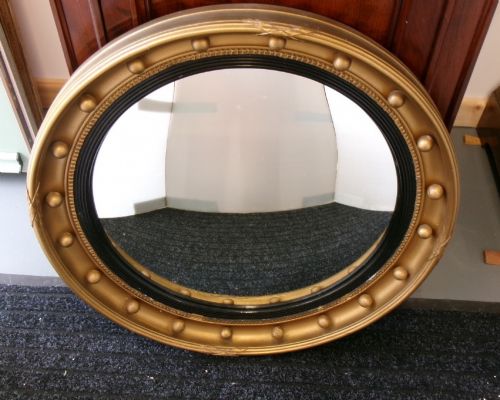
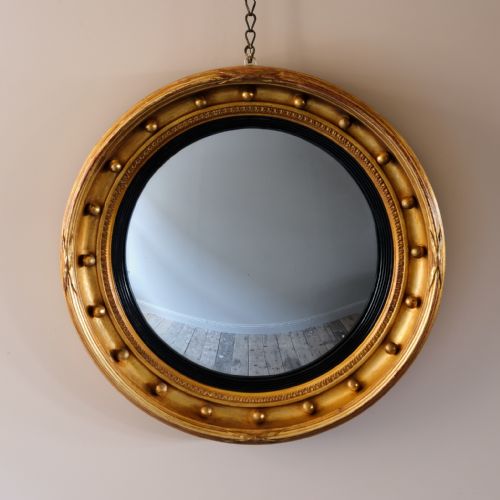
The versions most frequently met on this page include convex mirrors capturing wide room reflections and practical accessories incorporating spherical motifs. Each item reflects the Victorian appetite for turning functional hearth and hallway items into decorative displays.
How they were made
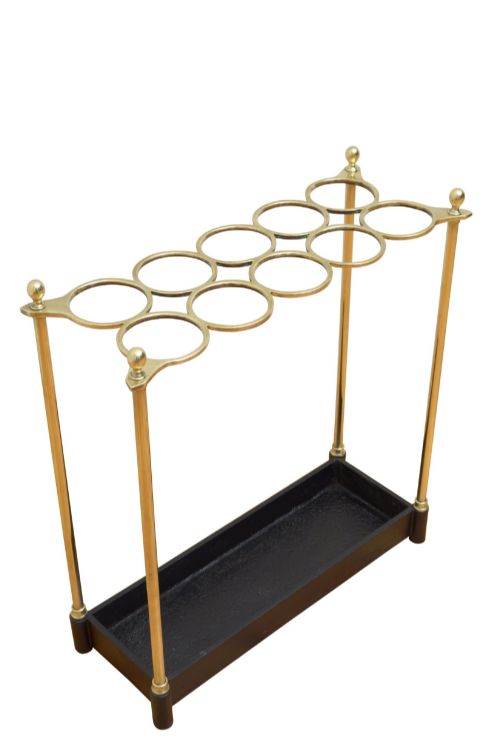
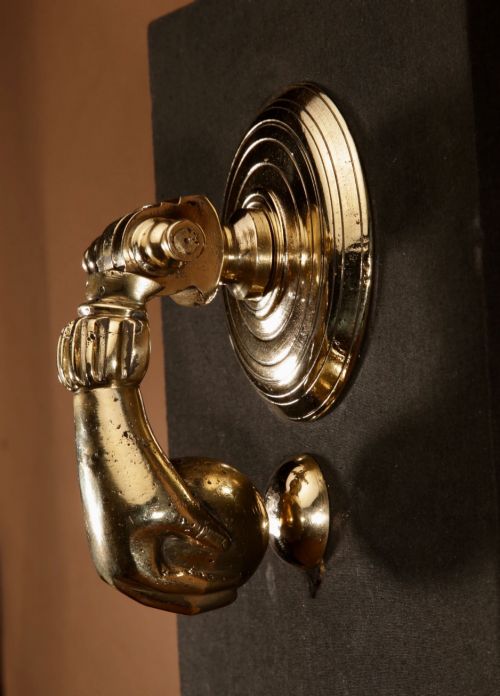
The construction of these items relies heavily on cast and turned metals alongside blown glass and dense hardwoods. Brass and bronze provide durability for door knockers and umbrella stands, while ebonised wood and walnut form the foundations for smaller treen boxes and seating.
Makers utilised traditional techniques such as potichomania for glass decoration and precise lathe turning for hardwood string boxes. Wrought iron and giltwood further complement the metalwork, showing the varied artisan skills of the nineteenth century.
Victorian Decorative Ball Retail Price Guide 2026
Typical asking prices for victorian decorative ball among the pieces listed under this phrase on Sellingantiques today, from the lower quarter to the upper quarter. They describe what is for sale here now, not the wider market.
Current listings span the nineteenth century, featuring materials from blown glass and giltwood to cast iron and turned hardwood.
What varies in quality
The distinction between standard examples and superior pieces rests upon the crispness of the casting and the depth of the material finish. Finer brass elements show sharp detailing without the softening often seen in lesser reproductions.
Proportion and material integrity also dictate worth, particularly in turned treen and mirror frames where the grain and silvering remain well preserved. Pieces that retain their original patination and structural weight demonstrate superior original craftsmanship.
Howard and Sons
The Victorian Decorative Ball Glossary
- Treen
- Small handmade wooden objects for domestic use. Turned hardwood pieces from the nineteenth century often take spherical forms.
- Witch ball
- A hollow glass sphere traditionally hung in windows to ward off evil spirits. Victorian examples often utilise potichomania techniques for interior decoration.
- Finial
- A decorative terminal ornament marking the top or end of an object. These often take a spherical shape on umbrella stands and fireplace accessories.
- Potichomania
- An interior decoration craft popular in the nineteenth century involving glass vessels lined with printed paper or painted designs. This technique gives witch balls their distinctive interior patterns.
Victorian Decorative Ball: Frequently Asked Questions
What is a witch ball?
A witch ball is a decorative glass sphere that hangs in windows or sits on a stand to catch the light. Victorian versions often feature coloured glass or internal patterns created through potichomania.
Historically, these objects served both ornamental and protective purposes within the home. Today, they remain popular for their reflective qualities and nineteenth-century charm.
How were string boxes used?
String boxes held balls of twine securely on desks and tables, keeping households organised during the nineteenth century. A small aperture at the top allowed the cord to pull through cleanly without tangling.
Many Victorian examples incorporated turned hardwood or brass on ball feet to match other desk accessories. They combine practical utility with neat decorative turning.
Where should I place a convex mirror?
Convex mirrors work best in hallways and reception rooms where their curved glass captures a wide-angle reflection of the entire space. Placing them opposite a light source maximises their ability to brighten a room.
These pieces function much like art on the wall, drawing the eye with their distorted perspective. Their frames often feature ebonised wood or simple circular moulding typical of the late nineteenth century.
How do I care for brass and bronze?
Metal objects benefit from gentle dusting with a soft cloth to prevent the buildup of grime. Avoiding harsh chemical cleaners preserves the aged patination that collectors value.
Maintaining the original surface ensures the metal retains its historical character. Storing or displaying them away from excessive moisture protects the finish over time.