




Victorian Decor Mirror
These victorian decor mirror pieces bring distinct period character and presence to an interior, built from varied materials from the nineteenth century onwards.
Victorian Decor Mirror
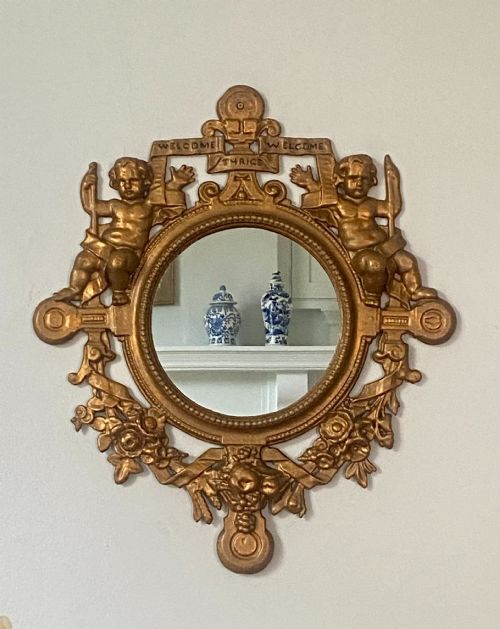
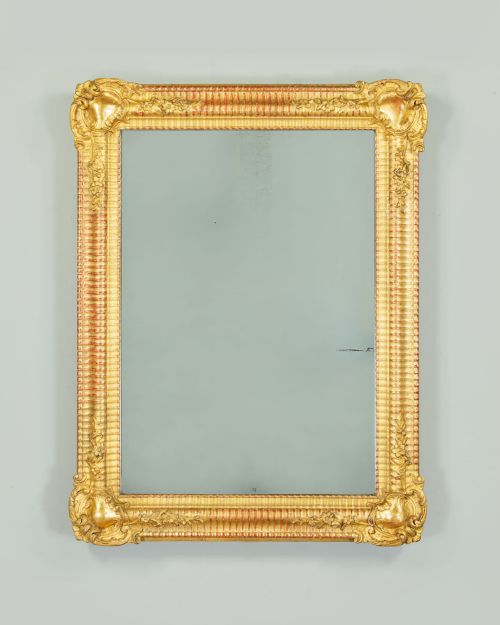
A victorian decor mirror spans multiple regional styles and domestic functions, ranging from large gilded overmantle pieces designed for principal reception rooms to smaller novelty hall items.
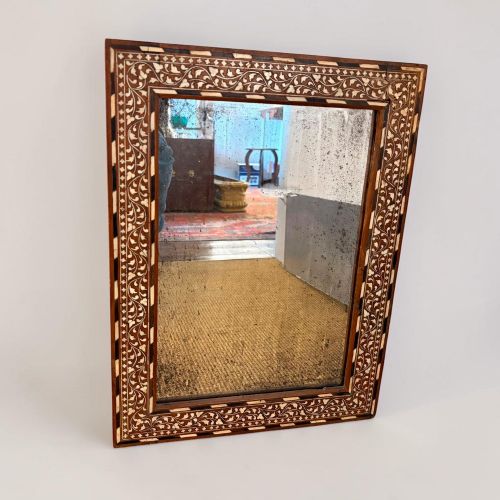
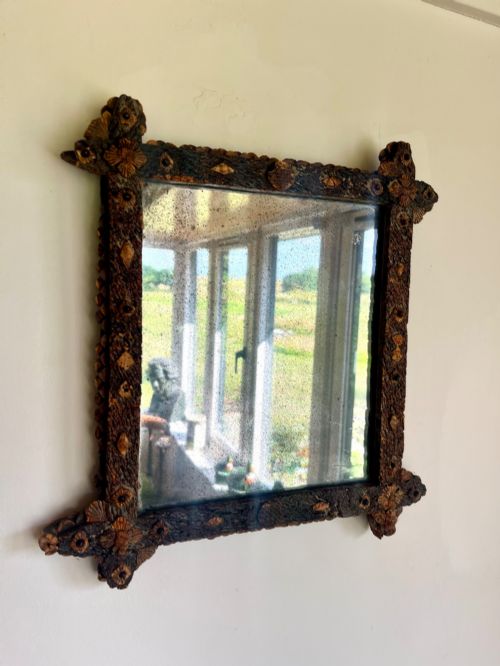
Buyers encounter diverse stylistic expressions within this category, including carved wood Black Forest bird of prey designs, intricate Anglo-Indian works, and folk art tramp art constructions.
Materials and construction methods
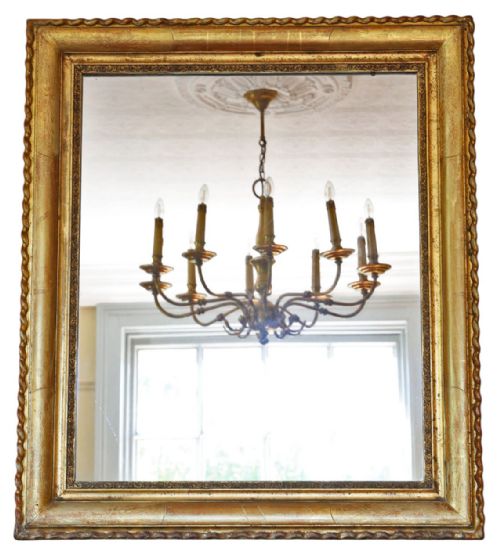
Makers utilised traditional timber frames shaped from oak and carved woods, often applying gesso and heavy layers of gold leaf to create ornate giltwood finishes for formal reception spaces.
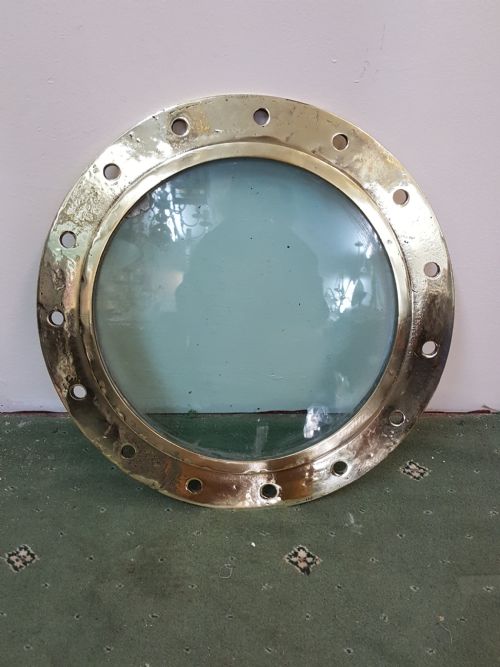
Folk art and novelty examples incorporate unconventional substances like cork and bone alongside metal hardware, while maritime iterations utilise heavy brass framing secured with riveted bolts.
Reflective surfaces include bevelled glass plates fitted securely into rebated wooden or metal rebates behind protective backboards.
Victorian Decor Mirror Retail Price Guide 2026
Typical asking prices for victorian decor mirror among the pieces listed under this phrase on Sellingantiques today, from the lower quarter to the upper quarter. They describe what is for sale here now, not the wider market.
A sturdy wooden horseshoe frame incorporates authentic equestrian ironmongery to greet guests by the front door.
Standards of craftsmanship
Quality rests upon the crispness of hand-carved detailing within wooden frames, particularly in complex figural motifs like bird of prey carvings or deep relief foliate moulding.
The integrity of the original gilded surface determines visual hierarchy, distinguishing pieces with untouched gesso and leaf from those with heavy later repaint or extensive loss.
Structural soundness in specialised forms like horseshoe hall stands or hinged port holes separates utilitarian production from finer decorative craftsmanship.
The Victorian Decor Mirror Glossary
- Giltwood
- Wood that has been coated with gold leaf or gold paint. This finish creates a brilliant reflective surface popular in formal nineteenth century frames.
- Gesso
- A plaster mix applied to wooden frames as a base before gilding. It allows craftsmen to mould intricate relief ornamentation.
- Tramp art
- A style of woodworking where small pieces of material, such as cork or scrap wood, are notched and layered together. This folk art technique yields heavily textured frames.
- Overmantle mirror
- A large horizontal mirror designed to hang directly above a fireplace mantelpiece. These pieces frequently dominate the wall space of period reception rooms.
- Bevelled glass
- Glass with edges cut and polished at an angle to create a framed border effect. This treatment adds depth and refracts light differently than flat plate glass.
Victorian Decor Mirror: Frequently Asked Questions
Where should I hang an overmantle mirror?
These large horizontal frames suit placement directly above a fireplace mantelpiece, anchoring the central wall of a principal reception room. Their considerable scale reflects surrounding light and expands the visual proportions of the space.
Alternatively, position them above low sideboards or console tables to create a strong focal point in a dining room or hallway.
How do I clean an antique giltwood frame?
Dust giltwood surfaces gently with a soft, dry brush to prevent dislodging delicate areas of gesso and gold leaf. Avoid liquid cleaners or chemical agents, which can strip the historic finish.
Handle carved projections with care and inspect the hanging wire periodically to ensure the heavy frame remains secure against the wall.
What is tramp art?
Tramp art is a utilitarian folk art movement where makers constructed decorative objects by notching, carving, and layering scraps of wood or cork. These pieces possess a highly textured, geometric appearance.
Mirrors created in this style offer a stark contrast to formal gilded overmantle pieces, representing individual domestic craft.
Are port hole mirrors waterproof?
While salvaged marine port holes originated as functional maritime hardware designed to seal against seawater, their conversion into mirrors involves fixed glass plates suited for interior display. They serve as nautical wall decor rather than operational marine fittings.
Mount them using appropriate heavy-duty fixings to support the substantial weight of the brass housing.