



Victorian Dark Oak Bookcase
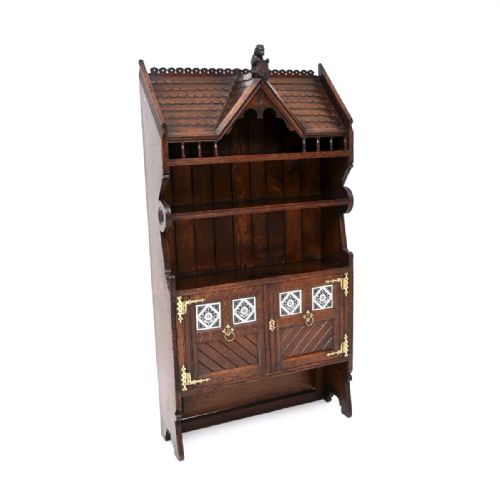
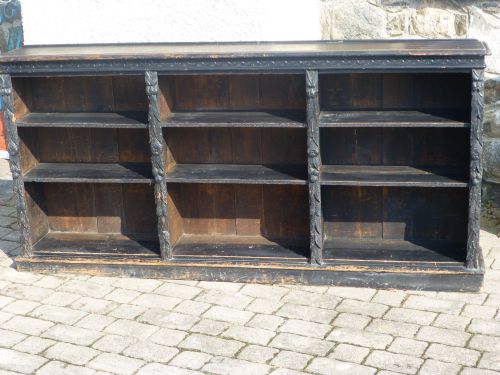
A victorian dark oak bookcase brings heavy timber and dense carving into a room, offering sturdy architecture to hold a serious library.
Victorian Dark Oak Bookcase
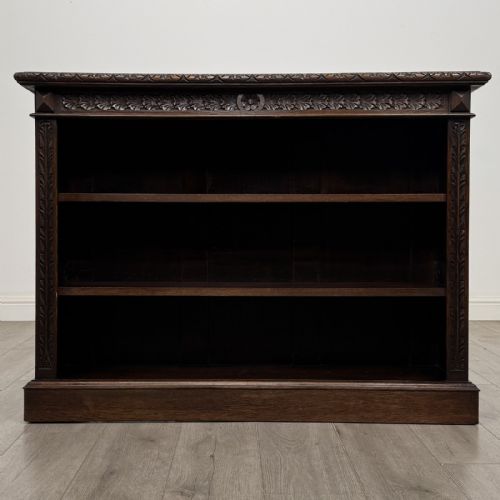
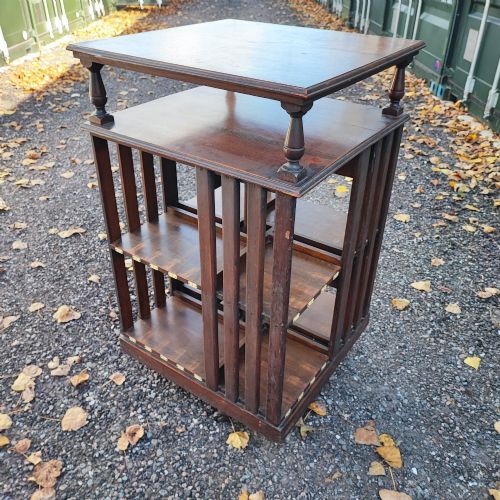
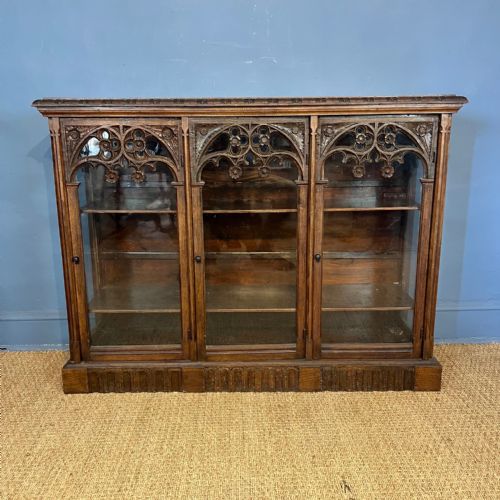
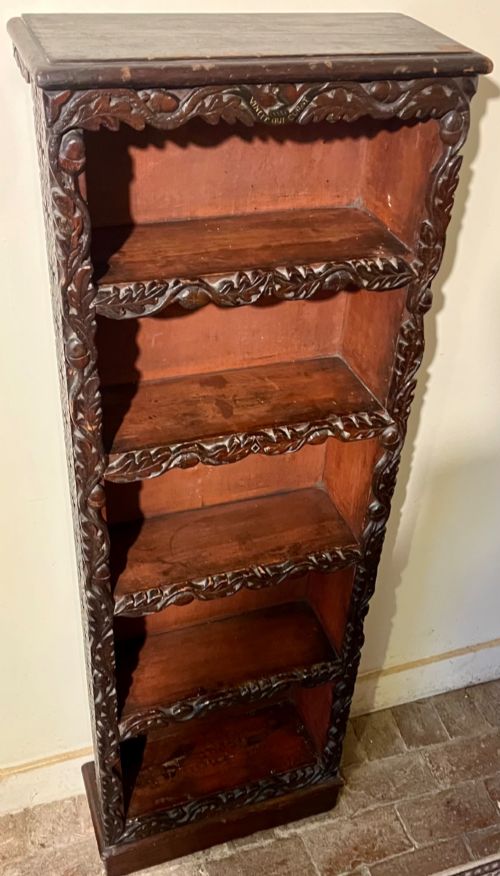
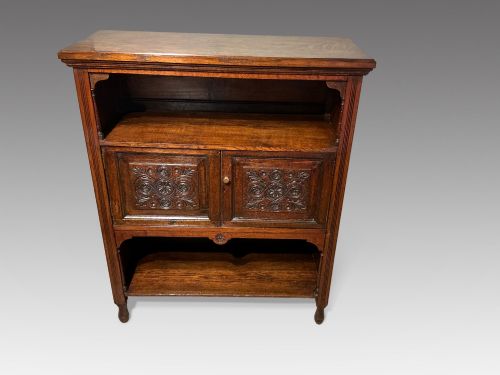
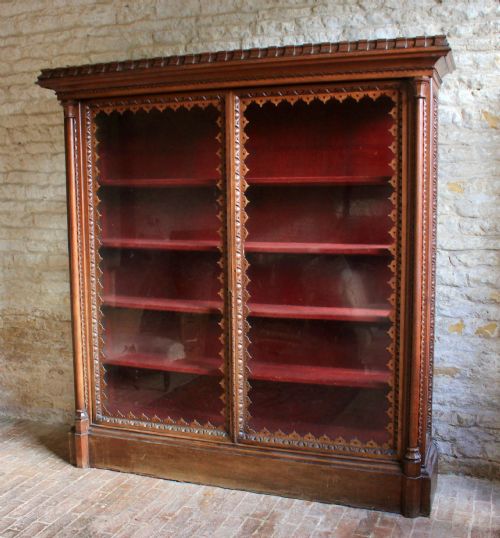
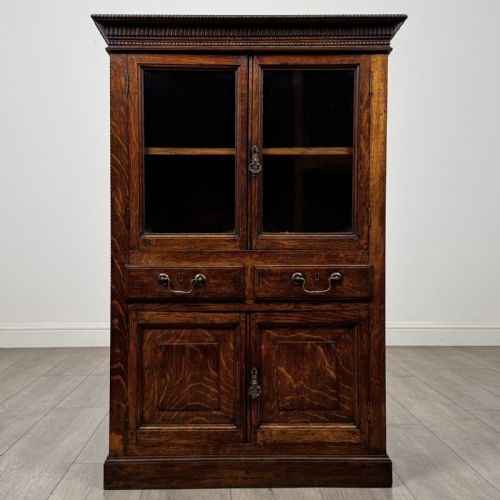
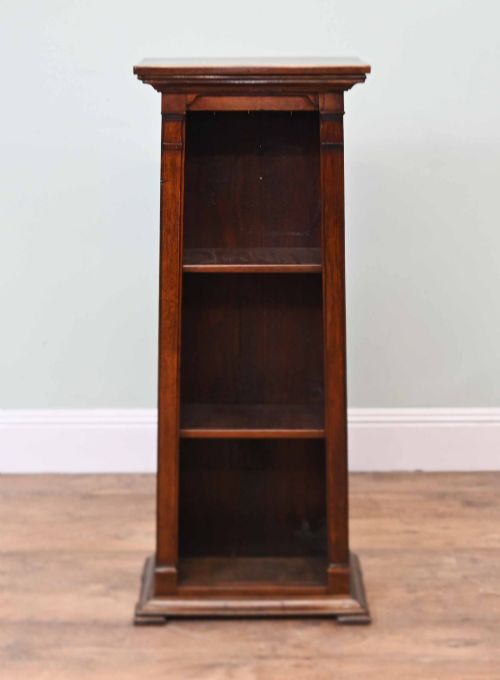
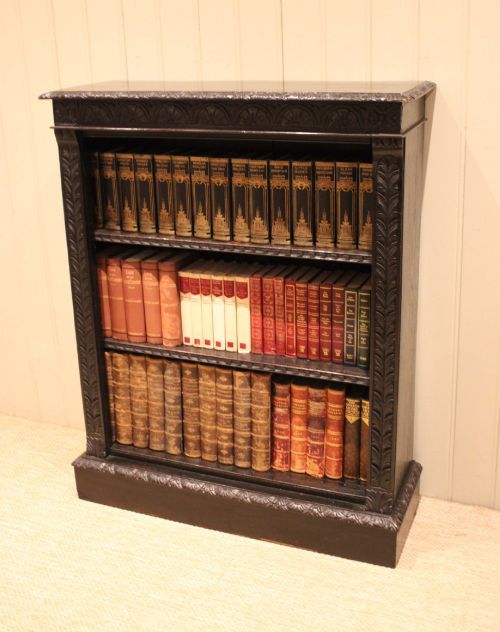
A search for a victorian dark oak bookcase reveals pieces built primarily during the nineteenth century, ranging from low open shelves to monumental library cabinets. The listings feature tall narrow open bookcases, revolving versions with reading stands, and glazed display cabinets alongside secretaire forms.
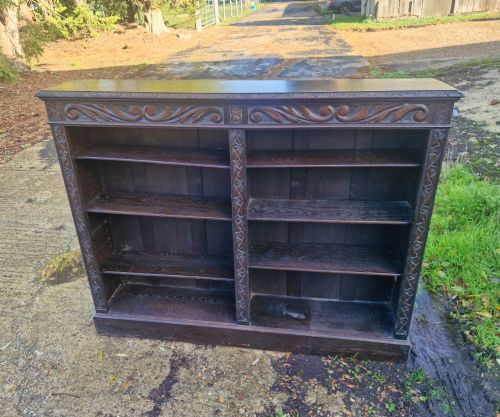
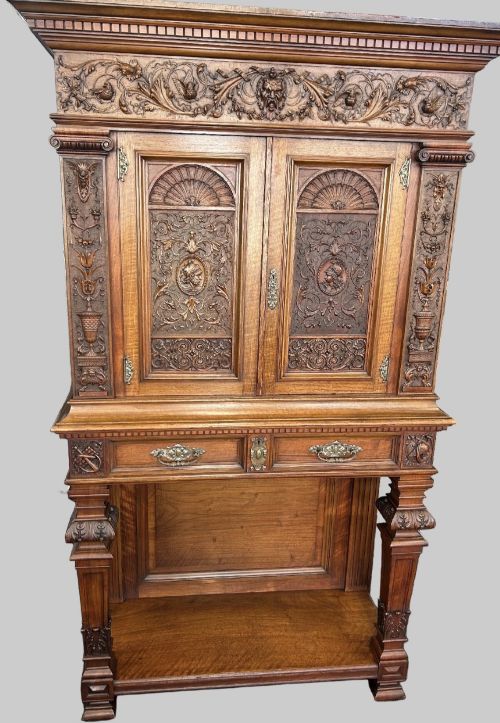
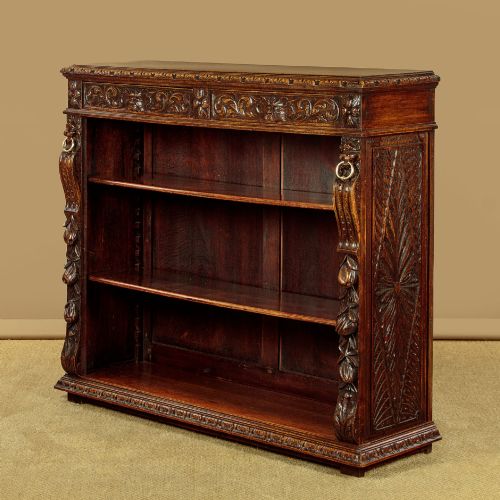
Most examples lean into revival aesthetics, showing Gothic, Jacobean, and Renaissance influences through deep mouldings, dentil cornices, and carved details. Pieces appear in various formats including breakfront designs, cupboards with carved scenes, and dwarf bookcases fitted with adjustable shelving.
Materials and Construction
Makers utilised solid oak, often darkened or pollard, combined with secondary woods like pine for internal carcases and backing boards. Brass hardware, iron fittings, leather accents, and occasional ceramic details appear on handles, hinges, and drop-front writing surfaces.
Joinery relies on heavy timber construction, featuring adjustable shelf mechanisms, carved panels, and glazed doors set within substantial frames. Carving is executed deeply into the dark wood, displaying intricate figural work such as green man motifs alongside geometric strapwork.
Victorian Dark Oak Bookcase Retail Price Guide 2026
Typical asking prices for victorian dark oak bookcase among the pieces listed under this phrase on Sellingantiques today, from the lower quarter to the upper quarter. They describe what is for sale here now, not the wider market.
Recorded styles range from Gothic and Jacobean Revival to the Aesthetic Movement, incorporating revolving stands and secretaire drawers.
Standards of Execution
Quality rests upon the depth and sharpness of the timber carving, distinguishing flat, mechanical decoration from spirited, deeply undercut sculptural work. The choice of timber grain, particularly figured pollard oak or dense straight-grained oak, marks the difference between standard utility pieces and high-end library furniture.
Engineering details separate basic shelving from superior pieces, seen in the smooth operation of revolving mechanisms, the integrity of adjustable brass shelf racks, and the weight of solid oak backboards rather than thin plywood.
John Moyr Smith·Gillows
The Victorian Dark Oak Bookcase Glossary
- Breakfront
- A piece of furniture whose central section projects forward from the flanking wings. This architectural arrangement creates depth and formal presence in large library cabinets.
- Green Man
- A sculptural motif showing a human face emerging from or entwined with foliage and vines. It appears frequently on revival furniture of this period.
- Secretaire
- A cabinet incorporating a pull-out or drop-down writing drawer fitted with small compartments and pigeonholes. It combines desk functionality with bookshelf storage.
- Dentil
- A series of small, rectangular blocks spaced evenly along a cornice moulding. This classical detail provides a formal architectural finish to the top of a cabinet.
- Pollard Oak
- Timber taken from trees that have been pollarded, producing wood with a dense, highly figured and swirling grain pattern. Cabinet makers used it to create decorative veneer or striking solid surfaces.
Victorian Dark Oak Bookcase: Frequently Asked Questions
How do I adjust the shelves?
Many nineteenth-century library pieces use a system of vertical metal tracks and movable brass clips to support the timber boards.
You simply lift each shelf, reposition the clips into the desired slots, and lower the board back into a level position.
Are these bookcases suitable for heavy books?
Solid oak construction and adjustable timber shelves provide the structural strength required to support large volumes and heavy reference books.
Open library formats and reinforced uprights are specifically engineered to bear substantial weight without sagging over time.
How do I distinguish Gothic Revival from Renaissance Revival?
Gothic Revival pieces display pointed arches, trefoils, and ecclesiastical tracery reminiscent of medieval stone architecture.
Renaissance Revival versions favour heavy classical columns, strapwork cartouches, and sculptural figural carvings inspired by sixteenth-century continental design.
Do revolving bookcases need special care?
Revolving models rely on an internal iron or brass swivel mechanism beneath the central column to turn smoothly.
Keep the bearing mechanism clean and lightly lubricated so the weight of the books does not strain the central pivot during rotation.