

Victorian Dark Bronze Statue
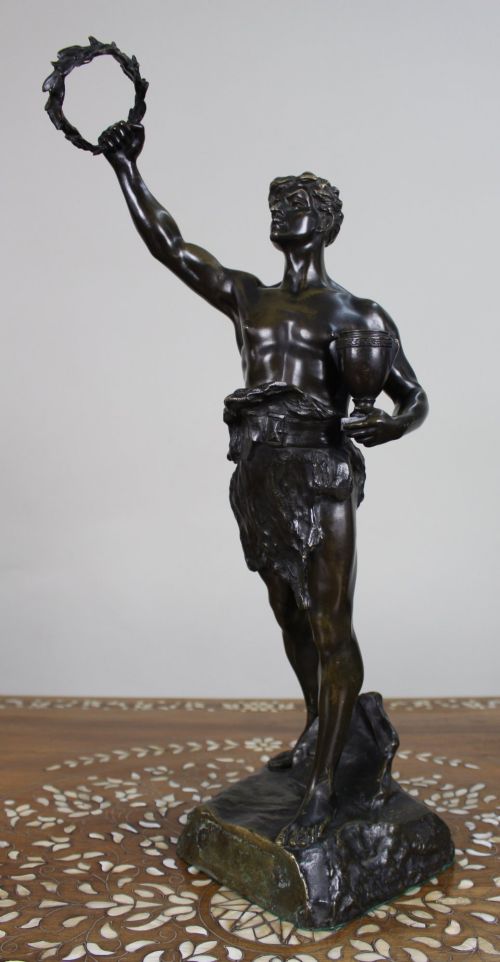
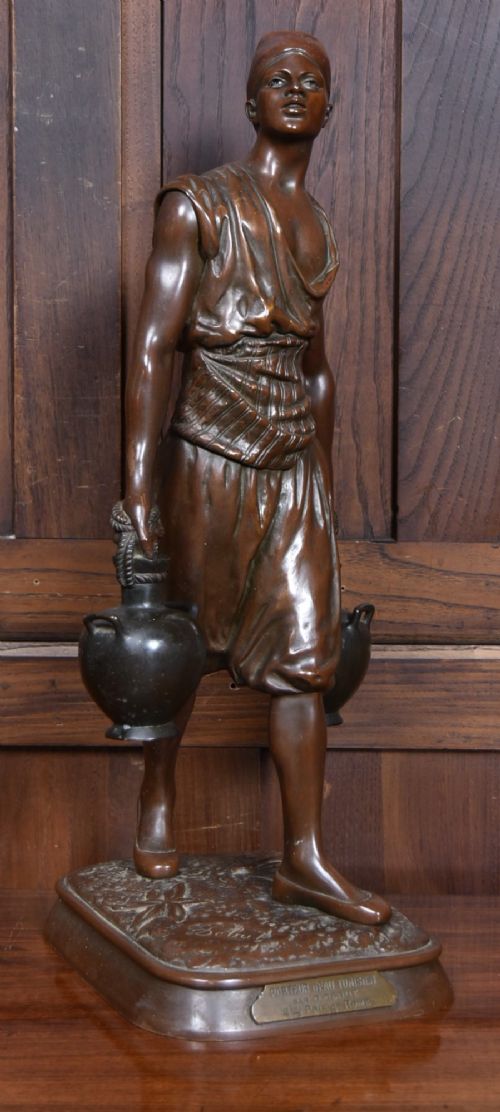
A victorian dark bronze statue brings nineteenth-century foundry work into a room, capturing classical figures, animals and mythological subjects with rich patination.
Victorian Dark Bronze Statue
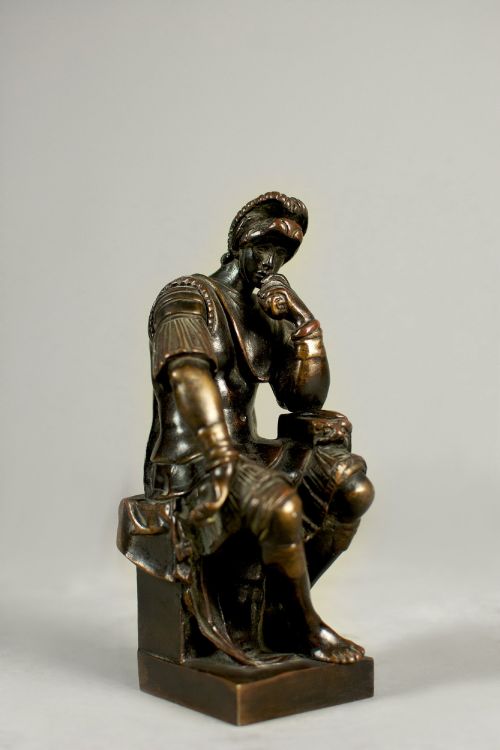
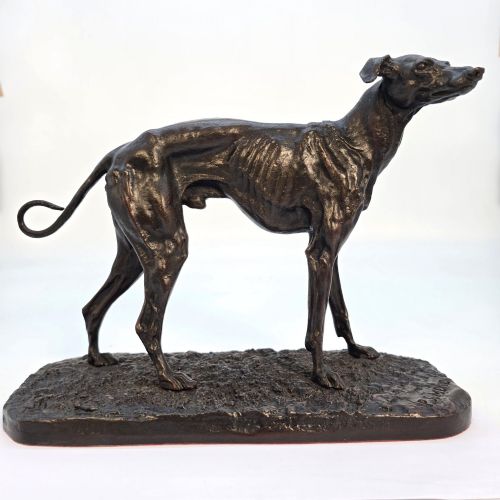
A victorian dark bronze statue encompasses nineteenth-century European casting, frequently originating from French and English foundries during the 1860s to 1900s. These pieces include animalier studies, classical deities, literary subjects and Grand Tour souvenirs.
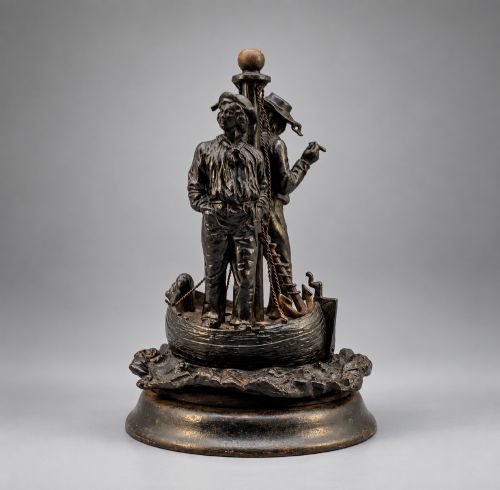
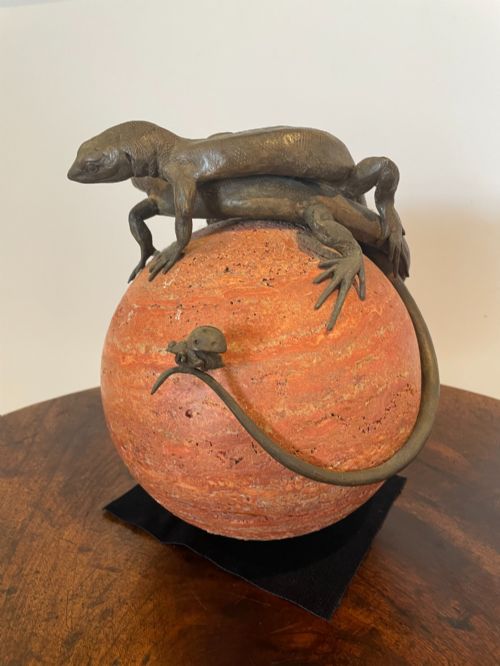
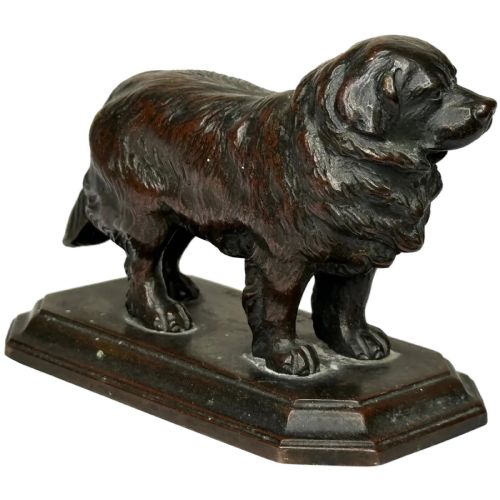
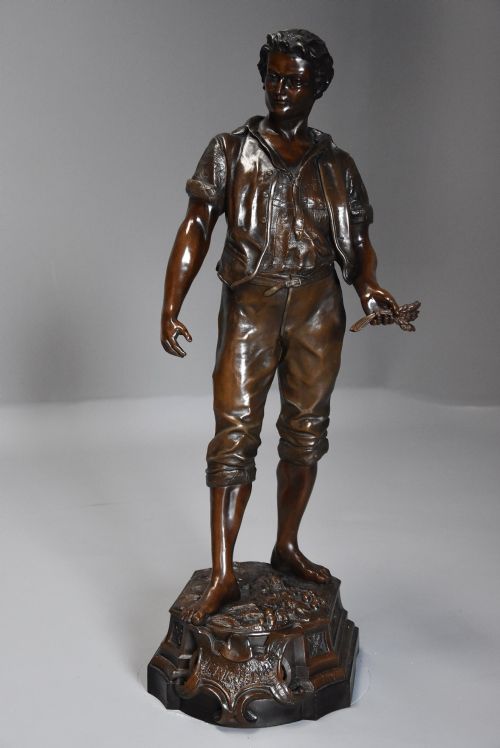
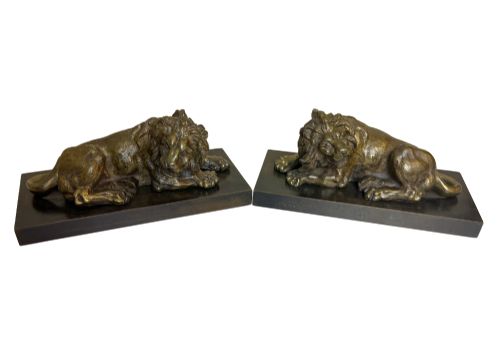
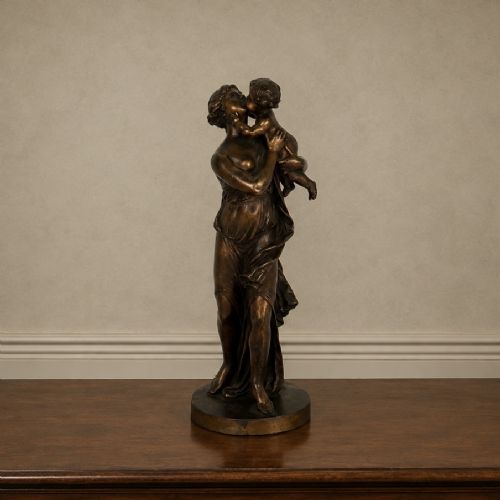
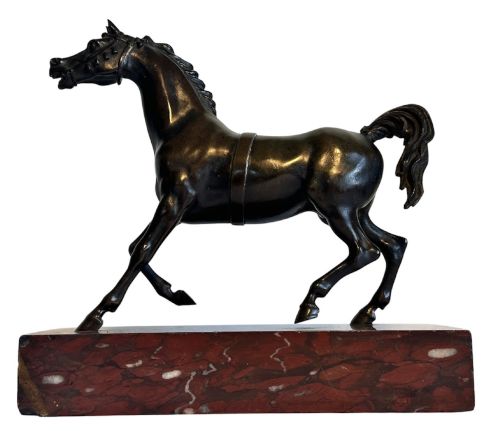
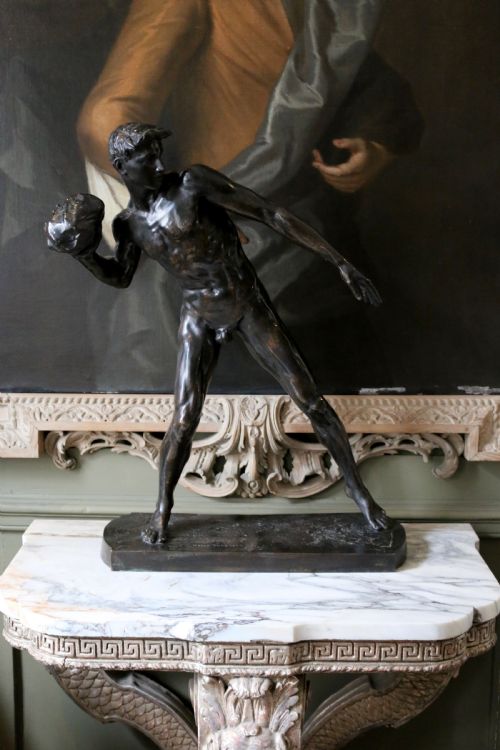
The buyer meets figures mounted on marble bases, candelabra components, and cabinet bronzes depicting hounds, lions, human labourers and mythological characters. Animalier subjects dominate the selection, recording canine anatomy and wildlife with observation.
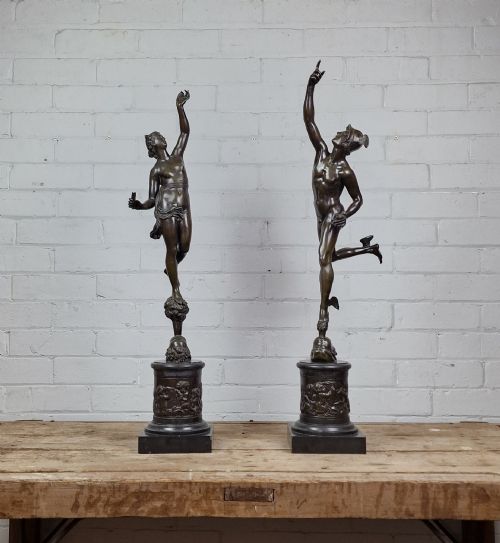
Grand Tour pieces reflect classical antiquities seen by travellers in Italy, cast in patinated bronze to emulate excavated artefacts. Meanwhile, domestic subjects range from medieval busts to theatrical caricatures and putti.
Materials and Casting
Foundries utilised the lost-wax method or sand-casting techniques to produce these statues, using bronze alloys alongside alternative metals such as spelter and brass. Spelter figures received dark patination or bronze paint to imitate solid metal castings.
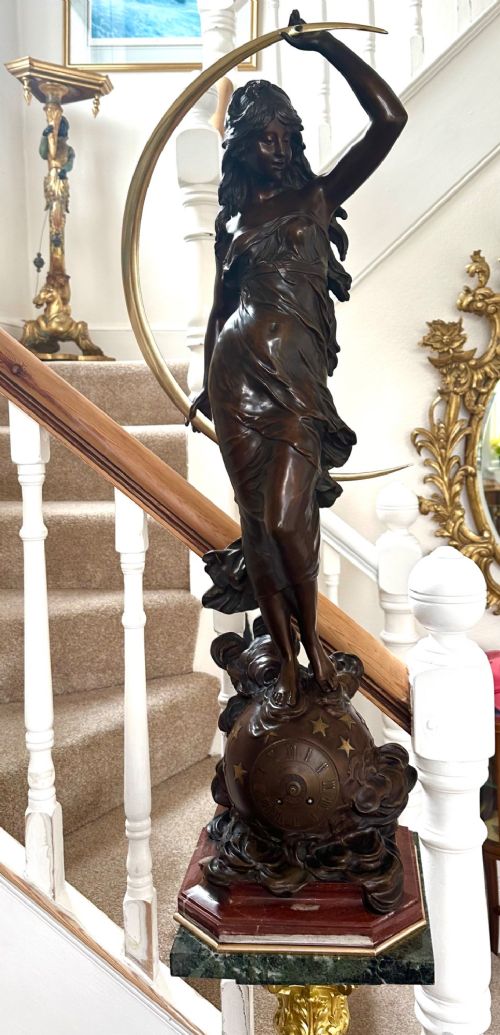
Patination played a central role in finishing, achieved through chemical applications that produced dark brown, green or near-black surfaces on the metal. Many figures also incorporated marble pedestals or bases to elevate the sculpture.
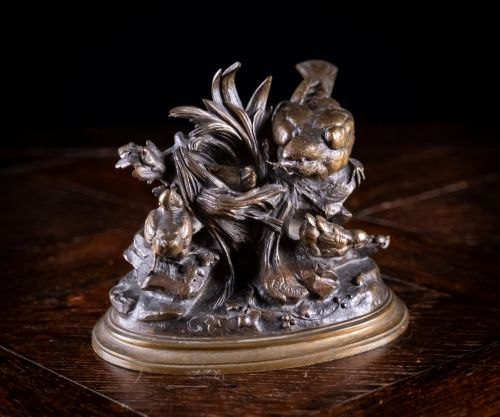
Among the menagerie of hounds, lions and stags sit theatrical birds caught mid-performance and a mischievous winged putto playing with a spaniel dog.
Casting Detail and Finish
Quality rests in the crispness of the chase-work, where the metalworker cleaned up the raw casting with chisels and files to define feathers, fur, musculature and facial expressions. Superior pieces retain sharp underlying detail without softened edges.
The depth and uniformity of the dark patination distinguish finer examples from plain metal treatments or degraded surfaces. Heavier metal gauge and secure mounting to marble bases likewise separate superior foundry output from lighter decorative ornaments.
Lemoyne·August Moreau·Hamo Thornycroft·Alfred Dubucand·PJ Mene·John Willis Good·Prosper Lecourtier·Emile Jespers·Jules Moigniez·Alfred Grevin
The Victorian Dark Bronze Statue Glossary
- Animalier
- A nineteenth-century artistic movement focused on the realistic depiction of animals, particularly dogs, horses and wild beasts. Sculptors in this genre studied live subjects in menageries.
- Patination
- The chemical or natural coloration of the metal surface resulting from age and deliberate treatment. Dark patination provides the rich brown or black tone characteristic of these pieces.
- Grand Tour
- A traditional trip through Europe undertaken by upper-class students and collectors in the eighteenth and nineteenth centuries. Tourists acquired small bronzes of classical statues as souvenirs.
- Spelter
- A zinc alloy utilised as an economical alternative to bronze during the nineteenth century. It accepts metallic paints and patination to resemble bronze castings.
- Chasing
- The manual finishing process where a metalworker refines the raw casting using small punches and chisels. This step restores lost detail and removes casting seams.
Victorian Dark Bronze Statue: Frequently Asked Questions
How do I clean a dark bronze statue?
Dust the surface gently with a soft, dry artist's brush to prevent particle buildup in the crevices.
Avoid using water, household cleaners or metal polishes, as these treatments strip away the historic dark patination.
Is spelter the same as bronze?
Spelter is a zinc-based alloy that is lighter, softer and more brittle than traditional copper and tin bronze. Founders used it as an affordable substitute for bronze during the Victorian period.
Under close inspection, spelter feels lighter in the hand and often shows a dull grey metal beneath worn areas of dark finish.
What is a Grand Tour bronze?
A Grand Tour bronze is a small replica of a classical sculpture, purchased by travellers visiting Italy and Greece during the nineteenth century. These pieces served as scholarly souvenirs for home display.
Subjects typically replicate famous antiquities or Renaissance monuments found in public squares and museums abroad.
Why are some animal statues called animalier?
Animalier describes nineteenth-century sculpture dedicated specifically to realistic portrayals of animals in natural poses. The term distinguishes these naturalistic studies from traditional human portraits and allegorical figures.
Artists in this movement spent hours observing anatomy in natural history museums and zoological gardens.