



Victorian Cut Glass Vase
A victorian cut glass vase brings weight, brilliance and sharp wheel-cut facets to a table or mantelpiece.
Victorian Cut Glass Vase
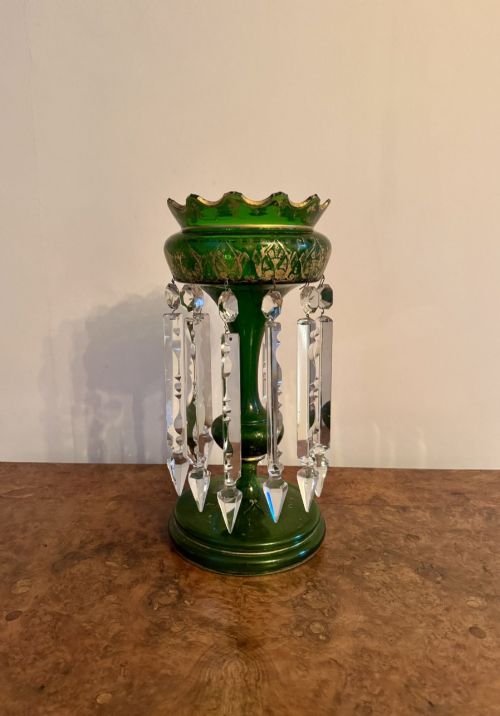
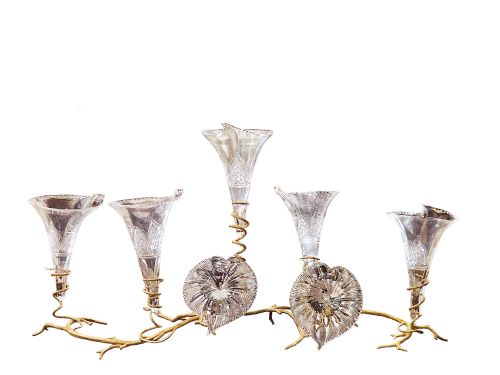
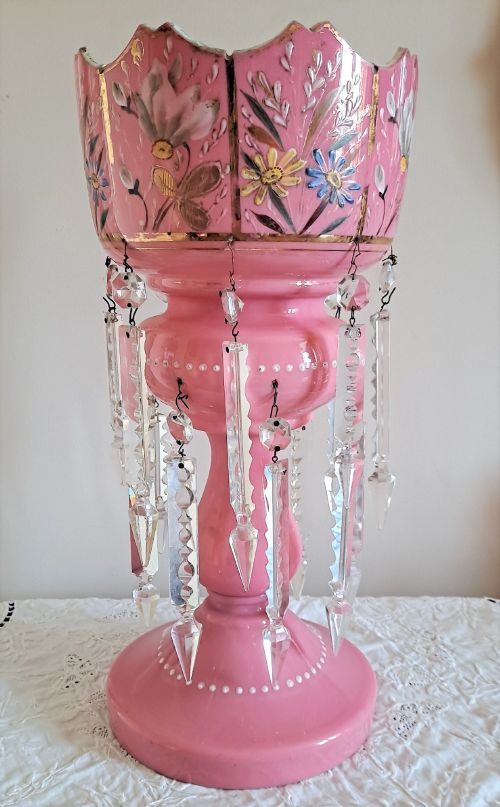
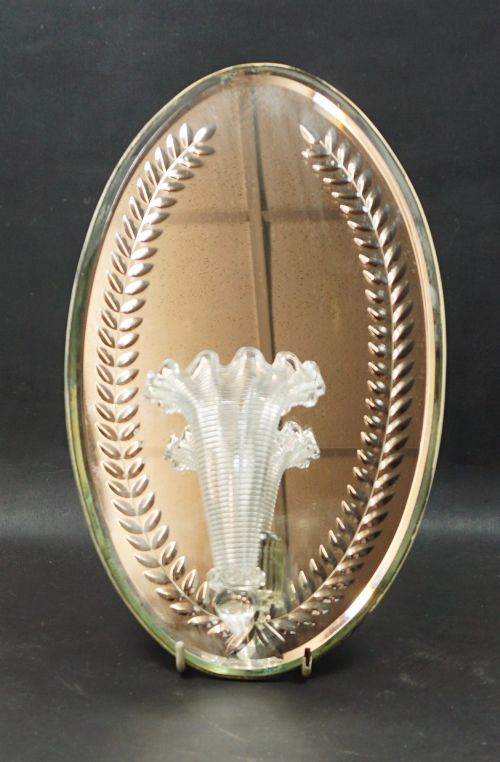
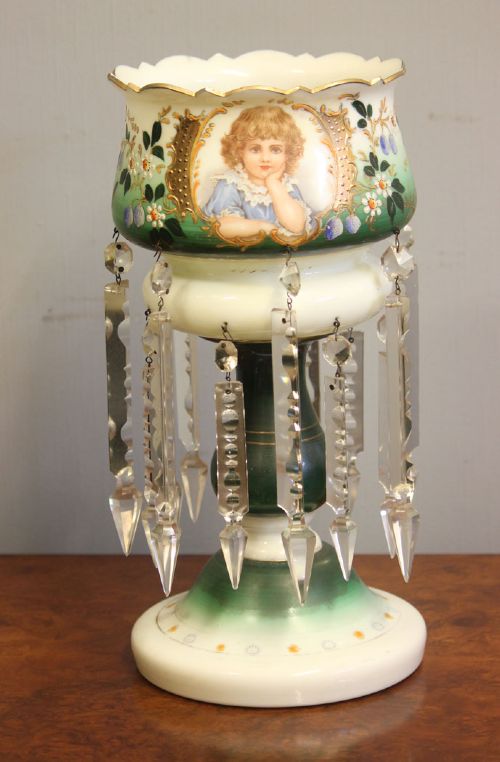
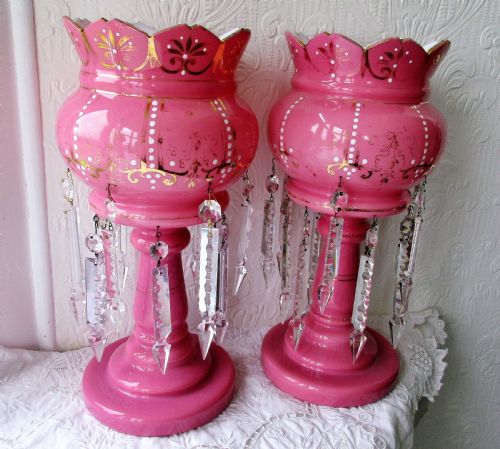
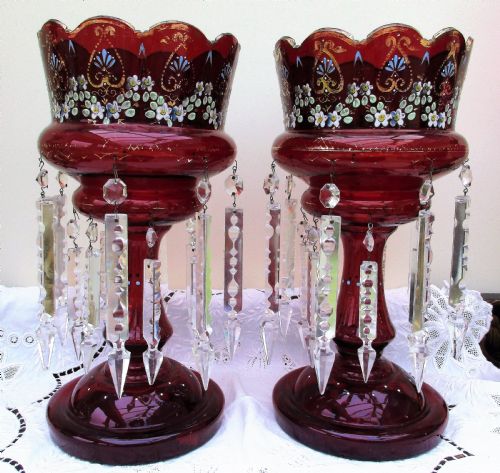
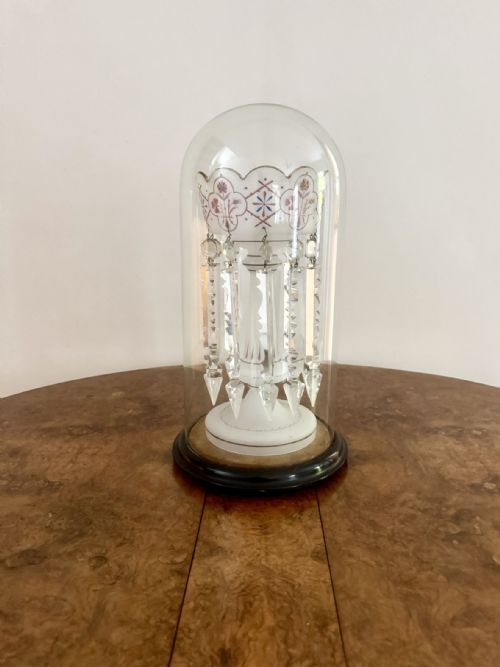
When searching for a victorian cut glass vase, buyers encounter heavy lead crystal vessels shaped for flowers, celery or display, alongside related forms such as lustres and centrepieces. The most common examples on this page date from the nineteenth century, spanning clear cut crystal to coloured flash and overlay glass.
Forms vary from tall celery vases and lidded urns to bud vases and table centrepieces. Pieces emerge from English and Bohemian workshops, often displaying deep geometric cutting or delicate wheel engraving.
Many of these vessels serve decorative purposes or hold blooms upon dining tables and mantelpieces. Their substantial weight and reflective surfaces define the aesthetic of the period.
Judging Quality
Quality rests upon the crispness of the wheel-cutting and the depth of the facets. Sharp, clean edges catch the light intensely, whereas softer, rounded cuts indicate hurried production.
The weight and clarity of the metal itself separate superior examples from standard work. Exceptional pieces display flawless overlay work where coloured glass is precisely cut away to reveal clear crystal beneath.
Victorian Cut Glass Vase Retail Price Guide 2026
Typical asking prices for victorian cut glass vase among the pieces listed under this phrase on Sellingantiques today, from the lower quarter to the upper quarter. They describe what is for sale here now, not the wider market.
Victorian dining tables once featured tall celery vases specifically to show off crisp green stalks like expensive flowers.
Hukin and Heath
The Victorian Cut Glass Vase Glossary
- Cut glass
- Glass decorated by holding the vessel against a rotating abrasive wheel to carve deep facets and patterns. This technique creates sharp edges and brilliant light reflection.
- Lead crystal
- Heavy glass containing lead oxide, which increases brilliance, density and softness for cutting. It forms the foundation of most quality Victorian vessels.
- Overlay glass
- A technique where a layer of coloured glass is fused over a clear or contrasting body and partially cut away. This exposes the underlayer in bold geometric or floral designs.
- Celery vase
- A tall footed vessel designed to hold stalks of celery upright on the Victorian dining table. These pieces often feature substantial cut glass bodies.
- Lustre
- A decorative mantel vase hung with long glass prisms that catch and refract candlelight. Pairs of these objects typically flanked Victorian clocks.
Victorian Cut Glass Vase: Frequently Asked Questions
What is a celery vase?
A celery vase is a tall, footed vessel created to display stalks of celery upright at the centre of a Victorian dinner table. Celery held high status during the period.
These pieces feature deep cut glass bowls supported by sturdy stems and footed bases. Their substantial weight prevented tipping during grand meals.
What is flash glass?
Flash glass consists of a thin outer layer of coloured glass fused over a thick colourless body. Artisans cut through the coloured layer to expose the clear glass underneath.
This method produced high-contrast decorative patterns on Victorian vases and lustres. The depth of the cut determines how much underlying light escapes.
How can I date these pieces?
Dating relies on stylistic clues, pontil marks on the base and the depth of the glass cutting. Heavier lead crystal and specific overlay colours often point to mid or late nineteenth-century production.
Silver mounts carrying hallmarks provide exact year markers when present. General stylistic shifts from Neoclassical to aesthetic movement designs also help narrow the decade.