



Victorian Crystal Stopper
A victorian crystal stopper secures the contents of a period decanter while adding the finishing touch of period cut glass craftsmanship.
Victorian Crystal Stopper
When you search for a victorian crystal stopper, you encounter glass closures designed for decanters, scent bottles, and wine jugs originating primarily from the Victorian era alongside related nineteenth century styles. These items range from simple clear glass stoppers to heavily cut crystal variants that complete the silhouette of barware and dressing table items.
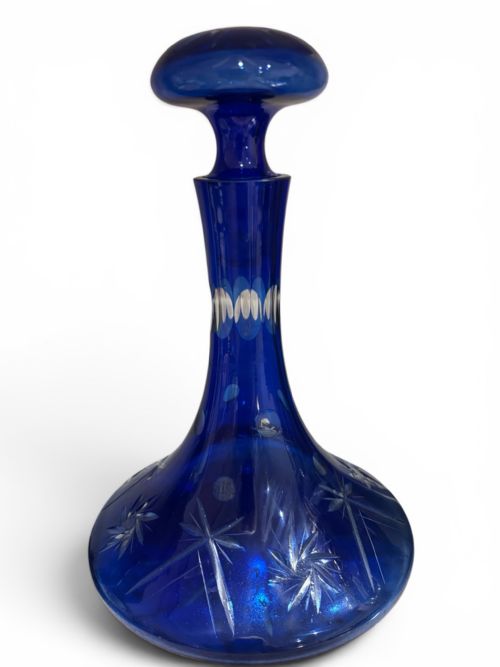
The pieces most frequently met on this page include matching pairs and single stoppers belonging to shaft and globe decanters, spirit decanters, and occasional perfume bottles. They appear in clear glass, lead crystal, and coloured overlays such as ruby and cobalt.
Originating across England and Bohemia, these components reflect the dominant manufacturing centres of the period. Collectors and decorators acquire them to replace missing originals or to complete period glassware.
Materials and glass cutting techniques
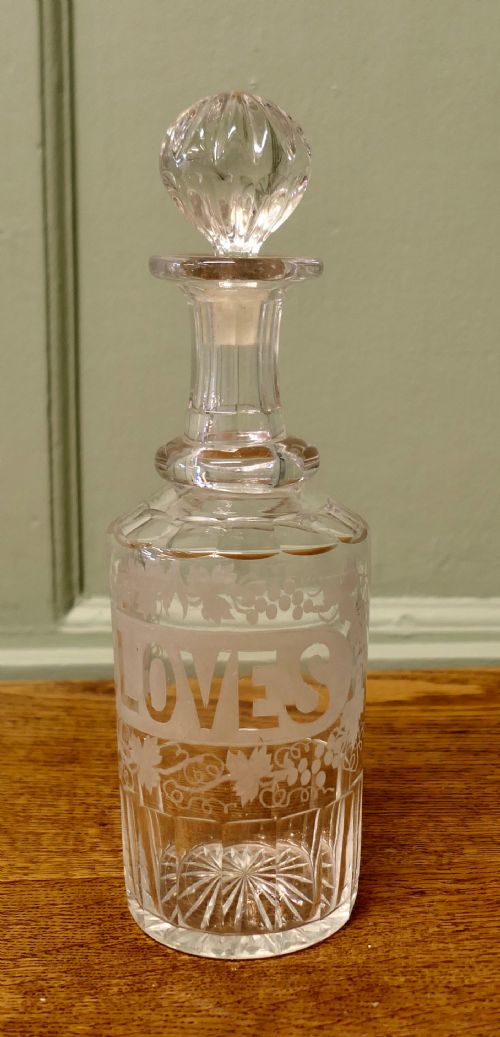
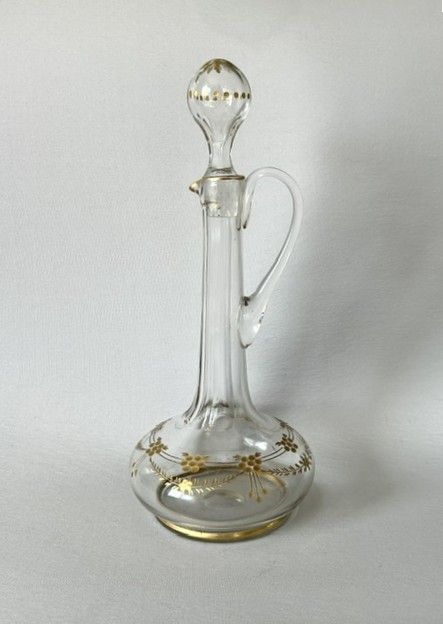
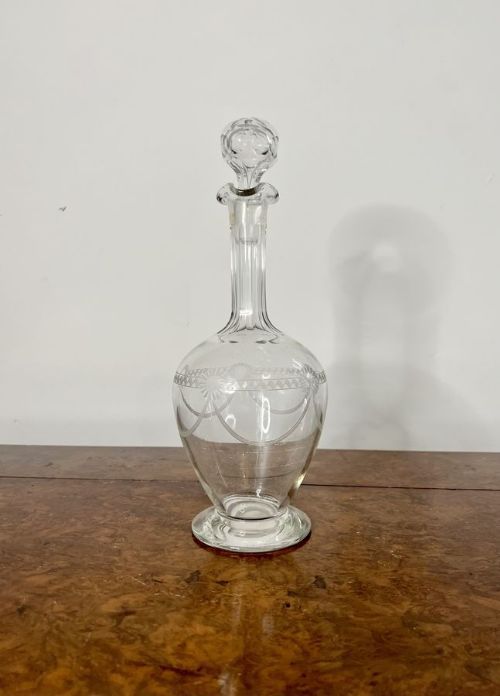
Makers utilised lead crystal and clear glass as the primary materials, shaping them through blowing and pressing before finishing them by hand. The application of deep wheel-cutting created geometric facets that caught the light, while alternative methods involved delicate surface etching and gilding.
Certain examples incorporate metal elements, featuring sterling silver collars, silver plating, or specialised locking mechanisms mounted to the glass neck. Coloured glass versions utilised ruby and cobalt overlays that workers cut through to reveal the clear glass beneath.
The listings feature glass items spanning from the early Victorian period through the Edwardian era, incorporating both English and Bohemian origins.
Gradations in execution and weight
Quality in these items is determined by the crispness of the glass cutting and the weight of the crystal. Superior examples display sharp, well-defined facets and a resonant ring when struck, whereas lesser pieces show softer edges and simpler moulding.
The harmony between the stopper and the vessel body also distinguishes the range. High-grade items exhibit hand-finished ground glass fitments tailored specifically to individual decanter necks rather than mass-produced generic replacements.
Hukin & Heath·Betjemann Brothers
The Victorian Crystal Stopper Glossary
- Cut glass
- Glass decorated by grinding facets and patterns into the surface using a rotating wheel. This technique creates the sparkle typical of nineteenth-century tablewares.
- Lead crystal
- Glass containing a proportion of lead oxide, which increases weight, clarity, and the refractive index. It provides the heavy feel expected in period decanters.
- Overlay
- A manufacturing method where a layer of coloured glass is fused over a clear glass body. Artisans then cut away portions of the outer layer to expose the contrasting colour underneath.
- Shaft and globe
- A specific decanter profile featuring a long slender neck rising above a rounded globular body. Stoppers for these vessels typically repeat the geometric or panel-cut motifs of the body.
Victorian Crystal Stopper: Frequently Asked Questions
How do I know if a stopper is period?
Period stoppers typically display hand-ground lower fitments with slight irregularities characteristic of nineteenth-century production methods. They show wear marks consistent with age on the lower grinding surface.
Examining the weight and clarity of the crystal alongside the cutting style helps distinguish Victorian examples from modern reproductions.
Can I use these stoppers in modern decanters?
These items were manufactured by hand for specific nineteenth-century vessels and seldom fit modern machine-made glassware accurately. The ground glass sections require matching dimensions to seat correctly.
Collectors generally source them to complete antique decanters rather than for contemporary utility.
What styles of cutting are common?
The listings show panel cutting, geometric cross-hatching, and delicate botanical etching. Bohemian pieces often incorporate coloured glass overlays.
These decorative choices match the prevailing design trends of the Victorian and Edwardian eras.
How were silver mounts attached?
Silver collars and mounts were secured directly to the glass neck using specialised adhesives or mechanical tension. Some incorporated locking mechanisms by makers such as Betjemann Brothers.
Sterling silver and silver-plated elements provide both decorative contrast and structural reinforcement.