




Victorian Crystal Lustres
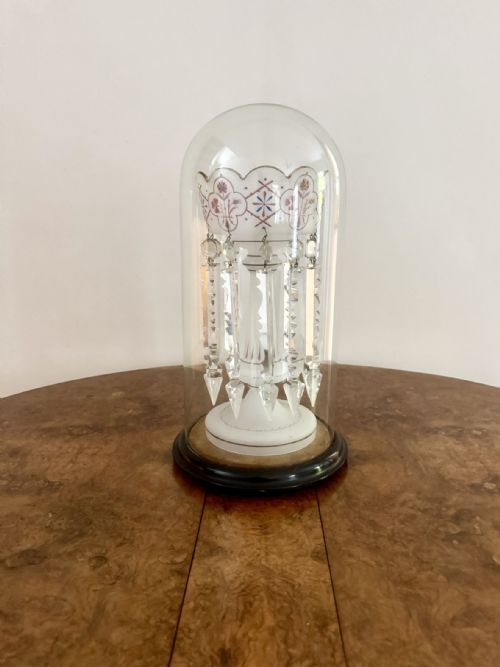
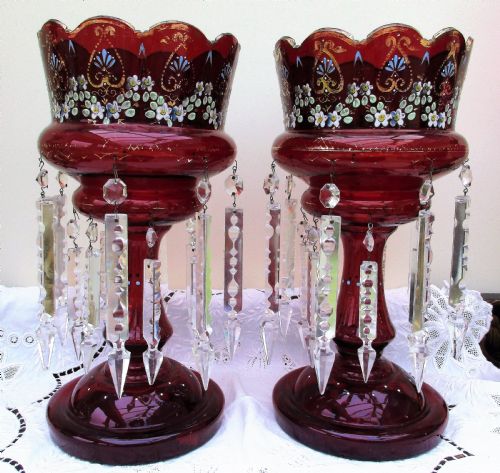
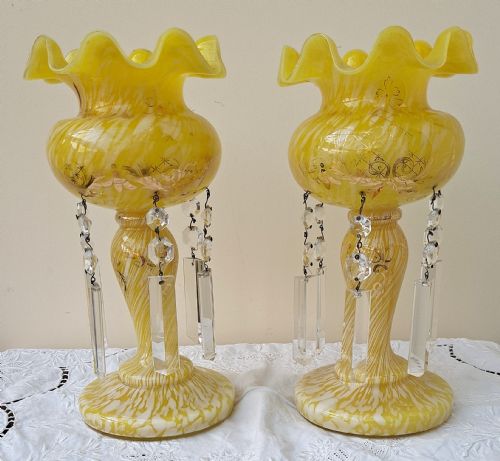
Victorian crystal lustres are ornate mantel ornaments set with hanging prisms that catch the candlelight.
Victorian Crystal Lustres
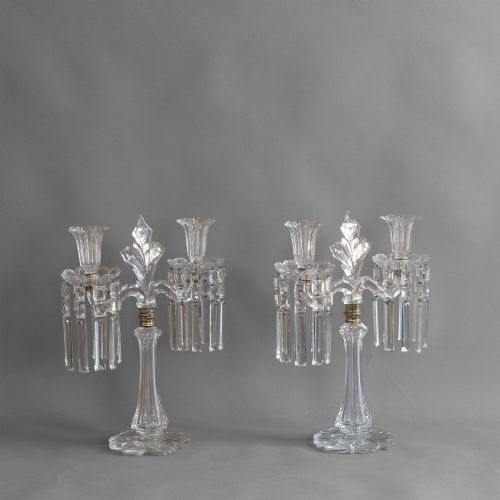
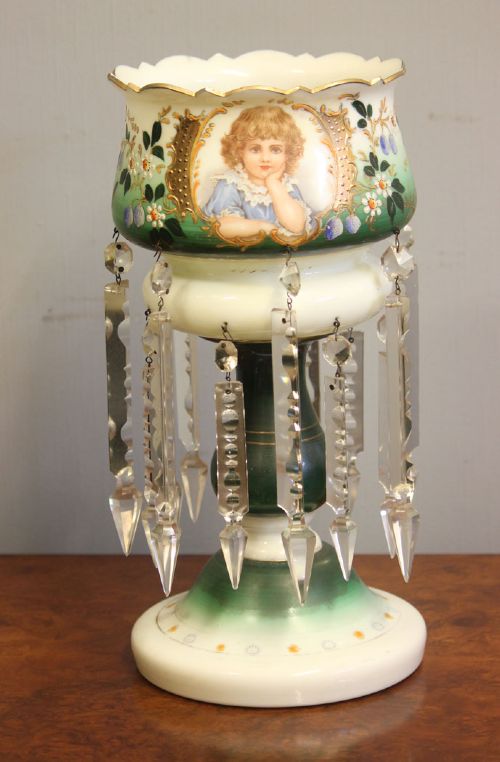
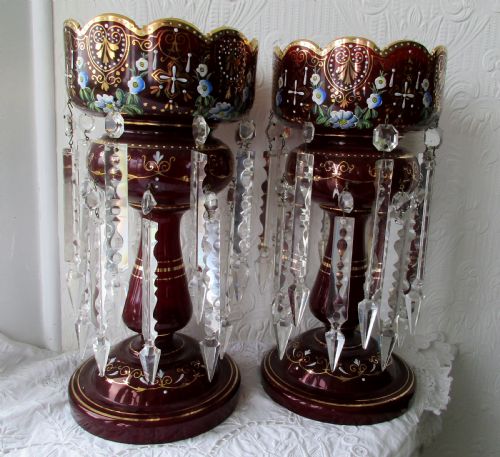
When you search for victorian crystal lustres, you encounter decorative mantel ornaments designed to reflect light in candlelit rooms. The most common form on this page is the pair of table or mantel lustres, usually fitted with long hanging glass prisms.
These pieces primarily date from the nineteenth century, spanning periods from William IV through late Victorian times. Alongside standard mantel lustres, the selections include related candle-bearing forms such as candelabras and single stick variations.
How they were made
Maker's workshops combined blown or pressed glass with hand-cut facets to create the bodies and hanging drops. Overlay and flash glass techniques layered contrasting colours, which artisans then cut through to reveal the clear glass beneath.
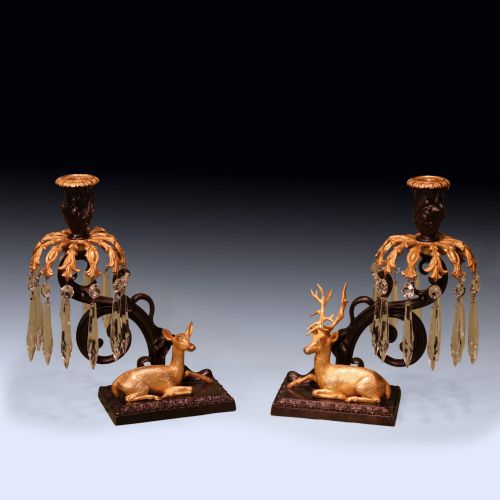
Metal components such as brass, gilt bronze, and ormolu formed the structural bases and candle sockets. Prisms were suspended from the main rims using wire loops or metal pins threaded through drilled holes in the glass.
Victorian Crystal Lustres Retail Price Guide 2026
Typical asking prices for victorian crystal lustres among the pieces listed under this phrase on Sellingantiques today, from the lower quarter to the upper quarter. They describe what is for sale here now, not the wider market.
The selection spans William IV, Regency, and late Victorian aesthetic periods.
What varies in quality
The precision of the glass cutting and the clarity of the crystal distinguish finer examples from simpler work. Sharp, crisp facets on the prisms and deep, even colour saturation in the ruby or green glass indicate superior production standards.
The weight and detail of the metal mounts, whether gilt bronze, brass or ormolu, signal the tier of the piece. Matching sets with their original complement of undamaged crystal drops command greater regard than pairs missing their primary pendants.
Clarkes
The Victorian Crystal Lustres Glossary
- Lustre
- A decorative candlestick or vase fitted with hanging glass prisms designed to refract light. They sat prominently on drawing room mantelpieces during the nineteenth century.
- Prism
- A cut glass pendant suspended from the rim of a lustre to catch and scatter light. These drops take spear, spear-point, or button shapes.
- Overlay glass
- A technique where a layer of coloured glass is fused over a clear or contrasting body. Artisans cut away portions of the outer layer to create patterned windows.
- Ormolu
- Gilded brass or bronze used for decorative mounts and figures. This metallic finish provided a bright, gold-coloured accent to glass bodies.
- Cranberry glass
- A rich pinkish-red glass coloured with gold chloride during melting. It appears frequently in Victorian table ornaments.
Victorian Crystal Lustres: Frequently Asked Questions
What are victorian crystal lustres?
Victorian crystal lustres are decorative mantel garnitures that combine a candle holder with hanging glass prisms. They were made to sit on drawing room fireplaces and sideboards.
When candles were lit, the glass drops caught and multiplied the flickering light. They functioned as ornamental centrepieces rather than primary sources of illumination.
How do you clean them?
Cleaning requires removing the hanging crystal drops and washing them individually in warm soapy water. A soft cloth prevents scratching the glass surface or rubbing away gilt highlights.
Metal bases and brass components need dry dusting or gentle wiping to preserve their aged finishes. Harsh chemical cleaners can damage both the glass colours and the ormolu surfaces.
Were they used for lighting?
They held candles in their central sockets, but their primary purpose was decorative display. The hanging crystal prisms refracted candlelight to brighten dark Victorian parlours.
During daylight, their coloured glass bodies and gilt mounts served as ornaments. They were status symbols displayed in formal reception rooms.
How do you spot replacement drops?
Replacement crystal drops often differ in age, glass tint, or cutting style from the original pendants. Examining the wear around the suspension holes reveals whether the drops have hung on the piece for generations.
Matching sets show uniform wear, glass composition, and shape across every hanging prism. Mismatched cuts or varied glass clarity suggest later substitutions.