



Victorian Crucifix
These victorian crucifix pieces bring together devotional devotion and period metalwork, offering wearable pendants and striking wall crosses.
Victorian Crucifix
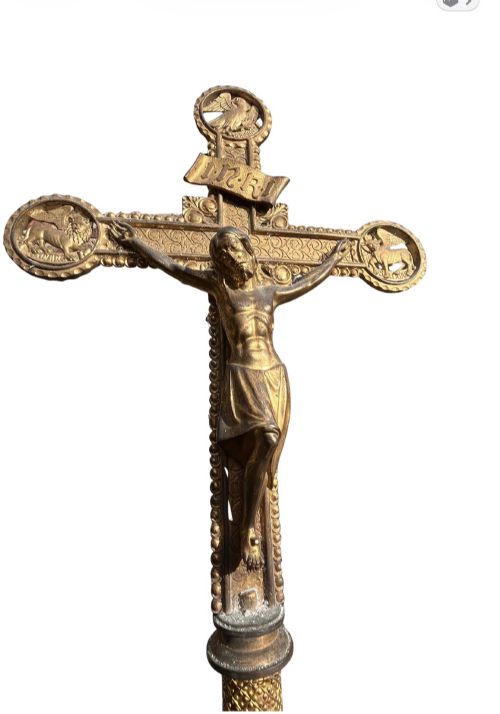
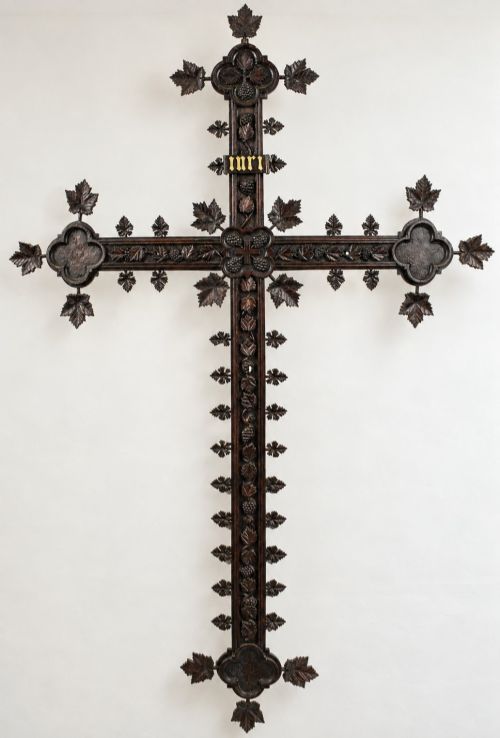
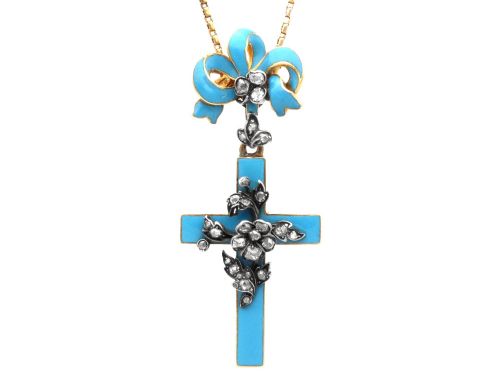
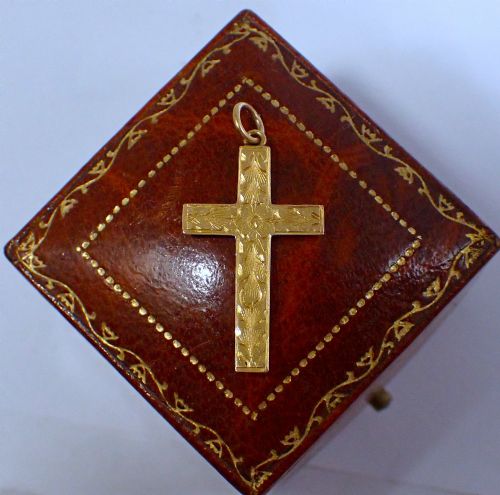
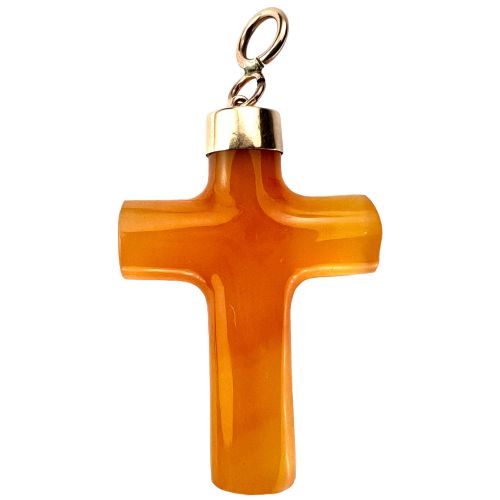
A victorian crucifix takes many physical formats ranging from small wearable pendants and brooches to larger altar crosses and wall markers. The pieces listed on this page encompass smaller jewellery items alongside larger devotional objects.
Materials span precious metals like gold and silver down to cast iron, brass, carved wood, and rosewood. These items bridge personal jewellery and larger religious artefacts.
Origins stretch from British Victorian workshops to French and Spanish religious traditions. Buyers encounter everything from delicate gemstone lockets to substantial wooden wall crosses.
Materials and Techniques
Metals such as brass, silver, and yellow gold form the structural base of many pieces, often enhanced with engraving or gilt metal. Artisans utilised gold in various carats alongside silver and bronze.
Carved wood, including Black Forest work and rosewood, provides substance for larger wall crosses and altar pieces. Gemstones like diamonds, sapphires, turquoise, pearls, and agate are set into gold and silver frames.
Victorian Crucifix Retail Price Guide 2026
Typical asking prices for victorian crucifix among the pieces listed under this phrase on Sellingantiques today, from the lower quarter to the upper quarter. They describe what is for sale here now, not the wider market.
Materials represented include fifteen carat yellow gold, nine carat gold, silver, brass, bronze, cast iron, and carved wood.
Quality Variations
The standard of carving in wooden pieces and the precision of engraving on gold or silver surfaces dictate the refinement of an item. Detail in gemstone settings and enamel work separates standard devotional items from finer jewellery.
The integrity of the materials, from cast iron to high carat gold, influences the overall presence and durability of the piece. Craftsmanship evident in the joinery of wall crosses or the hinge mechanics of locket pendants defines the execution.
The Victorian Crucifix Glossary
- Crucifix
- A cross bearing the figure of Jesus Christ, distinct from a plain cross. These objects serve as devotional items or personal adornment.
- Pendant
- A piece of jewellery that hangs from a necklace or chain. Many examples combine this function with locket compartments.
- Alter Crucifix
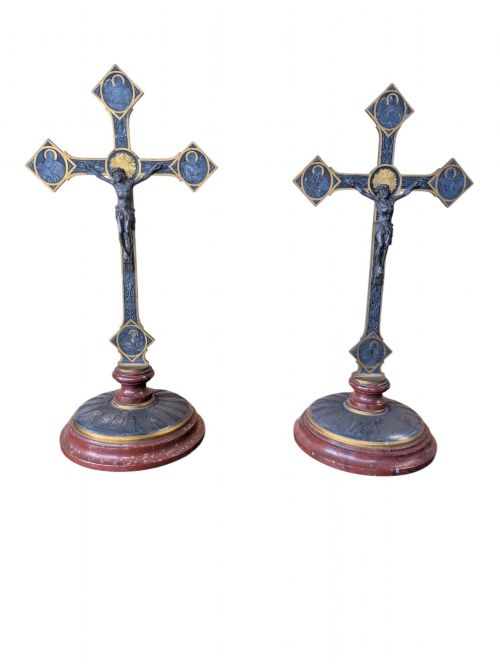
- A cross placed upon or near an altar during religious services. These often appear in brass or carved wood.
- Pique
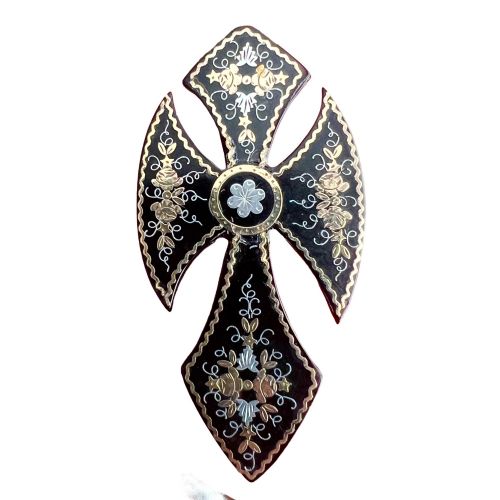
- A technique involving the inlay of gold or silver dots and patterns into materials like tortoiseshell or similar substrates. This decorative method appears on Victorian brooches.
- Gothic Revival
- An architectural and decorative style drawing inspiration from medieval forms. This aesthetic heavily influences nineteenth century ecclesiastical design.
Victorian Crucifix: Frequently Asked Questions
What is a victorian crucifix?
A victorian crucifix is a devotional object or piece of jewellery created during the nineteenth century featuring the cross and the corpus. These items range from wearable gold pendants to larger wooden wall crosses.
They reflect the religious sentiments and decorative styles of the period, incorporating materials like silver, brass, carved wood, and gemstones.
How were these crosses worn?
Many smaller examples function as pendants or brooches designed to be worn on clothing or suspended from chains around the neck. Combination pieces often served dual purposes as both brooches and pendants.
Larger versions, such as altar crosses and wall crosses, were intended for stationary display within domestic or ecclesiastical spaces rather than personal wear.
What materials are common?
Yellow gold in various carats and silver appear frequently in jewellery forms alongside diamonds, pearls, turquoise, and enamel. These precious elements provide both durability and aesthetic appeal.
Larger devotional pieces utilise brass, cast iron, rosewood, and carved wood. Gilding and gilt metal are also common across different formats.
How do I care for antique metalwork?
Antique metals and set gemstones require gentle handling to preserve delicate engravings, enamel work, and original patinas. Avoid harsh chemical cleaners that might strip historical surfaces.
Store wearable pieces separately to prevent scratching, and keep wooden wall crosses away from excessive moisture and direct sunlight.