



Victorian Covered Butter Dish
These Victorian covered butter dish examples bring Victorian and Edwardian dining tables to life with practical lidded serveware.
Victorian Covered Butter Dish
A Victorian covered butter dish is a piece of table service designed to keep dairy cool and protected at the table. These items span from the 1850s through to 1900, capturing both Victorian and Edwardian tastes in tableware.
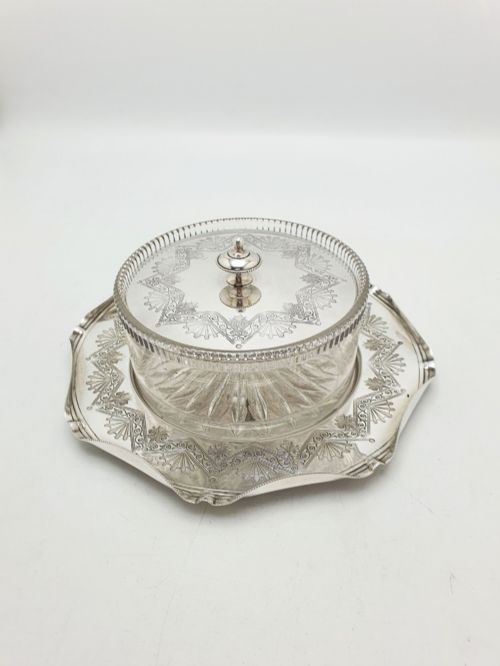
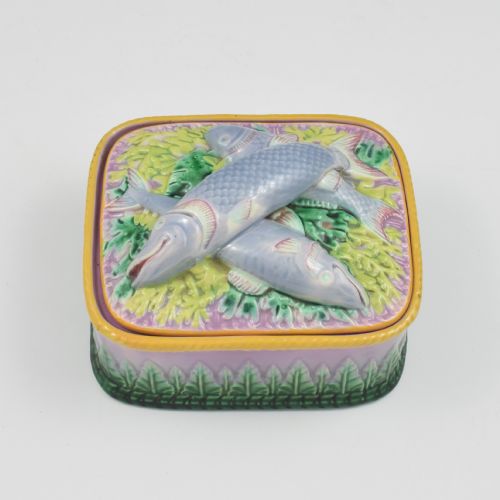
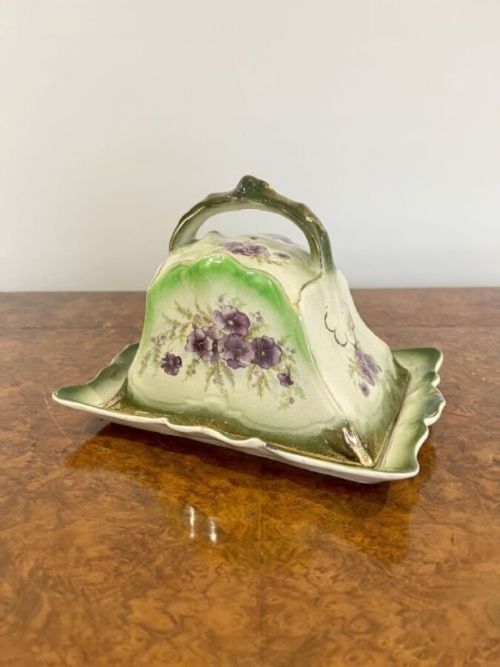
Most examples found here combine a fitted base with a matching lid, often accompanied by glass liners or designed as larger cheese dishes and sardine boxes. They reflect domestic habits of the nineteenth century when lidded containers were essential for preserving table butter.
How They Were Made
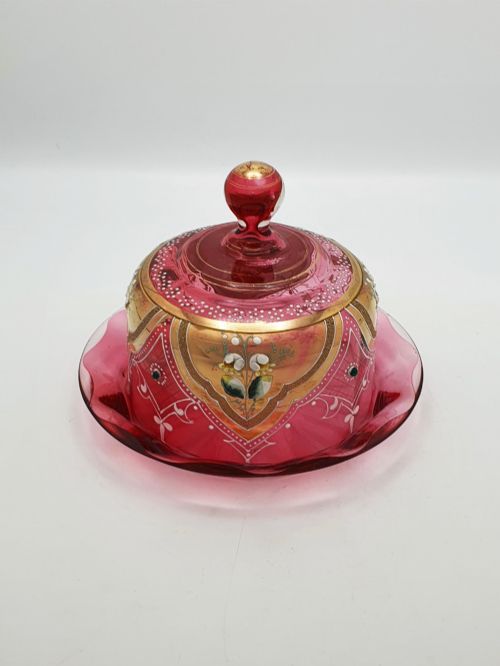
These pieces utilise silver plate, earthenware, and glass, frequently combining metal frames with removable glass liners. Makers shaped silver plate over base metals and moulded clear, cut, or cranberry glass to fit exact dimensions.
Ceramic versions employ glazed earthenware and majolica techniques, applying colourful glazes over moulded clay bodies. Enamel details occasionally add surface decoration to the ceramic and metal bodies.
Victorian Covered Butter Dish Retail Price Guide 2026
Typical asking prices for victorian covered butter dish among the pieces listed under this phrase on Sellingantiques today, from the lower quarter to the upper quarter. They describe what is for sale here now, not the wider market.
Materials represented across the selection include silver plate, earthenware, cranberry glass, and majolica glaze.
What Varies in Quality
Quality rests upon the crispness of the moulding in the glass and the depth of the glaze on majolica pieces. Better examples retain their original glass liners and show precise application of silver plating without base metal showing through.
The sophistication of the modelling separates standard utility wares from finer decorative dishes. Pieces bearing specific maker attributions or complex moulded ornamentation display a higher grade of nineteenth-century craftsmanship.
George Jones·Thomas Forester And Sons
The Victorian Covered Butter Dish Glossary
- Silver Plate
- A thin layer of silver fused to a base metal core. This technique allowed nineteenth-century manufacturers to produce bright metallic tableware at a lower cost than solid silver.
- Majolica
- A type of earthenware covered with an opaque lead glaze and painted with metallic oxide colours. It gained immense popularity in the Victorian era for vibrant, naturalistic tableware.
- Cranberry Glass
- A rich red-pink glass made by adding gold chloride to the molten batch. It was widely utilised for decorative tablewares and liners during the Victorian period.
- Glass Liner
- A removable insert designed to sit inside metal frames to hold food safely. This protected silver plate from the corrosive salts found in butter and cheese.
Victorian Covered Butter Dish: Frequently Asked Questions
What is a Victorian covered butter dish?
A Victorian covered butter dish is a lidded tableware item designed to keep butter fresh and presentable on the nineteenth-century dining table.
These pieces typically feature a base, a fitted cover, and sometimes a removable glass insert to protect the exterior material.
How were glass liners used?
Glass liners sat inside silver-plated frames to hold the butter directly.
This prevented food acids from damaging the metal plating and made cleaning much simpler after use.
Are cheese dishes the same thing?
Cheese dishes and sardine boxes share the same lidded form and period aesthetics as butter dishes.
They served similar dairy storage functions during Victorian meals but were scaled for larger provisions.
What materials should I expect?
The listings show a mix of silver plate, earthenware, and cranberry or cut glass.
Majolica ceramic versions with colourful glazes also appear frequently alongside traditional metal and glass combinations.