




Victorian Counter Stools
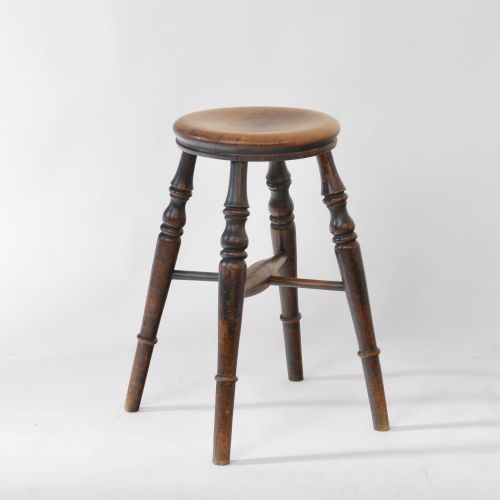
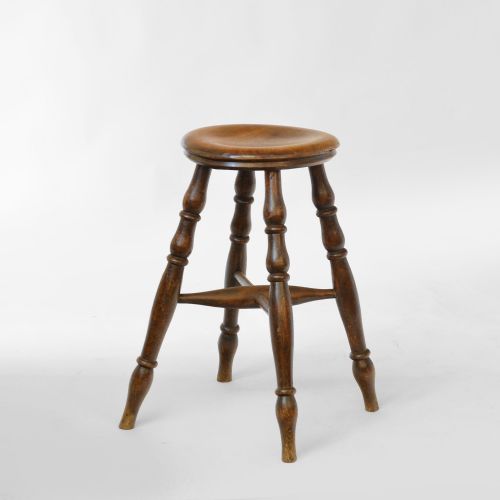
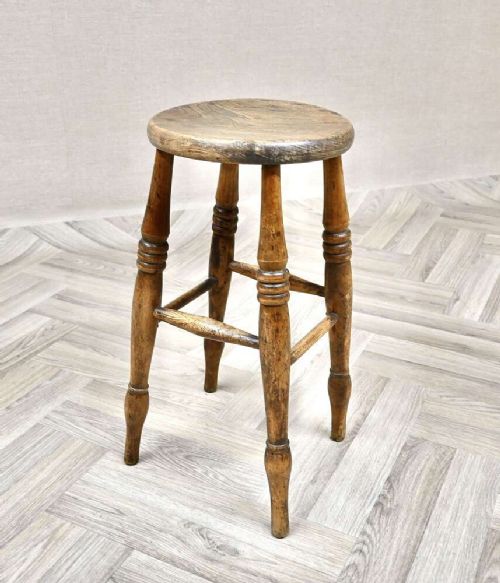
These Victorian counter stools bring genuine utilitarian character to a modern kitchen island or high table.
Victorian Counter Stools
When you search for victorian counter stools, you are looking at tall seating created for practical work in 19th-century pubs, taverns, clerk's offices, and country houses. The examples met on this page span the 19th century, including specific dates around 1880, 1890, and 1910, reflecting the heavy utilitarian demands of the period.
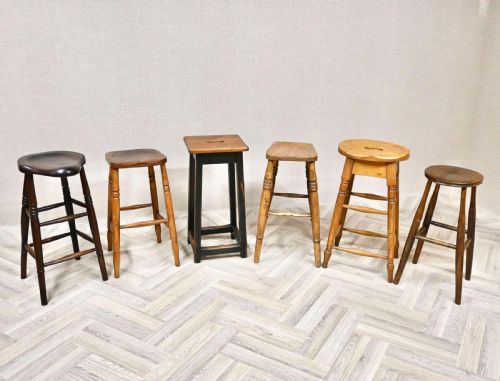
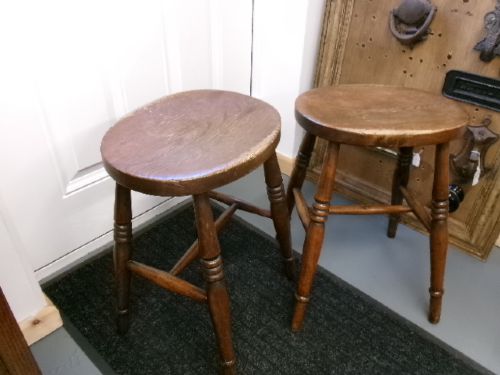
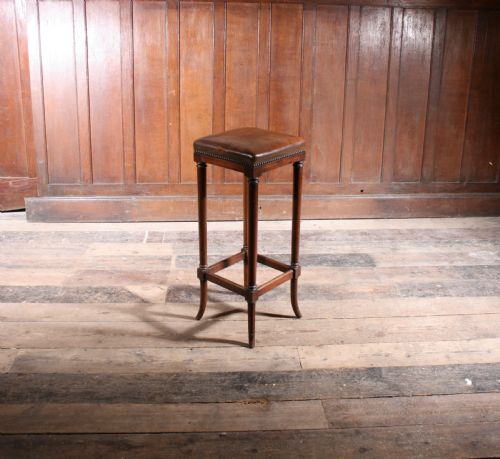
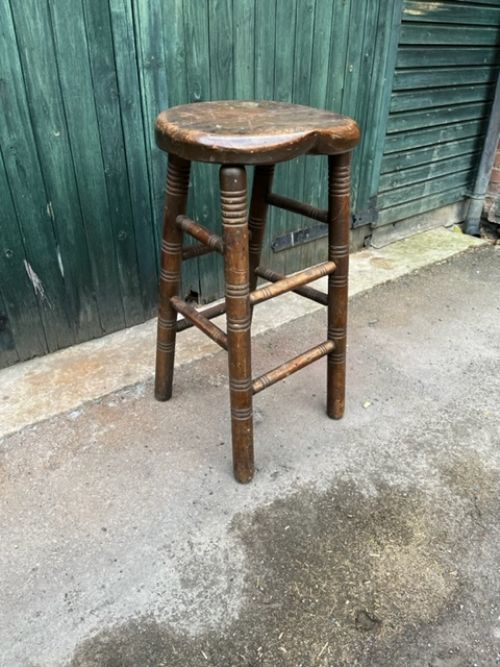
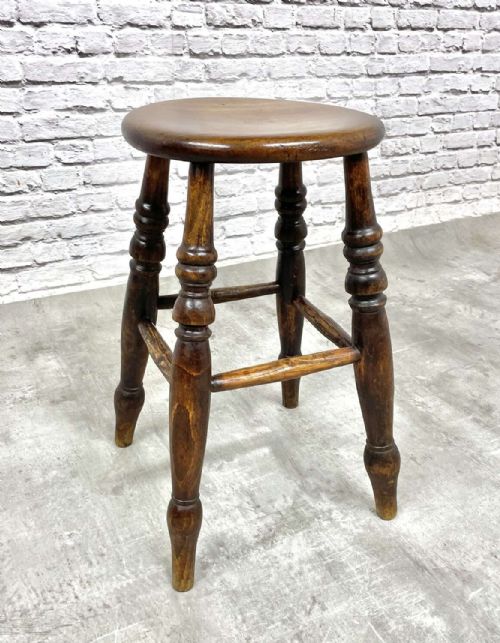
The forms recorded here include tall bar stools, pub or tavern stools, clerk's stools, saddle seat stools, and Windsor stools. These range from single pieces to pairs and sets of six, showing the variety of high seating utilised in historic commercial and domestic settings.
Origins and styles lean heavily toward English country vernacular, rustic farmhouse, and Victorian industrial aesthetics. Buyers often encounter oval dished tops or saddle seats designed for prolonged use at a high counter or desk.
Materials and construction
Makers utilised solid native timbers suited to hard daily wear, predominantly wild elm, sycamore, beech, birchwood, oak, pine, and mixed hardwoods. These woods were chosen for their toughness and availability in the 19th century.
Construction methods rely heavily on sturdy turned wooden legs and strong stretchers to support elevated seats. Selected pieces incorporate leather upholstery on tall frames, while others feature carved oval dished tops or saddle seats shaped for comfort during long hours.
Listings span the 19th century, featuring elm, sycamore, beech, and metal across rustic farmhouse and industrial styles.
Quality variations
The distinction between standard utility seating and finer examples lies in the shaping of the timber and the integrity of the joinery. Ergonomically carved saddle seats and deeply dished wooden tops show a higher level of craftsmanship than flat, plain boards.
Patina and surface wear separate honest utilitarian pieces from later alterations. Original turned stretchers and sound timber joints preserve the historical character of each stool without compromising structural balance.
The Victorian Counter Stools Glossary
- Saddle seat
- A wooden seat base scooped and carved to resemble the contour of a saddle. This shaping improves comfort for the user during long periods of sitting.
- Dished top
- A solid wooden seat surface hollowed into a shallow concave bowl. This traditional technique cradles the sitter and prevents sliding.
- Vernacular
- Objects made by local craftsmen for everyday practical use rather than following high-style court or metropolitan fashions. These pieces prioritise function and local materials.
- Stretcher
- A horizontal wooden brace connecting the legs of a stool to provide structural rigidity. They often double as footrests on tall seating.
Victorian Counter Stools: Frequently Asked Questions
Are victorian counter stools comfortable?
Many examples feature ergonomically shaped saddle seats or dished wooden tops designed to support the body during long hours of work.
Some tall variations also include integrated stretchers that serve as natural footrests while seated at a high counter.
How do I use these in a modern kitchen?
These tall seats fit naturally beneath kitchen islands, breakfast bars, and raised timber workspaces. Their narrow footprint and simple lines suit both rustic and contemporary interiors.
Mixing single pieces or pairs creates an authentic, collected look rather than a matching modern suite.
What woods were used for these stools?
Makers relied on durable native hardwoods such as elm, sycamore, beech, birchwood, and oak. These tough timbers withstood heavy daily use in taverns and offices.
Pine and mixed hardwoods also appear in framing and structural components.
How can I tell a clerk's stool from a tavern stool?
Clerk's stools were built for office work, often featuring turned beech or birchwood frames designed for high desks. Tavern and pub stools typically employ wider elm or sycamore tops intended for social drinking and dining.
Both share the elevated height necessary for working while standing or perching.