





Victorian Correspondence Cabinet
These victorian correspondence cabinet selections are desktop pieces designed to hold papers and letters, offering clever internal fittings for an organised study.
Victorian Correspondence Cabinet
A victorian correspondence cabinet is a tabletop piece designed to store stationery, letters, and writing implements within a study or office. The forms range from simple desk boxes to fitted cabinets with hinged doors or fall fronts.
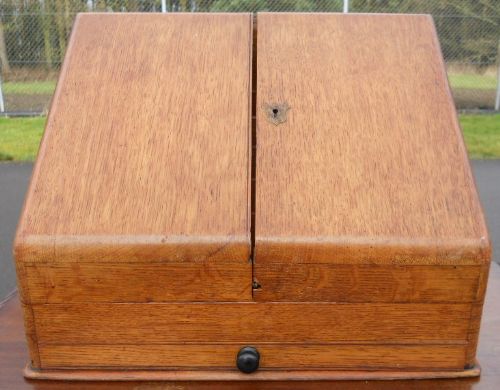
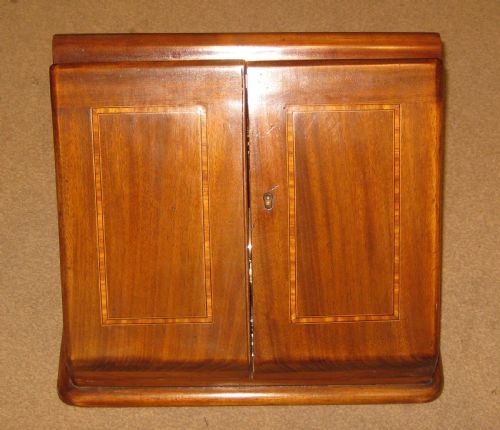
You are most likely to meet mahogany and oak examples spanning the nineteenth century, often reflecting Victorian or Arts and Crafts styles. Pieces such as stationery boxes and writing boxes appear frequently across the current selection.
How they were made
These items rely on traditional cabinet timbers like mahogany, oak, walnut, and satinwood, frequently paired with brass hardware and leather linings. Campaign variations employ robust brass banding and secure mountings for travel.
Surface decoration includes careful wood inlay and glass elements, while internal fittings utilise bone and wood to create compartments for envelopes, paper, and pens.
Victorian Correspondence Cabinet Retail Price Guide 2026
Typical asking prices for victorian correspondence cabinet among the pieces listed under this phrase on Sellingantiques today, from the lower quarter to the upper quarter. They describe what is for sale here now, not the wider market.
Listings feature mahogany, oak, walnut, and satinwood, alongside brass and leather details across nineteenth century periods.
What varies in quality
The distinction between standard utility items and finer examples lies in the choice of cabinet timber and the precision of the joinery. Cabinet makers who selected figured mahogany or incorporated intricate satinwood inlay produced pieces of superior visual depth.
Hardware and internal arrangement further separate ordinary boxes from exceptional pieces. Solid brass mounts, specialised Campaign bindings, and thoughtful internal divisions indicate a higher grade of manufacture intended for discerning clients.
Houghton & Gunn
The Victorian Correspondence Cabinet Glossary
- Stationery cabinet
- A tabletop cabinet designed specifically to hold writing paper, envelopes, and small desk accessories. These pieces usually feature doors or folding fronts rather than simple lift lids.
- Campaign
- A style of portable furniture made for travel, typically fitted with brass corners, flush handles, and robust locks to withstand movement. Such pieces were built for military officers and travellers.
- Satinwood
- A durable hardwood with a natural golden sheen and smooth grain, often utilised for fine inlay and decorative banding on Victorian furniture. It creates strong visual contrast against darker timbers like mahogany.
- Fall front
- A hinged front panel that drops down to provide a writing surface or to grant access to internal compartments and stationery slots. It allows efficient use of space on a desk.
Victorian Correspondence Cabinet: Frequently Asked Questions
What is a victorian correspondence cabinet?
A victorian correspondence cabinet is a desktop storage piece designed to keep writing paper, envelopes, and letters neatly organised.
These pieces range from compact wooden boxes to larger tabletop cabinets with internal shelves and compartments.
How were correspondence cabinets used?
They were kept on desks or writing tables to house daily correspondence, stamps, and writing accessories within easy reach.
Owners stored incoming letters, blank paper, and sealing wax inside the fitted compartments to maintain an orderly study.
What materials are typical?
The listings show a strong reliance on mahogany and oak, often accented with brass, leather, and satinwood inlay.
Some travel-oriented examples incorporate sturdy brass bindings to protect the timber during movement.
How do campaign models differ?
Campaign versions feature robust brass bound construction and flush fittings designed for transport during military or civilian travel.
These pieces prioritise durability and secure storage while maintaining polished cabinet standards.