


Victorian Corner Seat
A victorian corner seat fits compactly into a room junction, bringing carved wood, turned spindles and upholstered comfort to an otherwise wasted space.
Victorian Corner Seat
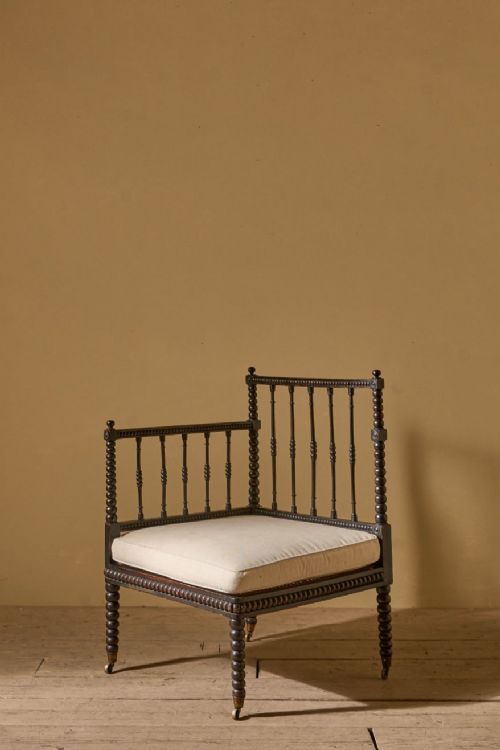
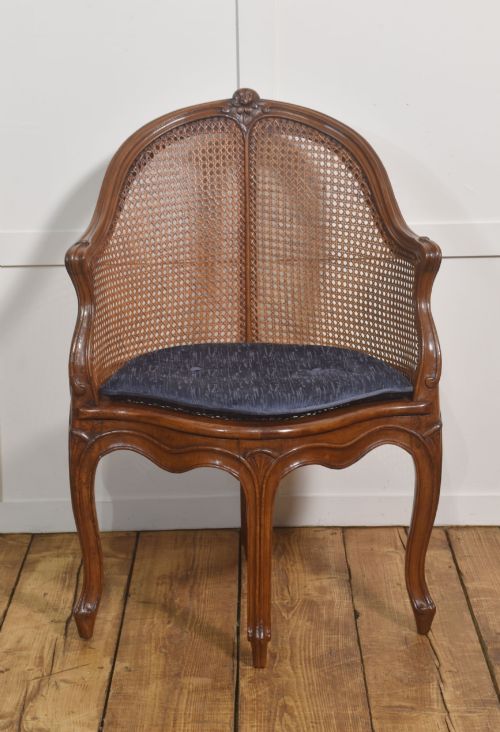
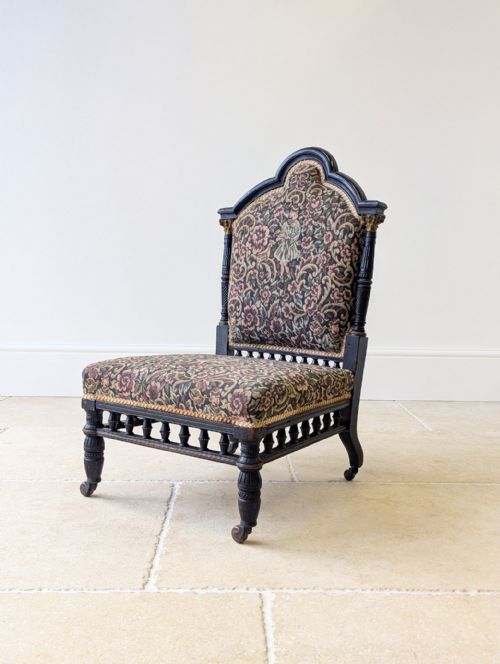
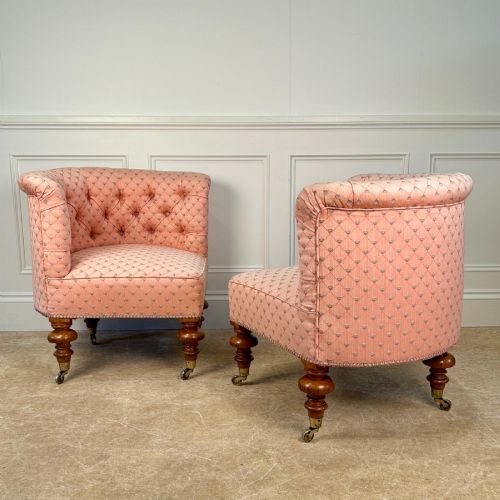
A victorian corner seat encompasses various forms designed to occupy the meeting point of two walls, utilising space efficiently in period drawing rooms and parlours. You will frequently encounter corner chairs with diagonal seating orientation, alongside related items such as club fenders and salon chairs.
The materials span sturdy timbers like oak, mahogany and walnut, often ornamented with intricate carving or ebonised finishes. Upholstery ranges from plain fabric to buttoned leather and velvet.
Origins stretch from English workshops to French and Italian influences, encompassing styles like the Aesthetic Movement, Gothic Revival and Anglo-Moorish design.
Materials and Construction
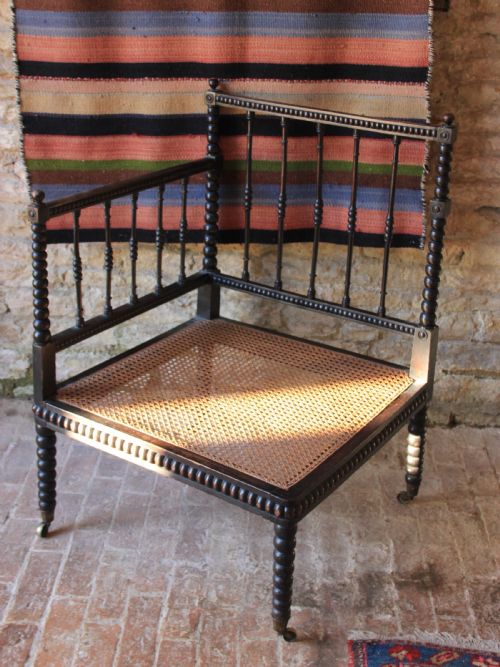
Cabinetmakers utilised hardwoods such as oak, walnut and mahogany for structural integrity, shaping them with turning lathes and hand chisels. Bobbin and spindle turning created repetitive cylindrical motifs popular during the nineteenth century.
Surface treatments include ebonised finishes, marquetry inlay and intricate pierced carving, particularly seen in panels incorporating Mashrabiya work. Joints were typically pegged or tenoned to ensure stability under daily use.
Upholstered elements relied on traditional stuffing methods, supporting fabrics like leather, velvet and cane panels set into wooden frames.
Some nineteenth-century spinning chairs feature unusually low seats designed specifically for working comfortably near a hearth.
Assessing Quality and Execution
The distinction between tiers rests upon the depth of hand carving, the selection of timber figures, and the crispness of turned components like bobbin spindles. Finer examples display meticulous joinery and integrated decorative inlay rather than superficial surface ornamentation.
Upholstery execution also signals grade, where buttoned leather or hand-stitched velvet reflects higher workshop standards than basic fabric coverings.
Liberty and Co·Miles and Edward
The Victorian Corner Seat Glossary
- Bobbin chair
- A seat constructed with turned cylindrical pieces resembling spools of thread. This form gained popularity during the nineteenth century.
- Club fender
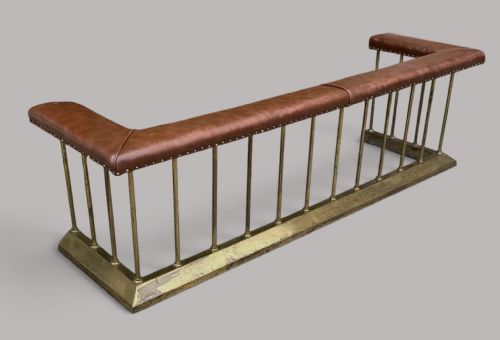
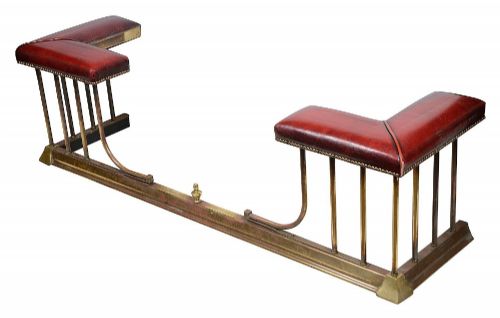
- A low brass or iron frame with upholstered seats flanking a fireplace. It provides a perimeter and a place to sit near the hearth.
- Mashrabiya
- An architectural wooden lattice screen pattern. It appears in furniture panels influenced by Anglo-Moorish design.
- Turners chair
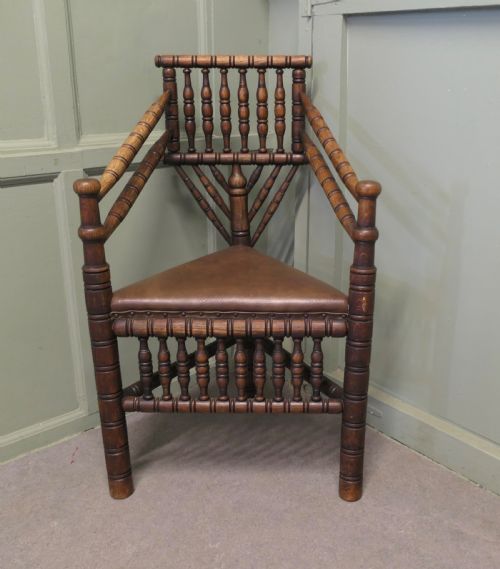
- A heavy wooden armchair assembled from turned spindles and posts. It draws inspiration from ancient Saxon or medieval prototypes.
- Ebonised wood
- Timber stained or painted black to imitate ebony. This technique was common in Aesthetic Movement furniture.
Victorian Corner Seat: Frequently Asked Questions
Where should I place a corner seat?
These seats suit empty room angles where standard chairs block walking paths. They turn awkward junctions into usable reading nooks.
Pair them with a small table or position them in a hallway to create a defined seating station without crowding the floor area.
What is a club fender?
A club fender is a low metal framework designed to sit around the hearth of an open fireplace. The top rails are padded with leather to provide seating.
Originating in Victorian reception rooms, they allowed people to sit close to the fire while keeping sparks contained within the metal boundary.
How do I identify a Turner's chair?
Turner's chairs feature heavy wooden frames built entirely from turned spindles and cylindrical stretchers. They reflect sixteenth-century vernacular styles revived during the Victorian era.
Look for sturdy oak construction, triangular seats and complex geometric arrangements of turned wood components throughout the backrest and arms.
Are these seats comfortable for daily use?
Many examples feature upholstered pads, buttoned leather or supportive cane squab seats designed for sitting. Their diagonal stance offers an upright posture suited to reading or conversation.
Solid wooden versions benefit from the addition of a loose cushion to soften the rigid timber frame during longer periods of sitting.