





Victorian Copper Tea Kettle
These victorian copper tea kettle examples are sturdy vessels forged to heat water, prized for their glowing warmth and traditional hearth appeal.
Victorian Copper Tea Kettle
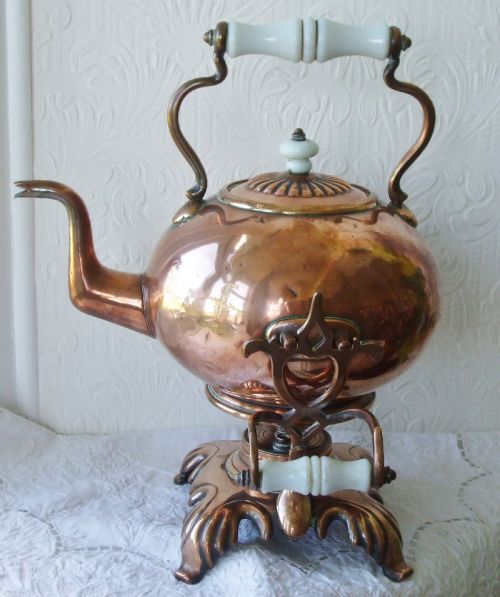
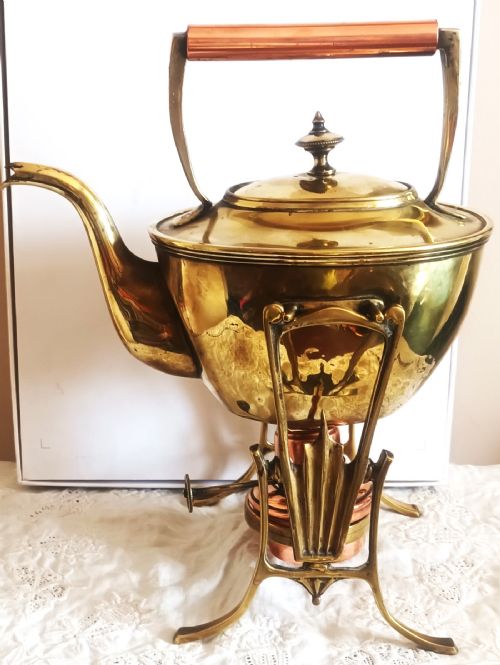
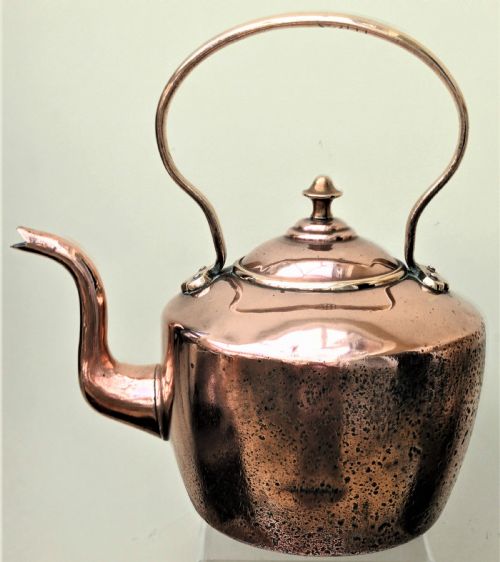
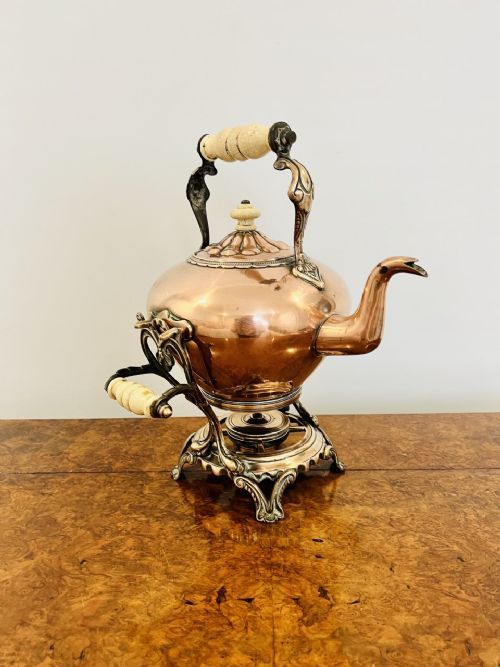
When you search for a victorian copper tea kettle, you find heavy metal vessels designed for boiling water over an open hearth or a fitted stand. The selection includes standard tea kettles alongside larger samovars, tea urns, and spirit kettles raised on frames.
Materials and construction
Makers built these items primarily from sheet copper, often combining it with contrasting brass fittings and handles. Structural elements frequently incorporate wood, bone, wrought iron, and ebonised wood to insulate the user from heat.
Many examples utilise specialised stands or burners, turning a simple hearth vessel into an elaborate spirit kettle assembly. Joints and seams show hand-beaten or riveted construction appropriate to nineteenth-century metalwork.
Victorian Copper Tea Kettle Retail Price Guide 2026
Typical asking prices for victorian copper tea kettle among the pieces listed under this phrase on Sellingantiques today, from the lower quarter to the upper quarter. They describe what is for sale here now, not the wider market.
Materials recorded across the inventory include copper, brass, wood, bone, wrought iron, and ebonised wood.
Judgement of quality
Quality depends upon the heaviness of the metal gauge and the integrity of the original construction rather than surface gleam. Finer pieces display careful balance, particularly when mounted on matching brass or wrought iron stands.
Makers such as William Soutter and Sons produced marked items that demonstrate superior structural finesse. Less distinguished pieces lack maker attribution and show simpler joints, while superior examples feature elaborate mounting hardware and integrated spirit burners.
William Soutter and Sons
The Victorian Copper Tea Kettle Glossary
- Spirit kettle
- A tea kettle suspended over a small spirit burner on a metal stand. This setup kept water hot at the table or in the drawing room.
- Samovar
- A heated metal container traditionally used to boil and heat water in Russia and Britain. Large Victorian examples function as substantial tea urns.
- Ebonised wood
- Timber treated to resemble ebony wood, dark and dense. Makers applied this material to kettle handles and knobs for contrast against the copper body.
- Arts and Crafts
- A design movement favouring craftsmanship and simple forms over mass production. Pieces from this style show distinct handling of the metal.
- Wrought iron
- Iron beaten into shape by hand, used for sturdy stands and hanging brackets. It provides robust support for heavy copper vessels.
Victorian Copper Tea Kettle: Frequently Asked Questions
What is the difference between a kettle and a samovar?
A standard kettle is designed to be lifted and poured, often featuring a swinging overhead handle. A samovar or tea urn is a much larger vessel, frequently fitted with a small spigot near the base for dispensing hot water.
Samovars often require a stand or base and were built to serve large gatherings in Victorian drawing rooms. Kettles remained the portable choice for everyday hearth use.
How do I clean Victorian copper?
Victorian copper develops a natural darker patina over decades of exposure to air and handling. Many collectors prefer this aged surface rather than aggressive polishing that strips away historical character.
If you choose to brighten the metal, use a specialised copper cream applied gently with a soft cloth. Avoid harsh abrasives that scratch the soft copper sheet.
How do I date these pieces?
Dating relies on stylistic clues, construction methods, and occasional maker marks stamped into the base or handle mounts. Nineteenth-century pieces typically show hand-beaten seams and specific handle attachments.
Later Victorian and Arts and Crafts examples from eighteen ninety often exhibit simpler lines or distinctive bracket work. Comparing the handle insulation materials and mount styles helps narrow the decade of production.