


Victorian Copper Mold
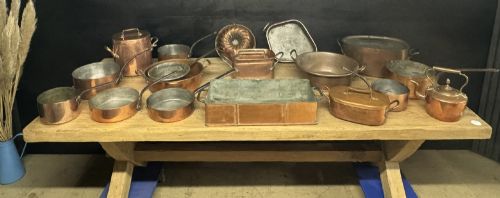
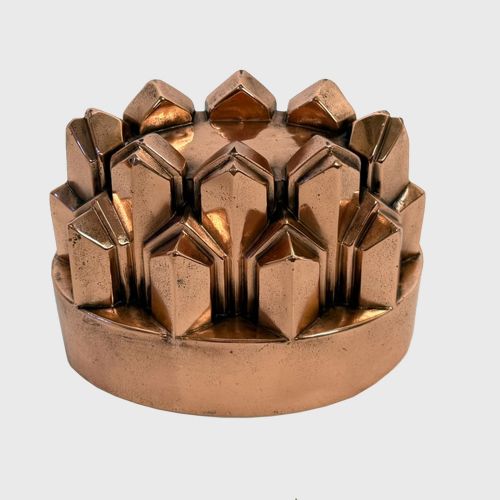
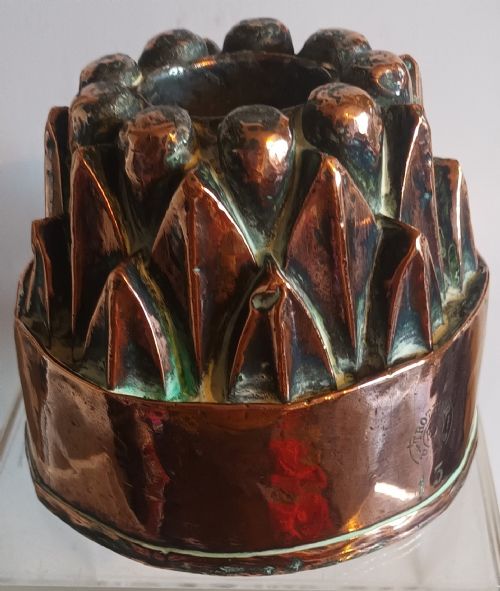
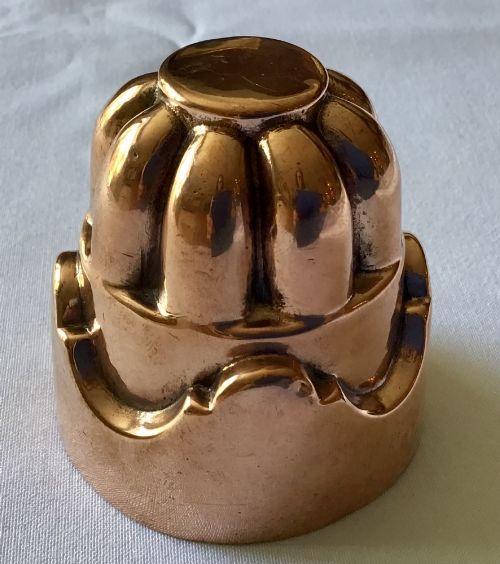
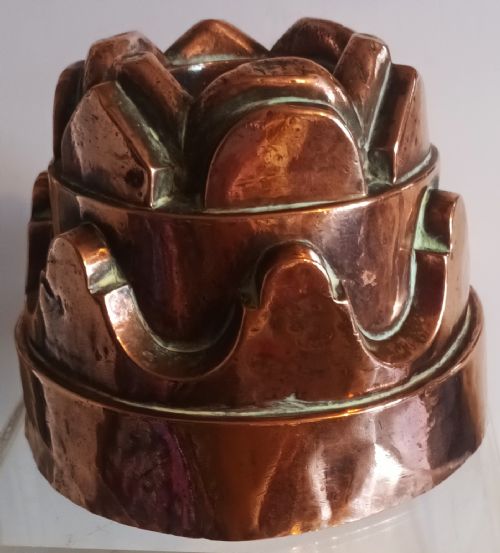
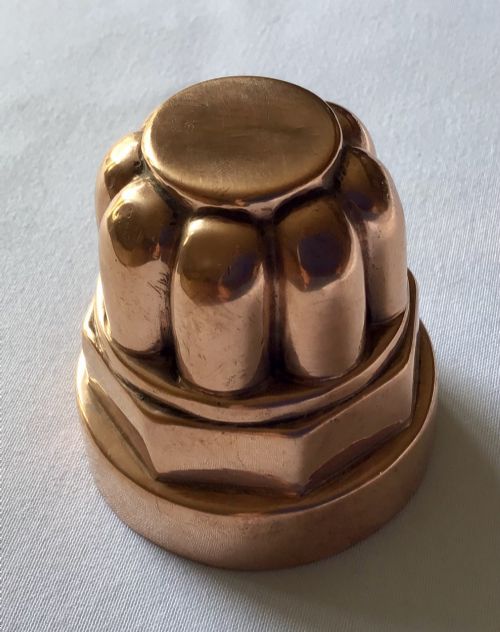
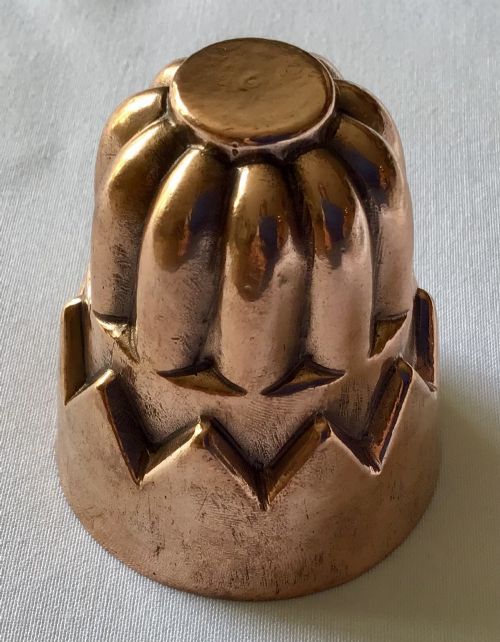
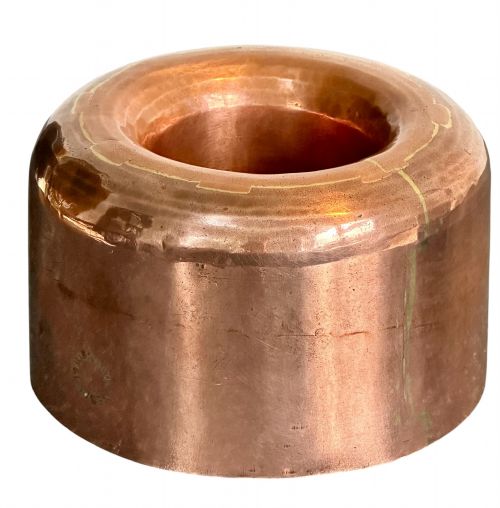
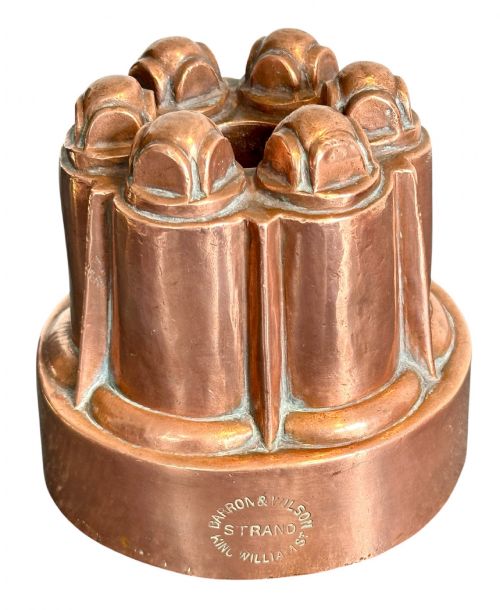
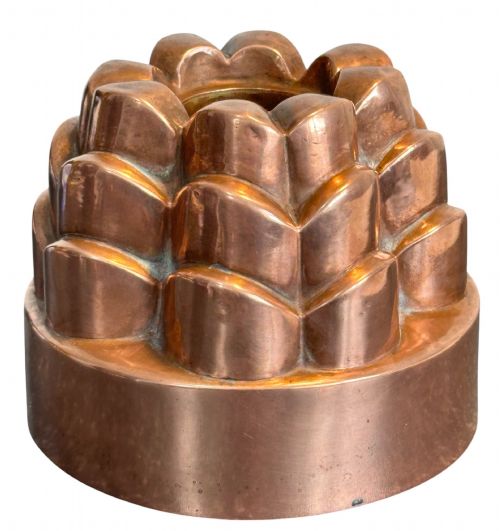
These Victorian copper mould pieces are heavy kitchenalia and culinary moulds built to shape jellies, custards and ices.
Victorian Copper Mold
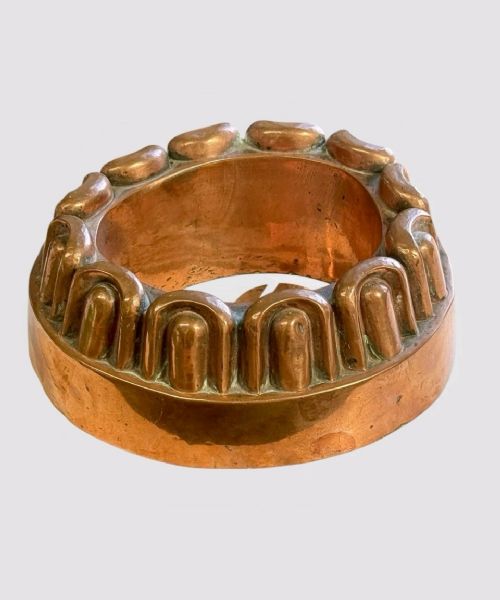
When a buyer searches for a victorian copper mould, they encounter kitchenalia and culinary moulds designed for shaping jellies, puddings and ice creams. The pieces on this page are jelly moulds, kitchen moulds and ice cream moulds originating from the nineteenth century.
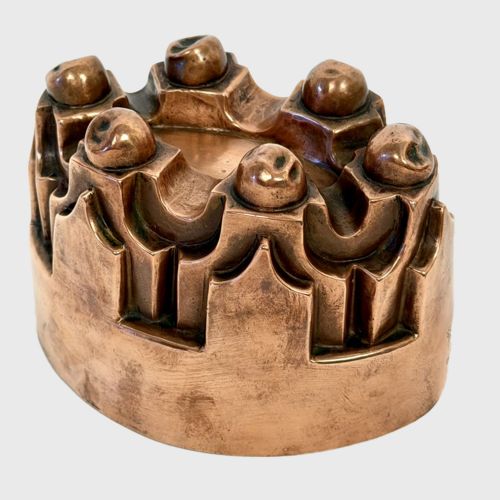
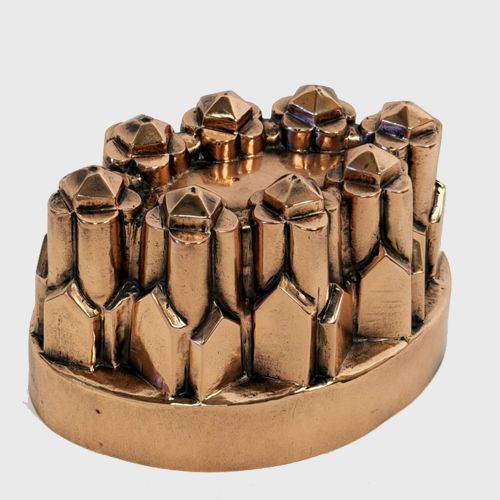
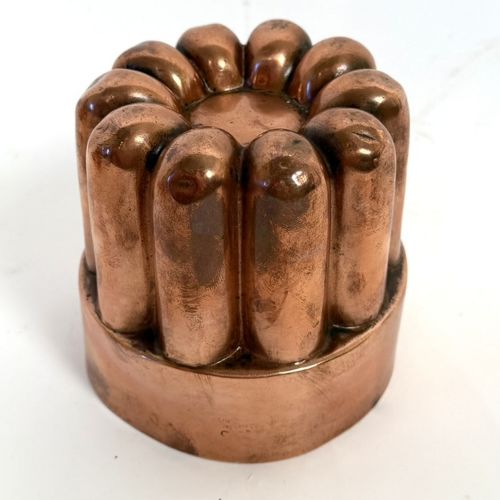
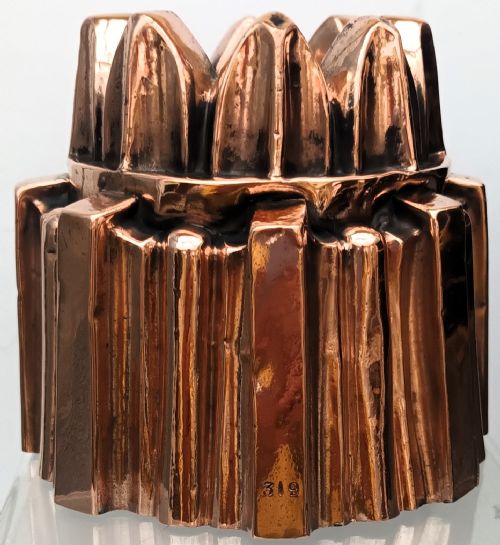
Most items take familiar nineteenth century forms, including round and oval shapes, architectural castle tops and animal figures such as cats. Miniature versions also appear alongside standard kitchenware.
Originating predominantly from English and French makers, these culinary vessels represent functional nineteenth century kitchen equipment intended for shaping elaborate desserts.
How they were made
These culinary vessels are constructed from heavy gauge copper, frequently featuring interior linings of tin to prevent food from contacting the raw metal. Certain examples incorporate brass elements or bronze fixings.
Makers formed the intricate shapes by hand-beating sheet copper into complex relief designs, creating deep fluted walls and pictorial motifs like castle towers or animal figures.
Victorian Copper Mold Retail Price Guide 2026
Typical asking prices for victorian copper mold among the pieces listed under this phrase on Sellingantiques today, from the lower quarter to the upper quarter. They describe what is for sale here now, not the wider market.
What varies in quality
Quality in a victorian copper mould rests upon the crispness of the interior relief and the thickness of the original metal sheet. Sharp architectural details and cleanly struck figural shapes denote superior craftsmanship.
The survival of the internal tin lining and the integrity of the seams where the copper sheet joins together distinguish finer kitchenware from heavily worn examples.
Trottier·Harrods
The Victorian Copper Mold Glossary
- Tin lined
- A protective coating applied to the interior surface of copper culinary vessels. This layer prevents acidic foodstuffs from reacting with the copper during the shaping process.
- Kitchenalia
- Domestic utensils and culinary equipment collected for their historical utility. This category encompasses nineteenth century moulds, pots and jugs.
- Relief
- Raised pictorial or geometric ornamentation pressed into the metal wall of the mould. This technique ensures the finished jelly or ice cream retains a distinct pattern.
- Miniature
- A scaled-down version of a standard culinary vessel. These smaller pieces were produced for individual portions or ornamental display.
Victorian Copper Mold: Frequently Asked Questions
What were victorian copper mould pieces used for?
These kitchen items were utilised in nineteenth century kitchens to shape jellies, custards, blancmanges and frozen desserts. Cooks filled the heavy metal vessels with liquid mixtures and chilled them until set.
Once set, the contents were turned out onto serving platters to display the intricate raised designs and architectural motifs on the table.
Are these moulds safe for modern cooking?
While originally designed for practical food preparation, many surviving examples are now collected as decorative kitchenalia or wall display pieces. Using them for cooking depends entirely on the condition and completeness of the interior tin lining.
Exposed copper requires professional retinning before coming into contact with food in a modern kitchen setting.
How do I clean a copper mould?
Cleaning historic copper requires gentle non-abrasive metal cleaners to remove tarnishing while preserving the aged patina of the nineteenth century metal. Harsh scrubbing agents can damage the soft copper surface and wear away any remaining interior tin.
Keeping the exterior dry prevents rapid re-tarnishing after polishing.
What designs are most common?
Standard geometric shapes such as round and oval outlines appear frequently among nineteenth century kitchenware. Architectural castle tops and figural animal designs like cats also feature prominently.
Miniature versions and lidded ice cream pots represent rarer specialised variations within the selection.