

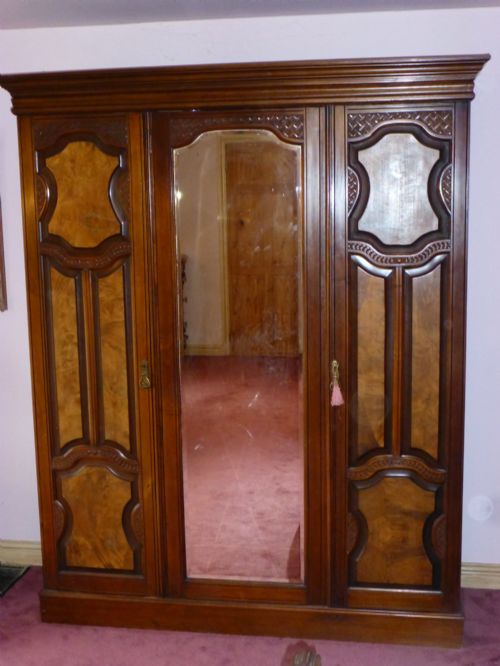
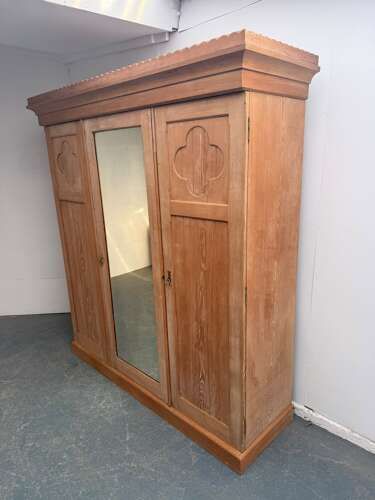
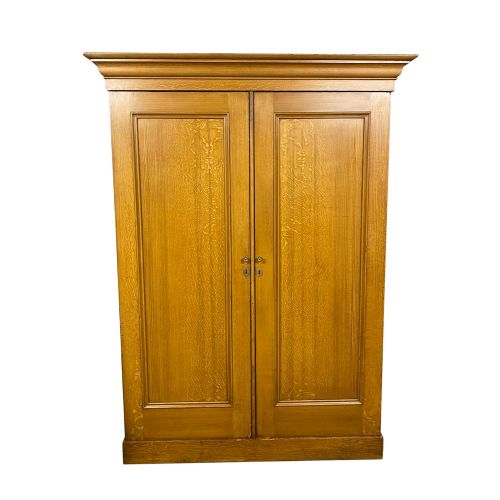
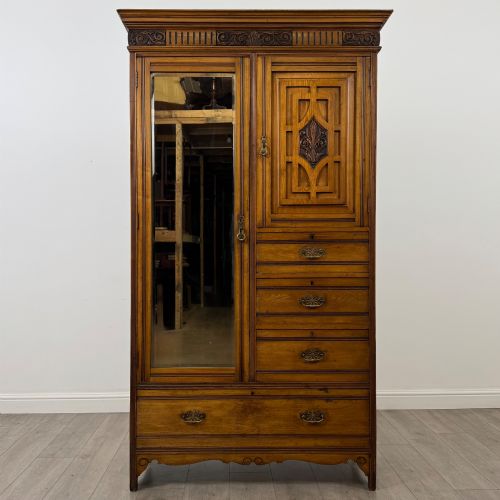
Victorian Compactum
A victorian compactum is a substantial fitted bedroom wardrobe combining hanging space, drawers and shelving.
Victorian Compactum
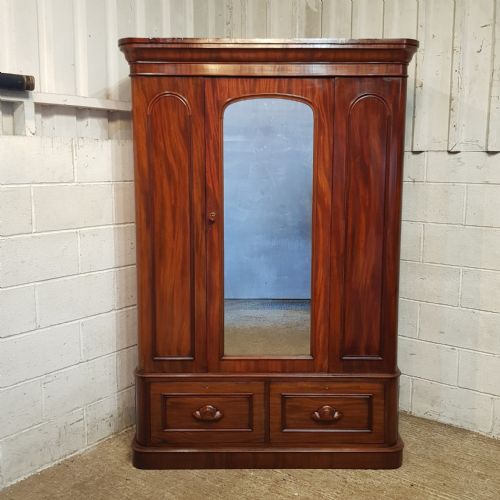
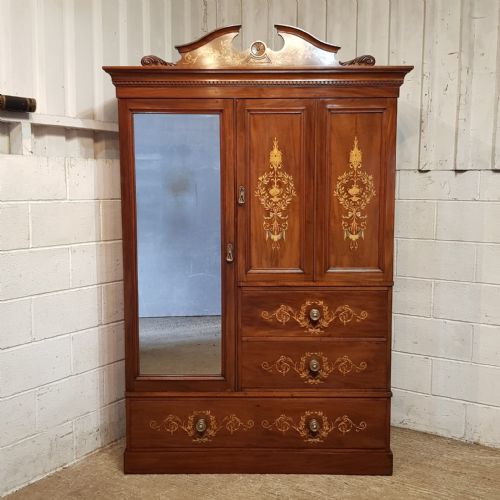
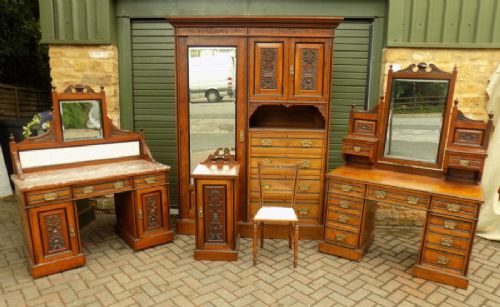
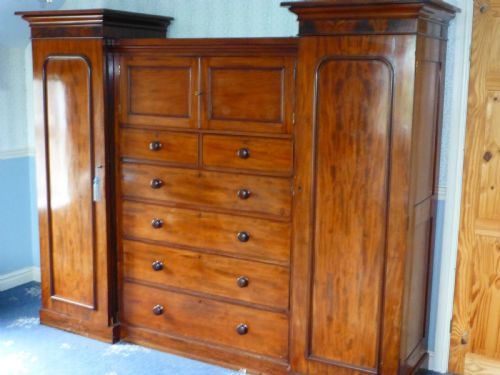
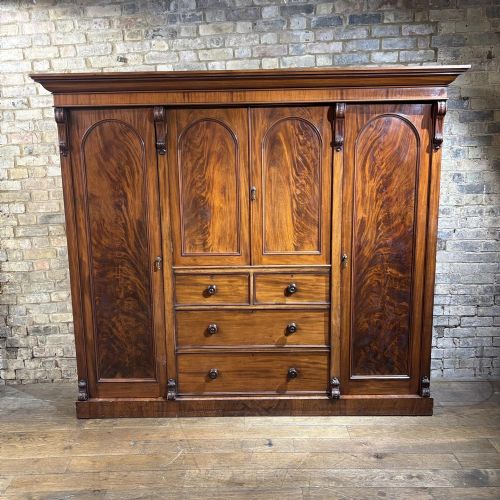
A victorian compactum serves as a comprehensive bedroom storage unit, grouping hanging compartments, sliding trays, and drawer stacks into a single architectural piece of furniture.
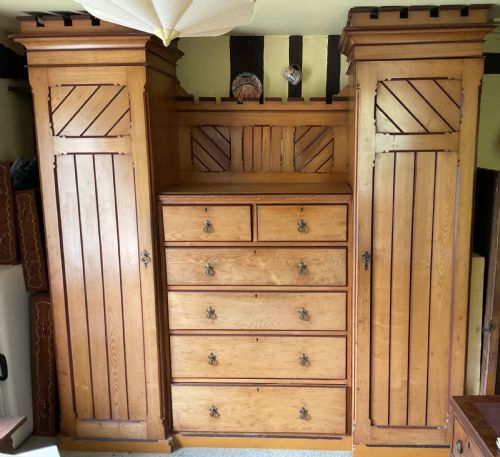
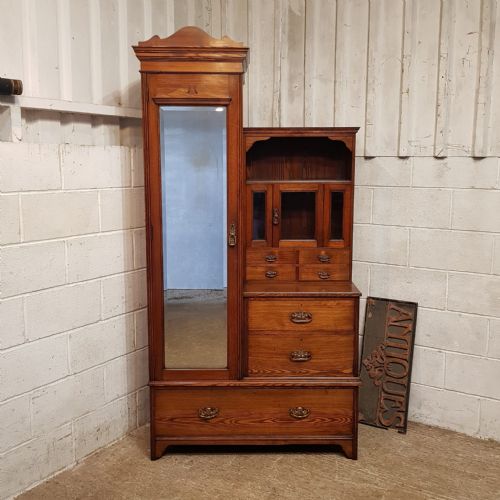
The versions met most frequently on this page date from the nineteenth century, spanning mahogany, walnut, burr walnut, ash, and pine timbers.
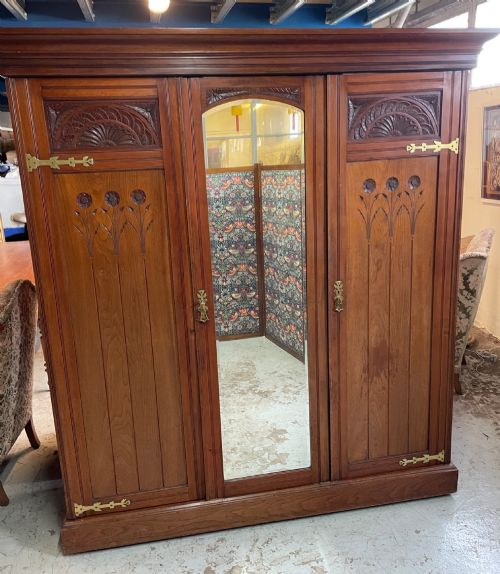
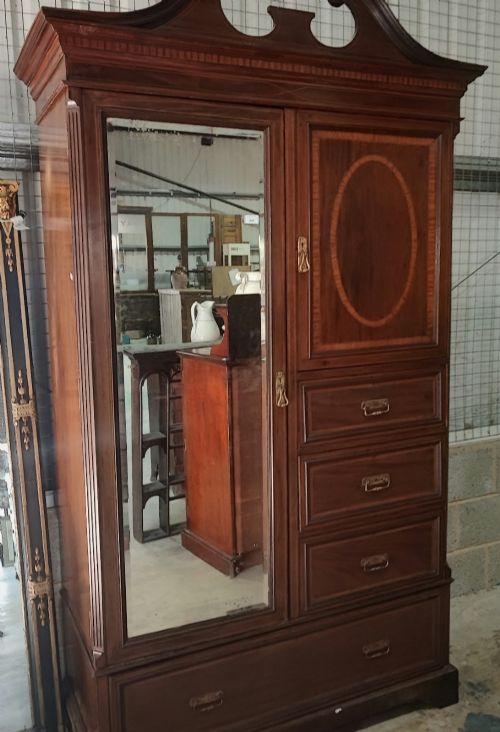
Makers constructed these large pieces to organise gentlemen's or ladies' attire efficiently, often incorporating mirrored doors and interior pigeonholes alongside standard wardrobe sections.
What varies in quality
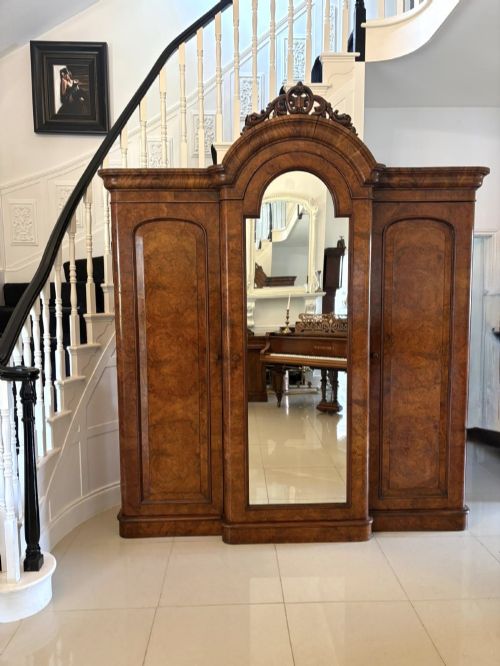
The hierarchy of quality rests upon the selection of timber figures, such as heavily figured burr walnut or flame mahogany veneers, matched across large surfaces.
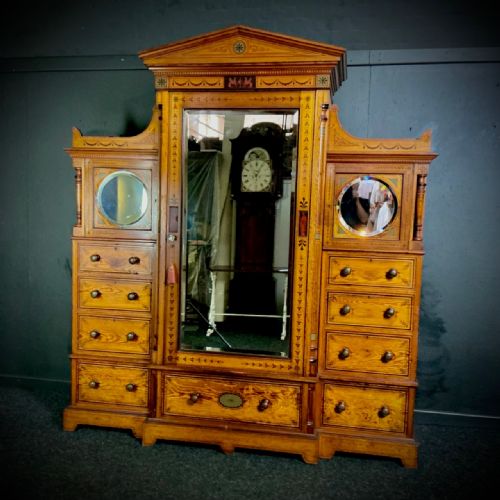
Joinery detail also divides standard production from master workshops, seen in complex breakfront carcases, internal configuration complexity, and precise inlay work.
Victorian Compactum Retail Price Guide 2026
Typical asking prices for victorian compactum among the pieces listed under this phrase on Sellingantiques today, from the lower quarter to the upper quarter. They describe what is for sale here now, not the wider market.
Listings feature nineteenth-century compactums constructed from mahogany, burr walnut, ash, pine, and satin birch.
Edwards and Roberts·Holland and Sons·Gillows·Maple and Co
The Victorian Compactum Glossary
- Compactum
- A multi-functional wardrobe combining hanging space, drawers, and linen slides in one fitted carcass.
- Burr walnut
- A decorative timber veneer sliced from walnut tree growths, producing swirling and mottled patterns.
- Breakfront
- A piece of furniture where the central section projects forward from the flanking wings.
- Scumble paintwork
- A translucent decorative glaze manipulated over a base coat to imitate wood grain.
- Linen press
- A tall cupboard containing internal sliding trays originally designed for storing folded fabrics.
Victorian Compactum: Frequently Asked Questions
What is a compactum wardrobe?
A compactum is a large nineteenth-century wardrobe designed to hold a complete wardrobe of clothing within a single multi-compartment carcass. It typically combines hanging space with banks of internal drawers and sliding linen shelves.
These pieces emerged to maximise bedroom storage by integrating functions that previously required separate chests of drawers and wardrobes. Their fitted interiors often include dedicated spaces for collars, ties, and boots alongside main compartments.
How do I identify a Victorian piece?
Victorian furniture dates from the reign of Queen Victoria between eighteen thirty-seven and nineteen 0 one, encompassing diverse stylistic revivals. Examination of timber construction, backboards, and drawer dovetails reveals the nineteenth-century manufacturing methods.
Design characteristics shifted through the era, moving from heavy mahogany and burr walnut towards lighter ash and stylistic influences from the Arts and Crafts and Aesthetic movements towards the close of the century.
Will a compactum dismantle for moving?
Most large Victorian compactums were constructed to dismantle into major modular sections for transport and installation in nineteenth-century homes. The standard breakdown includes a heavy plinth base, a projecting cornice top, and left and right hanging wings flanking a central drawer or cupboard section.
Bolts and tongue-and-groove joints typically hold the carcass together internally, allowing the massive pieces to pass through standard doorways before reassembly.
Where should I place a compactum?
These wardrobes require a bedroom or dressing room with adequate wall space and sufficient ceiling height to accommodate their tall cornices. Placing them away from direct heat sources prevents timber shrinkage and protects decorative wood veneers.
Because many examples feature mirrored central doors, positioning them opposite a window helps reflect natural light into larger rooms while showcasing the figured mahogany or walnut grain.