

Victorian Column Table
These Victorian column table examples combine period metalwork and timber to serve as practical lighting stands or occasional surfaces.
Victorian Column Table
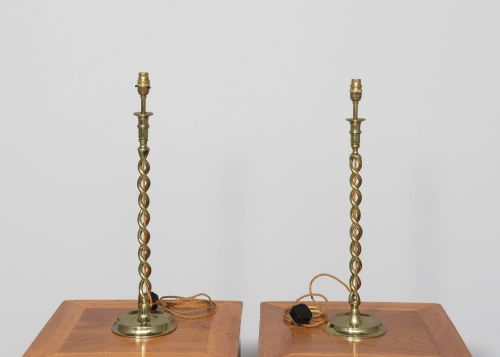
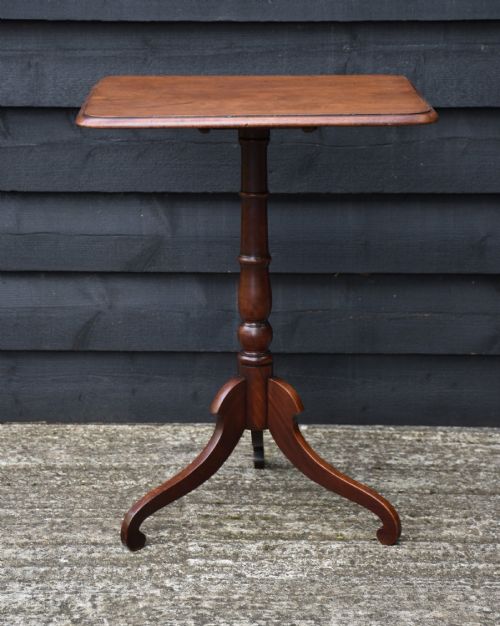
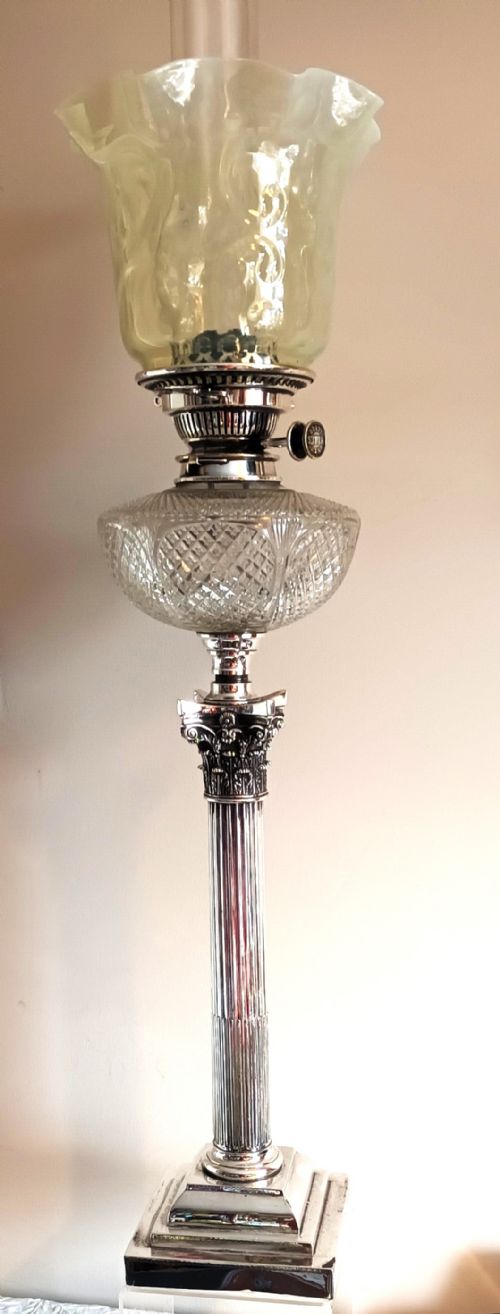
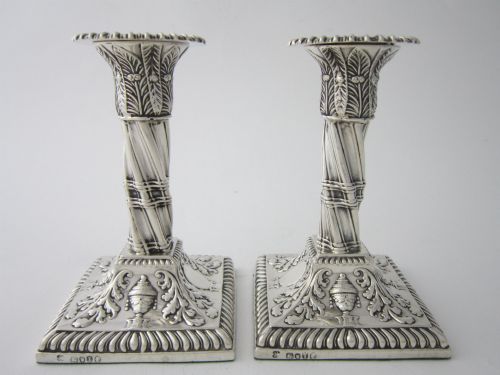
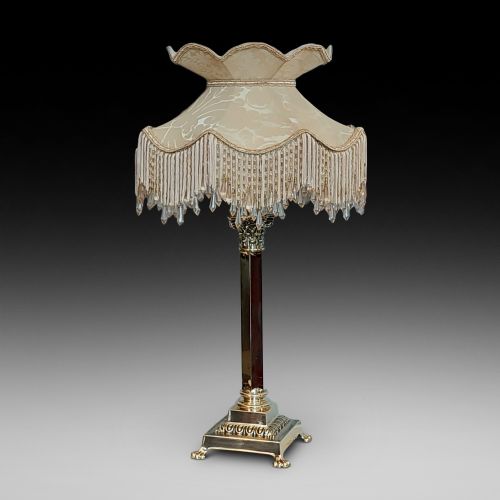
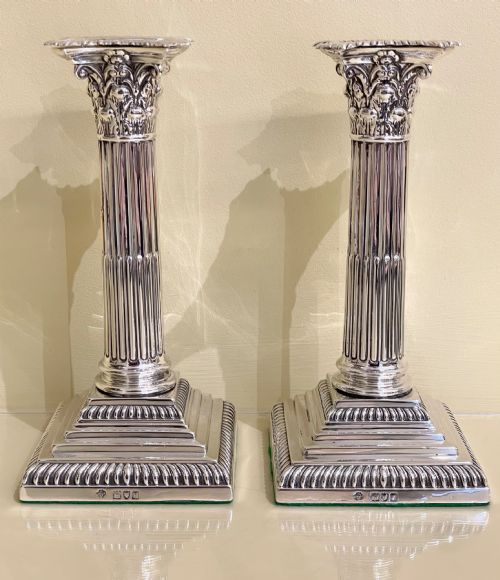
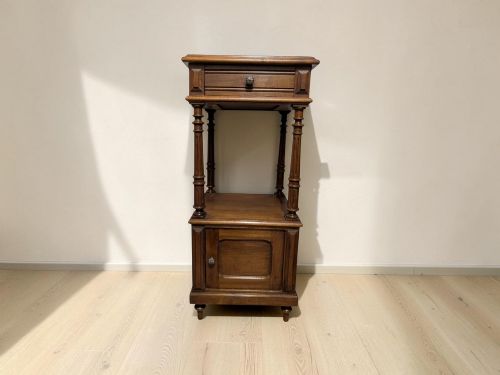
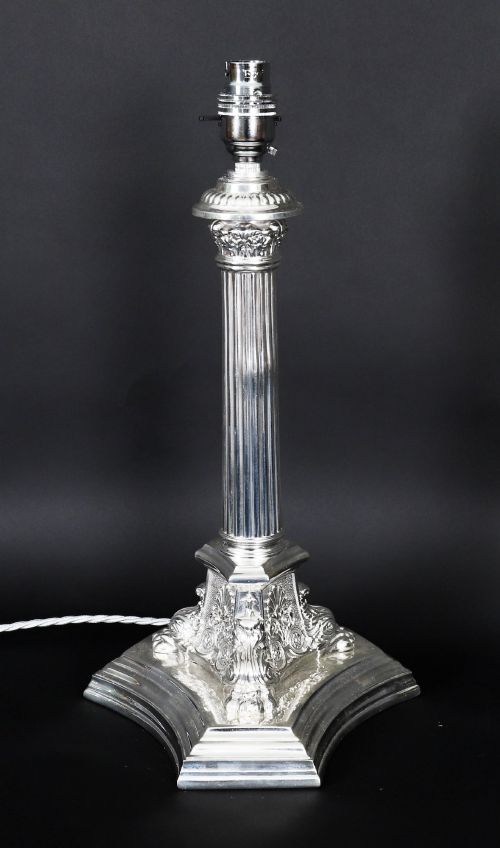
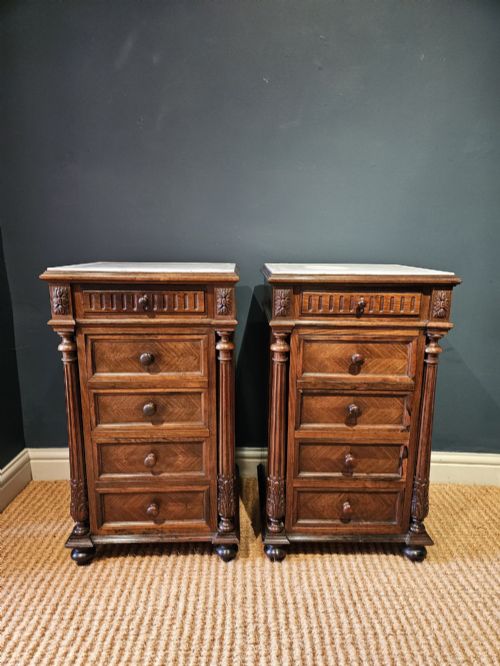
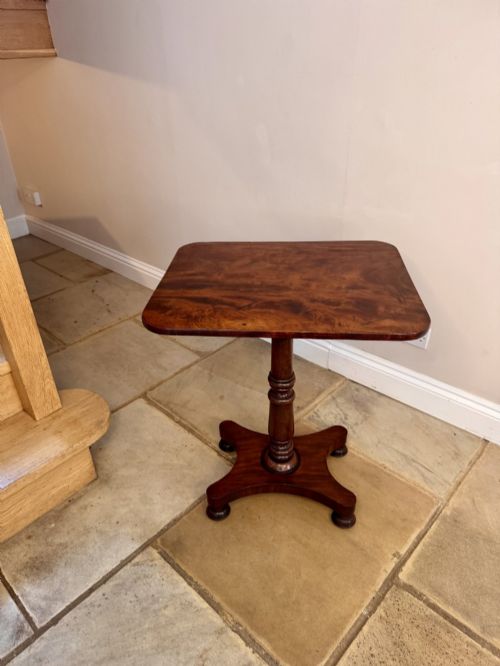
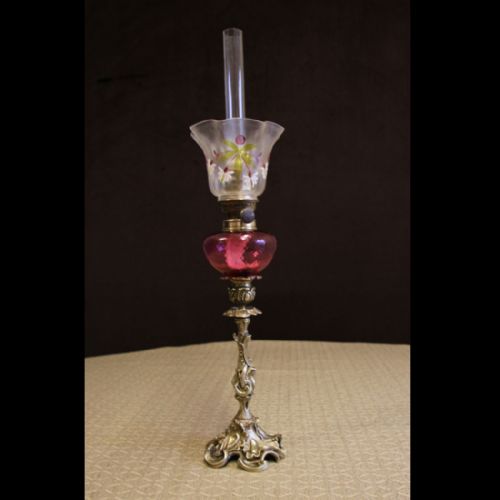
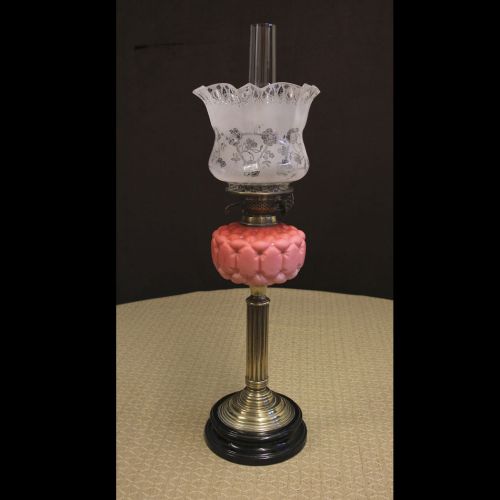
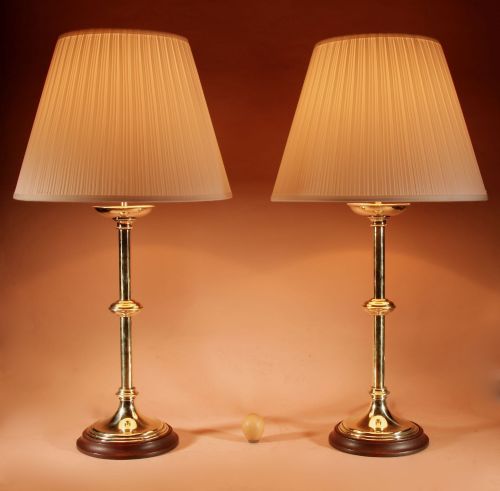
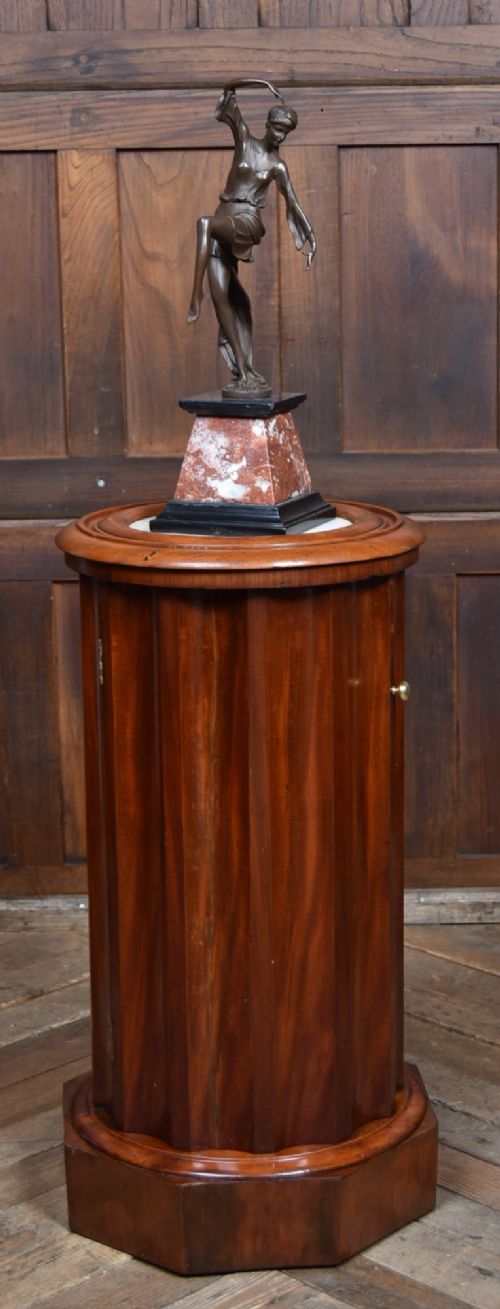
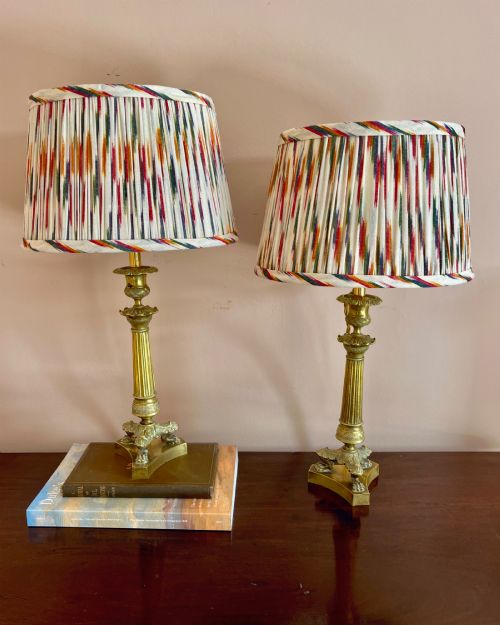
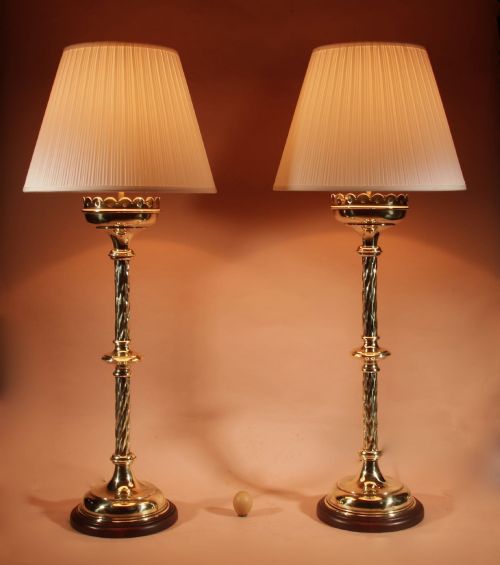
When searching for a victorian column table, a buyer typically encounters lamp tables, occasional pieces, and architectural oil lamps featuring vertical supports. These forms emerge from nineteenth-century workshops in mahogany, walnut, burr walnut, and patinated brass, often incorporating classical architectural details such as Corinthian capitals.
The selection on this page demonstrates how domestic lighting and occasional furniture overlapped during the period. Many items designed primarily to hold oil lamps or candles function equally well today as compact lamp tables or side surfaces within a period interior.
How they were made
Cabinetmakers and metalworkers utilised a combination of dense hardwoods and cast metals, pairing mahogany, walnut, and satinwood with brass, silver plate, and blown glass fonts. Turning, carving, and marquetry define the timber components, while metal columns often showcase fluting and cast capitals inspired by classical architecture.
Surface treatments range from polished wood veneers to patinated brass and silver plating, sometimes complemented by cranberry glass shades and etched glass tulip components. Construction methods rely on tripod bases, turned pedestals, and fitted galleries designed to support heavy oil lamps or display items safely.
Victorian Column Table Retail Price Guide 2026
Typical asking prices for victorian column table among the pieces listed under this phrase on Sellingantiques today, from the lower quarter to the upper quarter. They describe what is for sale here now, not the wider market.
Some nineteenth-century occasional tables include clever tilt-top mechanisms designed to tuck away neatly against the parlour wall after tea.
What varies in quality
The distinction between standard examples and finer pieces rests in the crispness of the casting on metal columns and the choice of timber figures in the tabletop veneers. Burr walnut and figured mahogany with marquetry inlay indicate a higher standard of cabinetmaking than plain secondary woods.
Proportion and stability also divide the range, as well-balanced tripod bases and substantial weighted brass columns offer superior daily utility compared to lighter or more utilitarian constructions.
The Victorian Column Table Glossary
- Corinthian column
- A vertical architectural support featuring an ornate capital decorated with acanthus leaves. This style appears frequently on nineteenth-century brass oil lamps and candlesticks.
- Burr walnut
- A highly figured wood veneer taken from the burl growths of the walnut tree. It produces intricate swirling patterns prized by Victorian cabinetmakers for tabletops.
- Duplex burner
- A double-wick mechanism found on Victorian oil lamps that produced a brighter flame. It allowed for greater illumination in domestic settings.
- Tripod base
- A three-legged support system commonly used on nineteenth-century occasional and wine tables. This design ensures stability on uneven floorboards.
- Tilt-top
- A tabletop mechanism that allows the surface to pivot to a vertical position when not in use. It saved domestic space in period drawing rooms.
Victorian Column Table: Frequently Asked Questions
What is a Victorian column table used for?
These pieces served multiple practical functions in nineteenth-century homes, primarily acting as sturdy stands for oil lamps, reading materials, or decorative items.
Today, they adapt readily to modern interiors as compact side tables, bedside surfaces, or dedicated pedestals for display.
What woods were used for these tables?
Victorian furniture makers predominantly relied on mahogany and walnut, frequently selecting figured burr walnut for decorative tabletops and occasional surfaces.
Other examples incorporate satinwood, oak, and rosewood, sometimes accented with marquetry inlay or ebony stringing.
Can I use an old oil lamp as a table?
Many brass column oil lamps retain their original glass fonts and shades, functioning primarily as decorative lighting fixtures rather than everyday tables.
Conversely, dedicated lamp tables and occasional stands provide flat wooden surfaces specifically built to hold smaller lamps or objects.