

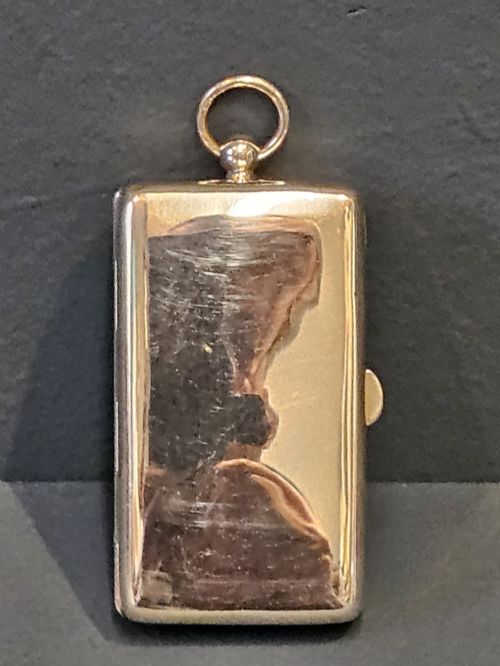


Victorian Coin Bank
These Victorian coin bank pieces span cast iron, earthenware, and hardwood, offering practical savings storage alongside distinct nineteenth-century character.
Victorian Coin Bank
When buyers search for a victorian coin bank, they seek nineteenth-century savings receptacles that range from mechanical iron novelties to earthenware pottery vessels. The versions most frequently encountered on this page include mechanical cast iron figures and traditional earthenware money boxes.
These pieces encompass various domestic and commercial forms, including sovereign cases, carved hardwood misers, puzzle boxes, and Staffordshire dog money boxes. The selection reflects both English folk art traditions and functional mercantile accessories from the period.
The assortment bridges utilitarian objects and decorative folk art, capturing the saving habits and manufacturing styles of the nineteenth century. Every piece serves as a tactile record of period craftsmanship, from simple lead-glazed pottery to intricate mechanical ironwork.
How they were made
Makers utilised cast iron for mechanical banks, pouring molten metal into moulds to create moving parts that animate when coins are inserted. Earthenware examples involved shaping local clay, applying lead glazes, and firing in traditional kilns.
Carved pieces relied on hardwoods shaped with hand tools to produce figurative sculptures like the miser or puzzle book boxes. Cabinet makers constructed small chests and drawers using mahogany, assembling compartments for coins and tokens with precise joinery.
Victorian Coin Bank Retail Price Guide 2026
Typical asking prices for victorian coin bank among the pieces listed under this phrase on Sellingantiques today, from the lower quarter to the upper quarter. They describe what is for sale here now, not the wider market.
Carved hardwood misers gleefully guard slot-ready pockets, proving that Victorian thrift had a distinct sense of humour.
What varies in quality
Quality rests in the crispness of the casting for iron mechanical banks and the detail of the hand-painting on Staffordshire pottery. Finer examples retain their original painted surfaces and smooth mechanical movement without replacement parts.
In wooden and carved pieces, the depth of carving and the selection of dense hardwood determine the standard of the item. Superior glazed earthenware displays even kiln firing and well-preserved lead glazes without modern restoration.
John Harper Co·Verwood Pottery
The Victorian Coin Bank Glossary
- Mechanical bank
- A cast iron savings device that performs an action when a coin is deposited. These pieces often depict animals or human figures moving through leverage.
- Lead glaze
- A shiny coating applied to pottery before firing to create a waterproof surface. This finish gives traditional earthenware its distinct glossy sheen.
- Sovereign case
- A small pocket container designed to hold gold sovereign coins securely. These are typically fashioned from sterling silver with hinged lids.
- Collectors cabinet
- A small multi-drawer piece of furniture used to organise small objects and coins. These feature numerous small compartments housed within mahogany or hardwood structures.
Victorian Coin Bank: Frequently Asked Questions
What materials were used to make a victorian coin bank?
Makers constructed these savings receptacles from cast iron, earthenware, terracotta, hardwood, and mahogany.
Some smaller pocket items additionally incorporate sterling silver or glass components.
How do mechanical cast iron banks operate?
Users place a coin in position and press a lever or mechanism to set internal iron parts in motion.
The action typically directs the coin into an internal chamber while a figure animates.
What is a Staffordshire dog money box?
This is an earthenware savings vessel shaped in the likeness of a dog, decorated with traditional Staffordshire pottery pigments.
Such pieces combine domestic display with a practical slot for coin collection.
How are wooden puzzle book boxes used?
These carved hardwood items function as secure containers disguised to resemble bound volumes.
Owners slide or manipulate panels to access the hidden interior compartment used for coins.