



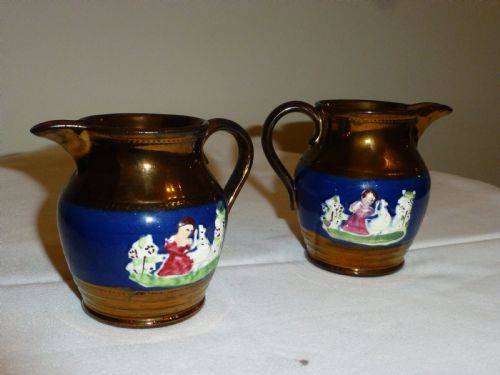

Victorian Cobalt Lustre
Victorian cobalt lustre brings striking colour and reflective metallic sheens to nineteenth-century tables, offering collectors rich nineteenth-century ceramics and glassware.
Victorian Cobalt Lustre
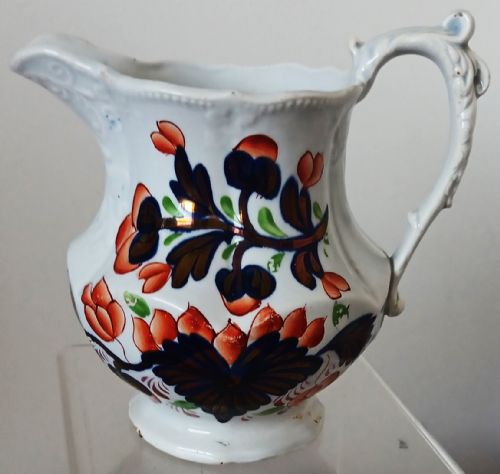
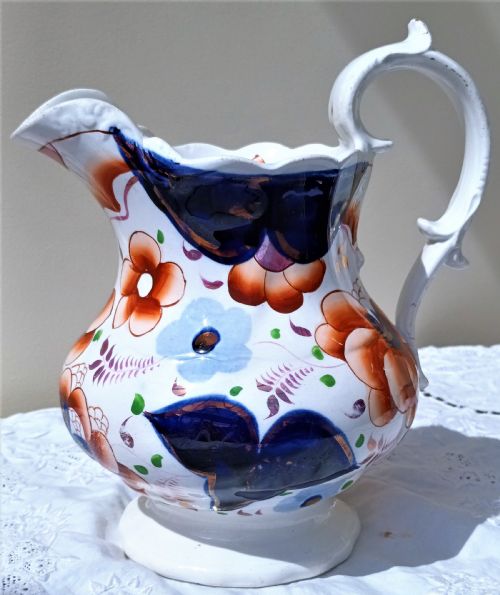
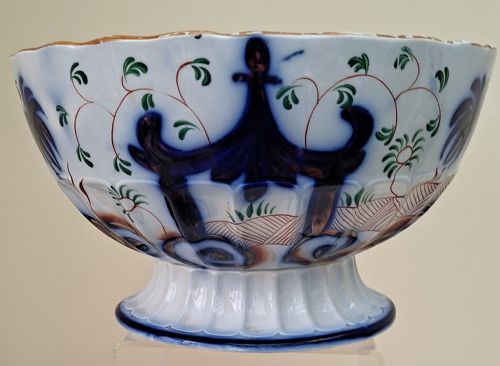
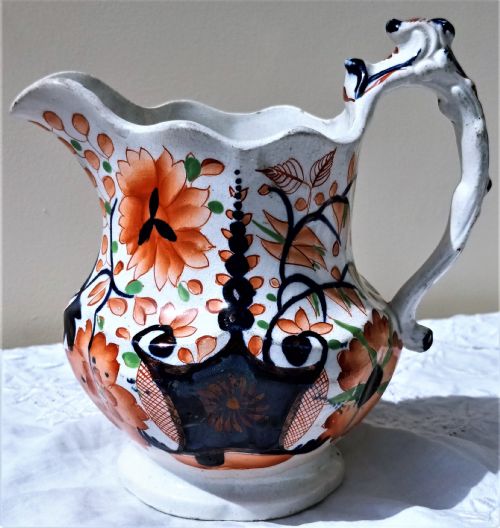
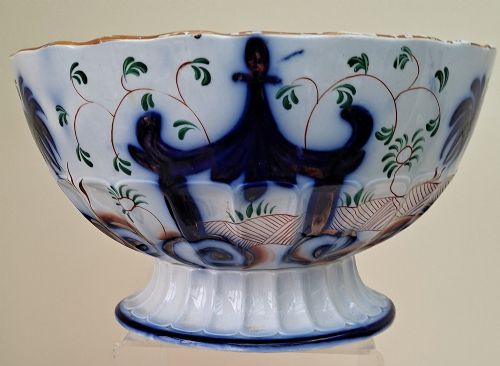
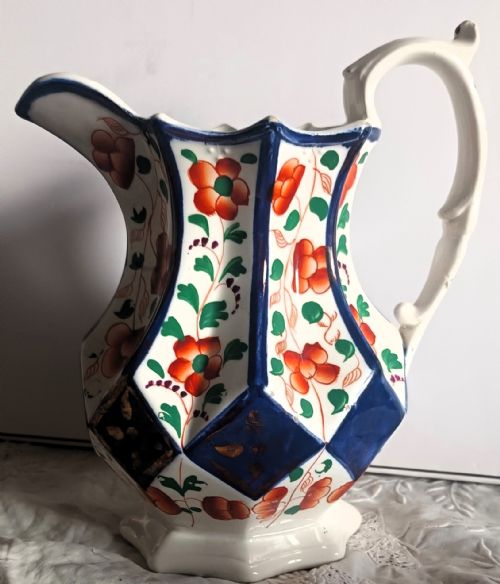
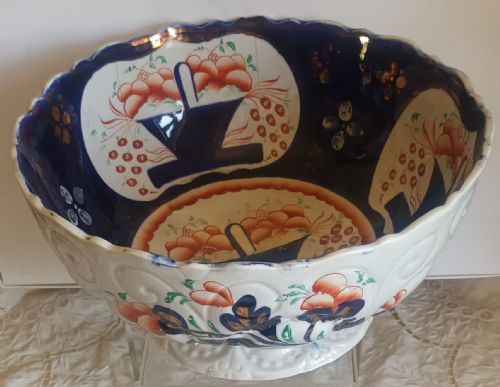
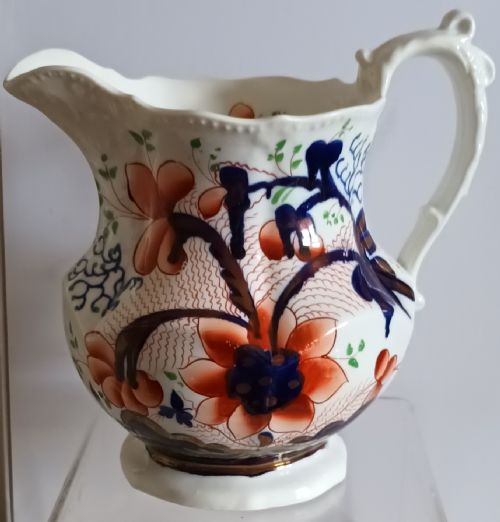
When you search for Victorian cobalt lustre, you encounter nineteenth-century pottery, earthenware, and glass pieces distinguished by deep blue glazes and metallic finishes. The selection here leans heavily towards nineteenth-century Gaudy Welsh pottery jugs and footed bowls bearing pattern names such as Pagoda, Harlech, and Grape, alongside Staffordshire copper lustre cream jugs.
Beyond earthenware vessels, the category encompasses nineteenth-century Bohemian overlay glass lustres, expanding the range of forms beyond standard kitchen and parlour pottery. These items stem from the nineteenth century, capturing the decorative tastes of both early Victorian folk art and domestic utility.
Materials and Making
The objects combine earthenware and ceramic bodies finished with cobalt glazes, enamel decoration, and copper lustre accents. Artisans shaped these pieces into jugs, pitchers, decorative bowls, and mantel lustres during the nineteenth century.
Glassmakers also produced nineteenth-century Bohemian overlay glass lustres, utilising layered glass techniques to achieve deep coloration and optical contrast. Each piece relies on traditional nineteenth-century kiln-firing and glazing methods to bond the metallic sheens to the ceramic or glass substrate.
Victorian Cobalt Lustre Retail Price Guide 2026
Typical asking prices for victorian cobalt lustre among the pieces listed under this phrase on Sellingantiques today, from the lower quarter to the upper quarter. They describe what is for sale here now, not the wider market.
Listings span the nineteenth century, uniting earthenware pottery, cobalt glazes, enamel decoration, and copper lustre.
Quality Variations
Quality rests in the precision of the hand-painted enamel patterns, such as the floral and architectural motifs seen on Gaudy Welsh earthenware. Crisp application of copper lustre and cobalt glaze distinguishes superior examples from simpler utilitarian output.
The clarity and depth of overlay in glass pieces also dictate the standard of the item, separating standard production from finer decorative specimens.
The Victorian Cobalt Lustre Glossary
- Cobalt glaze
- A ceramic coating containing cobalt oxide that produces a rich blue colour when fired in a kiln. This glaze forms the distinct background or decorative band on many nineteenth-century pieces.
- Copper lustre
- A metallic glaze technique that imparts a reflective, copper-like sheen to pottery surfaces. It is frequently applied in bands or highlights alongside enamel decoration.
- Gaudy Welsh
- A style of nineteenth-century pottery characterised by colourful hand-painted enamels, often incorporating cobalt blue, pink, and copper lustre details. Common patterns include named motifs like Grape and Pagoda.
- Overlay glass
- Glass made by fusing two or more distinct layers of different colours together before cutting through the top layer to reveal the colour beneath. This technique creates high-contrast decorative effects on mantel lustres.
- Mantel lustre
- A decorative ornamental vase or stand fitted with hanging glass prisms, designed to sit on a fireplace mantelpiece. These pieces reflect ambient light and showcase nineteenth-century glass craftsmanship.
Victorian Cobalt Lustre: Frequently Asked Questions
What is Victorian cobalt lustre?
Victorian cobalt lustre refers to nineteenth-century ceramics and glassware featuring deep blue glazes paired with reflective metallic sheens. These items primarily include pottery jugs, decorative bowls, and glass mantel lustres.
Most pieces originate from nineteenth-century British potteries and European glasshouses. They combine traditional earthenware bodies with hand-painted enamel patterns and copper lustre highlights.
How were these items used?
Many of these pieces served practical domestic functions as jugs, pitchers, and cream jugs for serving liquids at the table. Other forms, such as footed bowls and mantel lustres, were purely decorative.
Glass lustres sat upon parlour mantelpieces to catch the flicker of candlelight and daylight. Earthenware jugs displayed vibrant colours on dresser shelves when not in active service.
How do I care for these pieces?
These nineteenth-century items require gentle hand washing using mild soap and lukewarm water to protect their delicate enamel decorations and metallic lustre finishes. Dishwashers and harsh abrasives will damage the surface.
Display them away from direct, prolonged sunlight to prevent the hand-painted enamel colours from fading over time. Handle glass mantel lustres with care to avoid chipping the hanging prisms.
How do I identify the period?
Dating relies on recognising nineteenth-century material compositions, typical potting weights, and traditional pattern names associated with Staffordshire and Gaudy Welsh makers. Earthenware bodies from this era feel substantial and display period-specific glazing characteristics.
Examining the base of a jug or bowl often reveals unglazed clay rings and manufacturing marks typical of nineteenth-century kilns. Stylistic motifs like the Pagoda or Harlech patterns further anchor pieces firmly within the Victorian era.