
Victorian Classical Figure
A victorian classical figure brings the enduring mythologies and sculptural ideals of antiquity directly into nineteenth-century interiors.
Victorian Classical Figure
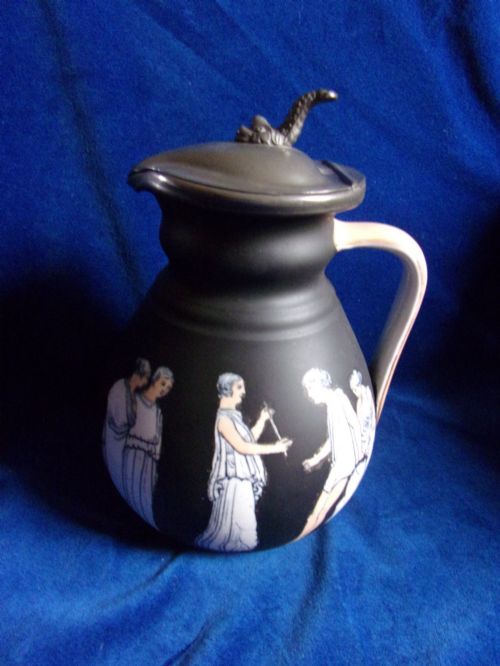
When you examine a victorian classical figure, you encounter works produced predominantly during the nineteenth century that draw heavily upon Greek and Roman mythology, history, and neoclassical design principles. The forms range widely across sculptures, busts, figurines, and mixed-media studies depicting cherubs, muses, historical figures, and allegorical subjects.
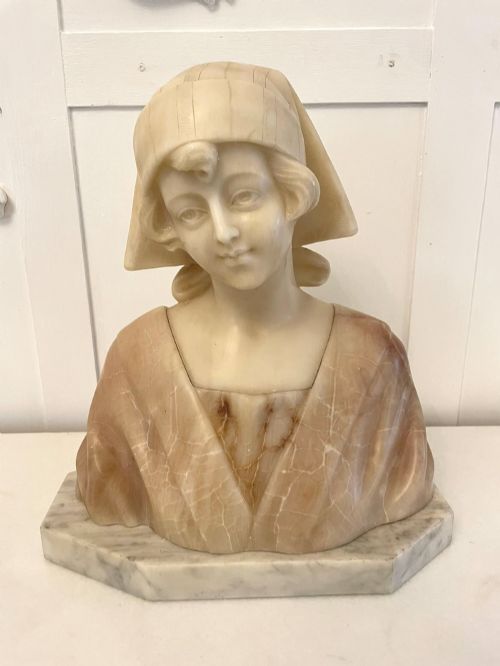
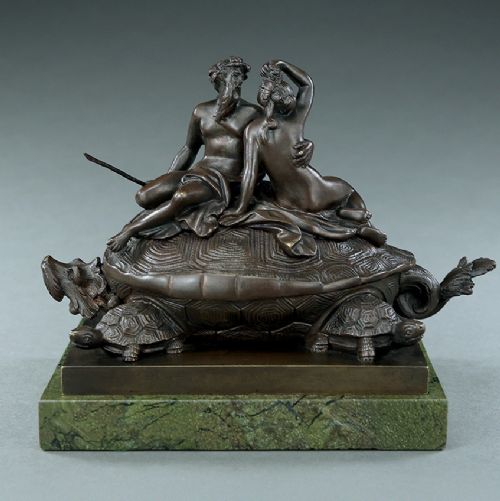
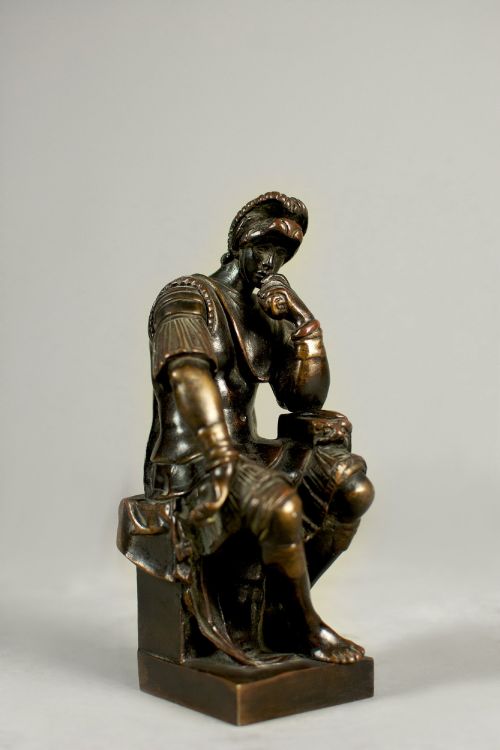
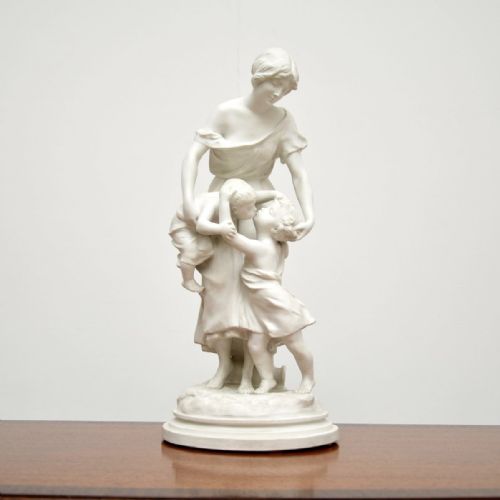
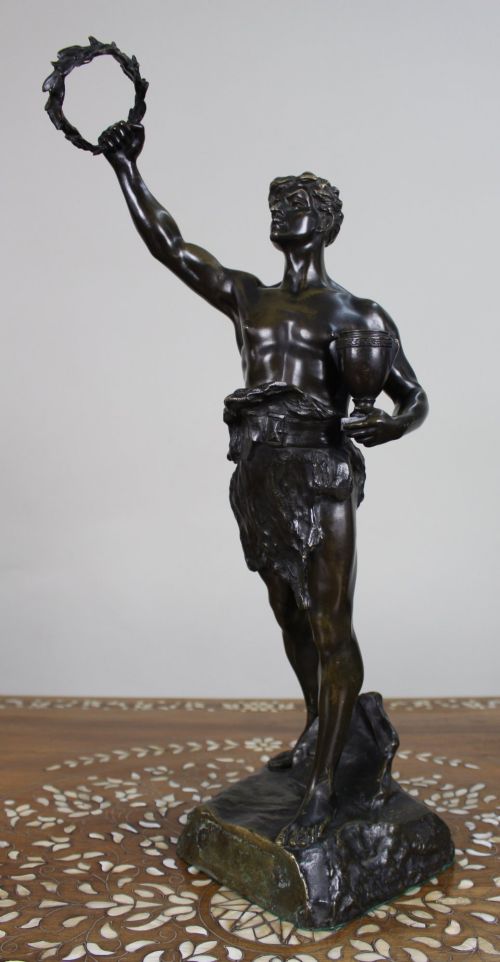
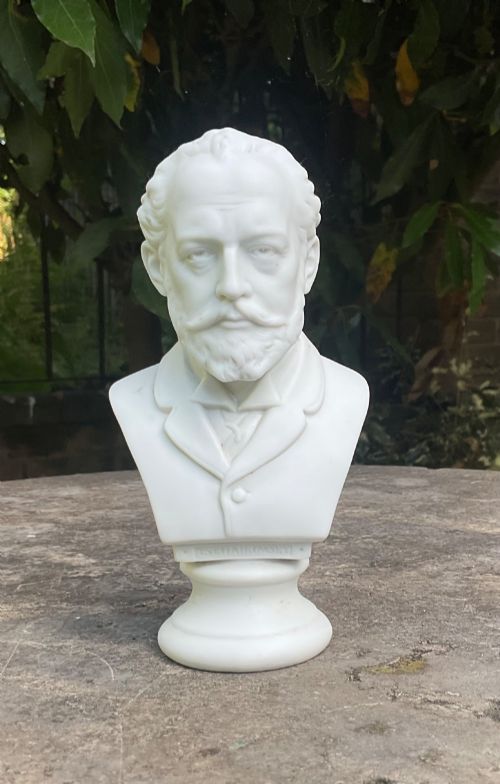
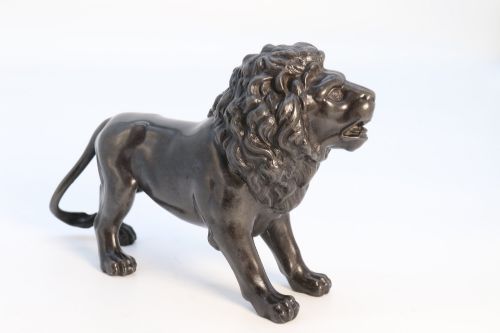
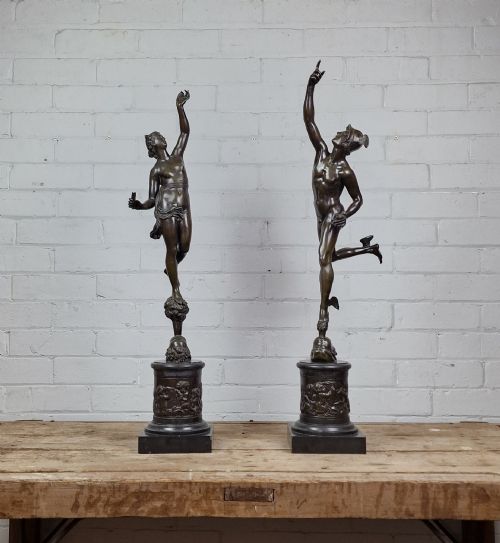
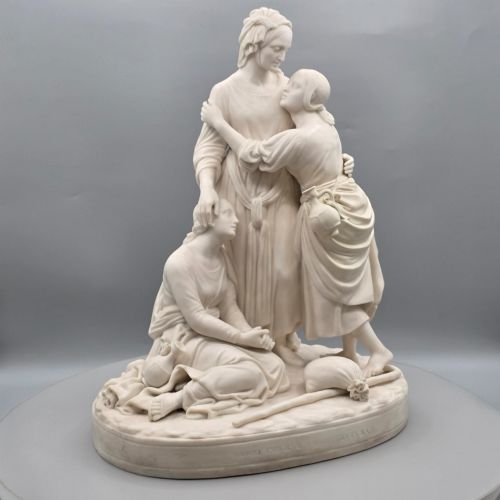
The versions most commonly met on this page include bronze castings, parian porcelain studies, and carved marble pieces originating from English, French, and Italian workshops. These items often reflect the taste for Grand Tour souvenirs and classical revivals that dominated nineteenth-century interior ornamentation.
How they were made
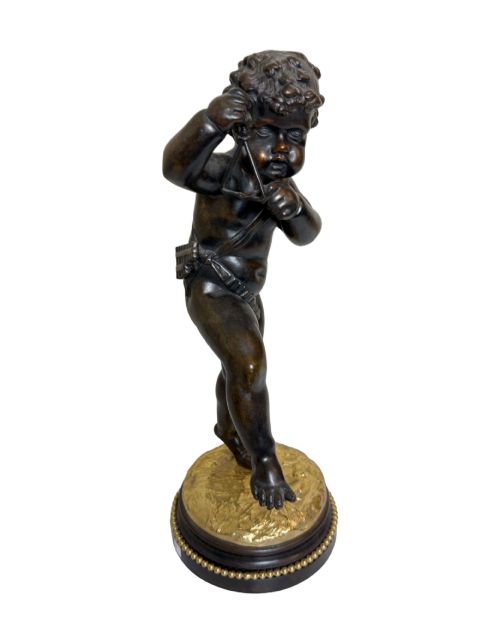
Makers utilised traditional casting methods for metals, producing patinated and gilt bronze or spelter figures often finished with meticulous hand-chasing. Parian porcelain was poured into multi-part moulds to achieve the matte, marble-like surface texture characteristic of classical figures from this era.
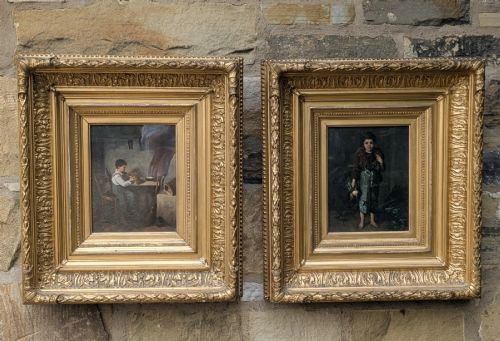
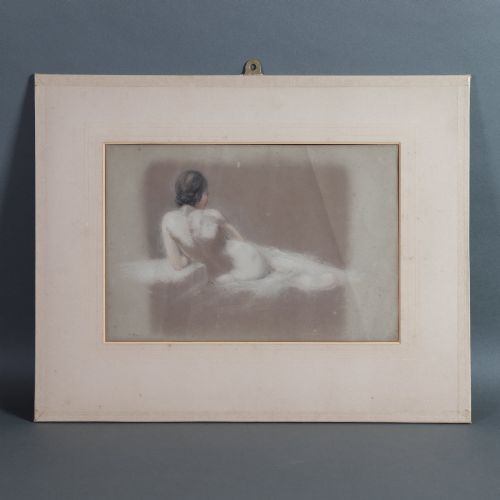
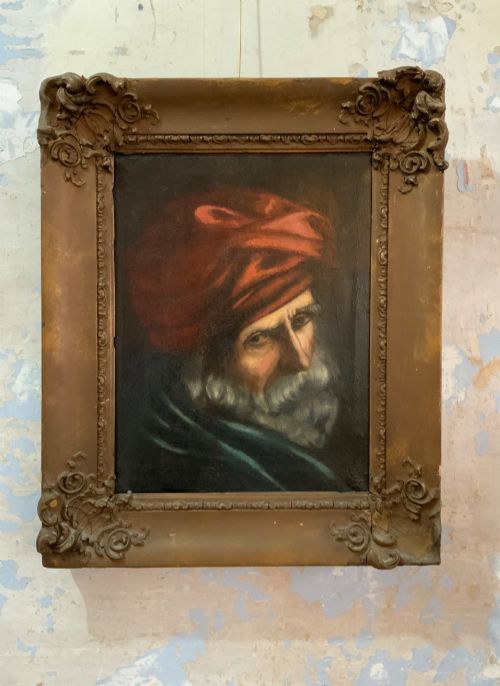
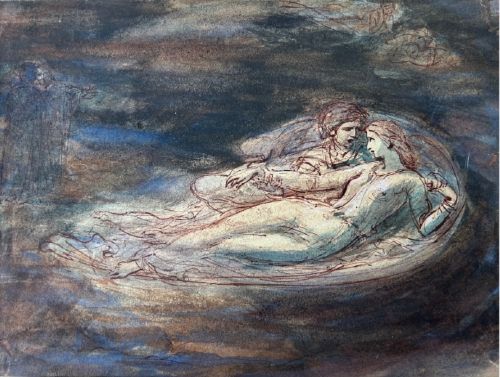
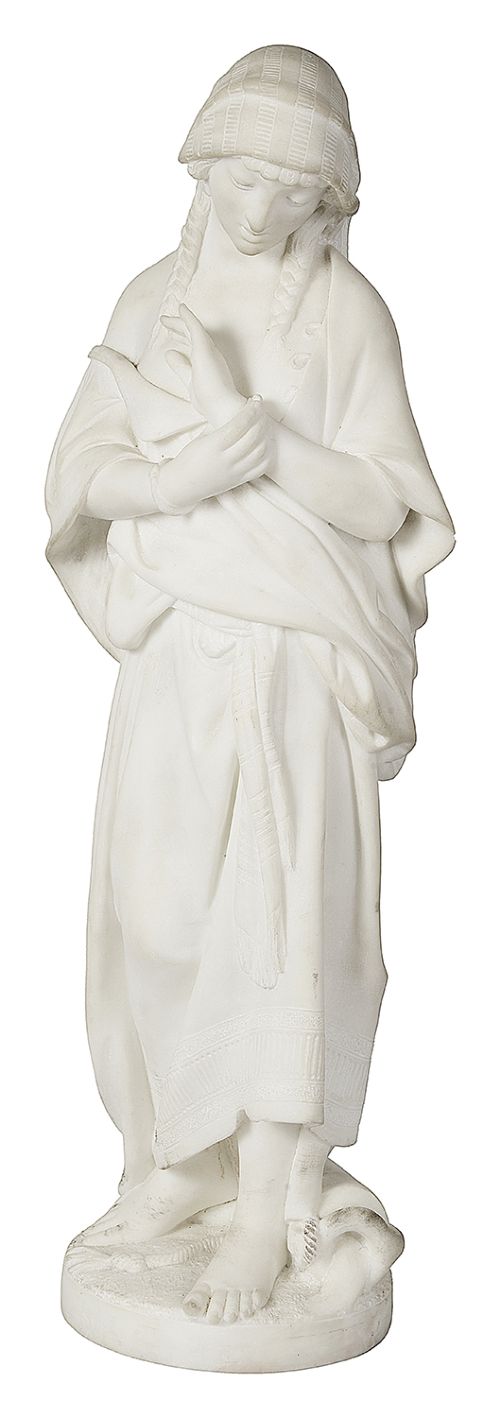
Carved marble and alabaster pieces required skilled hand-chiselling and polishing to render the soft drapery and anatomical details associated with classical sculpture. Other works combine oil paint, terracotta, plaster, and ink on paper to interpret classical subjects through painting and drawing.
A bronze winged putto happily sharing space with a loyal spaniel dog captures nineteenth-century domestic sentiment at its most charming.
What varies in quality
The distinction between tiers of work rests on the precision of the casting or carving, where finer examples preserve crisp facial expressions, subtle muscle definition, and clean drapery folds. Superior bronze castings show minimal surface pitting and retain original patination, whereas lesser items display softer details and hurried finishing.
Signatures from established sculptors or renowned factories like Minton, Copeland, and Royal Worcester elevate a piece through documented artistry and superior material composition. The depth of historical research behind a subject, such as specific mythological figures or accurate Grand Tour derivations, further separates standard decorative items from masterworks.
Lemoyne·William Etty·Barranti·August Moreau·Hamo Thornycroft·Theodore Jensen·James Hadley·Dopmeier
The Victorian Classical Figure Glossary
- Parian
- A fine-grained, unglazed porcelain developed in the nineteenth century to imitate carved white marble. It became widely used for statuettes and portrait busts.
- Grand Tour
- A traditional trip through Europe undertaken by upper-class young men to absorb classical art and culture. It generated a steady demand for portable classical figures and bronzes.
- Spelter
- A zinc alloy frequently utilised as a less expensive substitute for bronze in nineteenth-century figure production. It often received a bronze-like patinated finish.
- Patination
- The surface coloration, sheen, or chemical layer that develops on bronze and other metals over time or through artificial chemical treatments. It adds depth and visual warmth to sculptural details.
- Neoclassical
- A style spanning the eighteenth and nineteenth centuries that revived the aesthetic and structural ideals of ancient Greece and Rome. It emphasises symmetry, proportion, and classical themes.
Victorian Classical Figure: Frequently Asked Questions
What materials were used for these figures?
Makers employed a diverse range of materials including bronze, patinated bronze, marble, alabaster, parian porcelain, terracotta, chalk, and plaster. Each medium required distinct techniques such as metal casting, mould-pressing, or hand-carving.
Artists also applied these materials to oil paintings, watercolours, and drawings depicting classical subjects. The choice of medium often reflected the intended setting and the prevailing tastes of nineteenth-century collectors.
How do I identify a Grand Tour piece?
Grand Tour pieces typically represent reduced-scale copies of famous ancient Roman or Greek sculptures encountered by travellers in Italy. They serve as tangible records of nineteenth-century European travel and education.
These items frequently appear in bronze, marble, or terracotta, often mounted on bespoke stone or marble bases. Their subjects lean heavily toward well-known mythological figures, emperors, and classical architectural models.
Where were these classical figures displayed?
Nineteenth-century owners placed these sculptures and busts upon mantelpieces, library tables, pedestals, and specialised display cabinets. They functioned as both decorative ornaments and symbols of classical erudition.
Pairs of figures often balanced the composition of a fireplace or sideboard, while table lamps integrated classical porcelain and bronze figures into everyday domestic lighting.
How can I distinguish parian porcelain from marble?
Parian porcelain possesses a smooth, unglazed matte finish specifically engineered to emulate the soft translucency of carved white marble without the heavy weight. Unlike natural stone, parian pieces show the seams of the original multi-part moulds used during production.
Examining the underside or interior surfaces often reveals the characteristic porcelain body and factory marks. Marble displays natural veining and crystalline structure under magnification, whereas parian remains uniform throughout.