

Victorian Classical Bronzes
Victorian classical bronzes bring the monumental sculpture and ornament of antiquity into nineteenth-century interiors.
Victorian Classical Bronzes
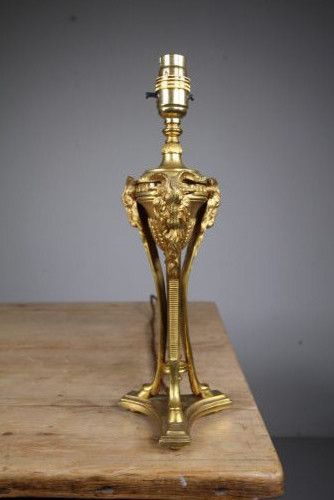
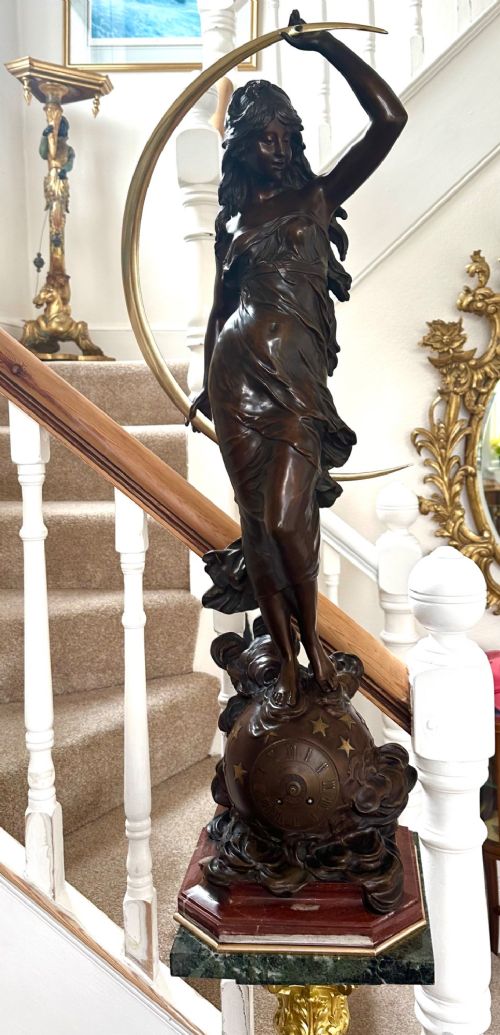
Victorian classical bronzes encompass nineteenth-century sculptures, mantel clocks, table lamps, and decorative urns shaped by neoclassical and Grand Tour influences. These items draw directly from ancient Greek, Roman, and Renaissance models, reflecting the period's fascination with classical antiquity.
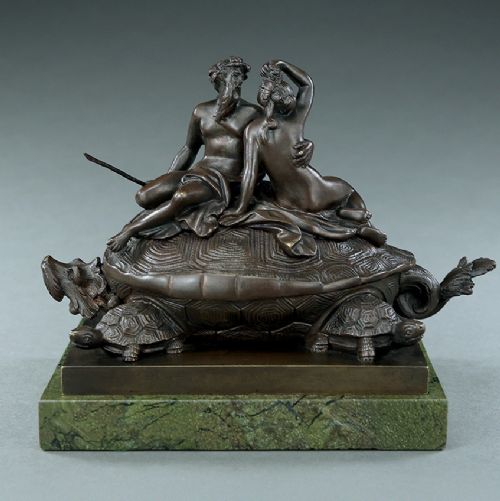
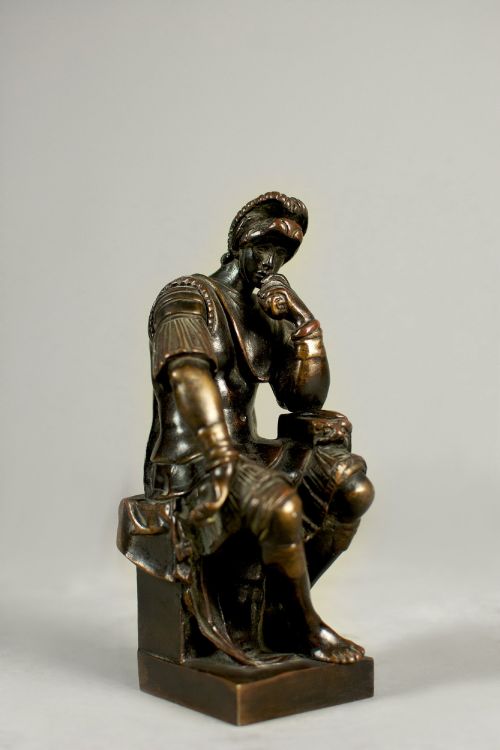
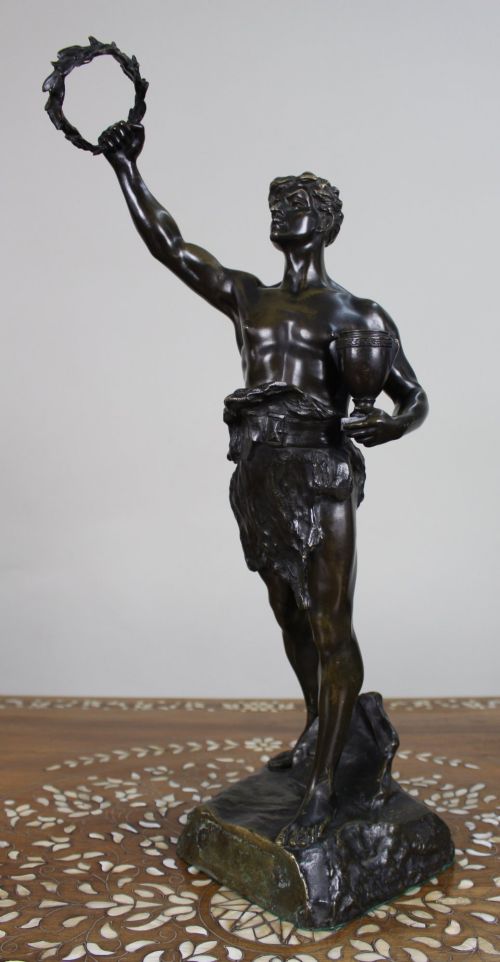
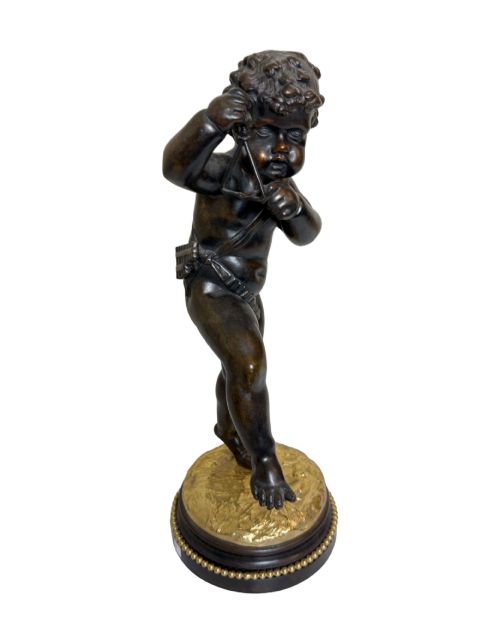
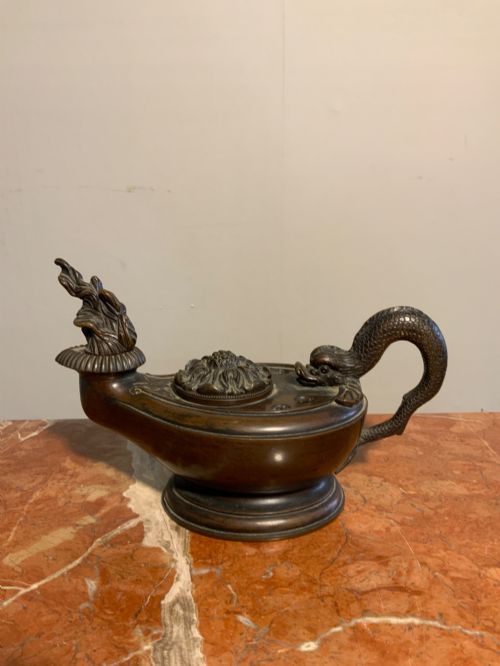
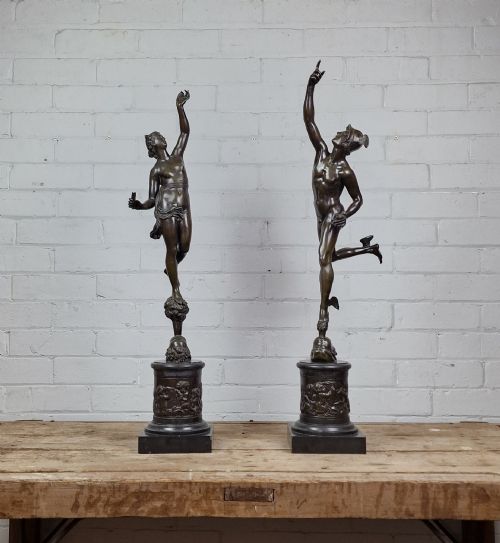
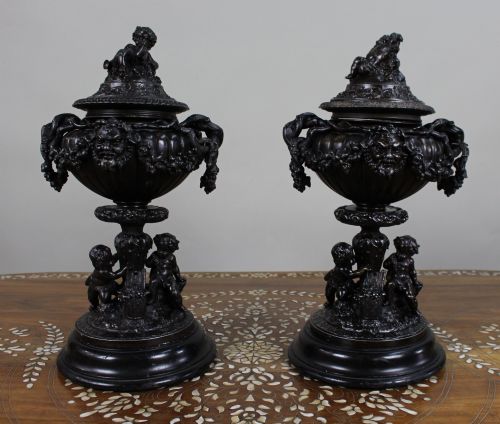
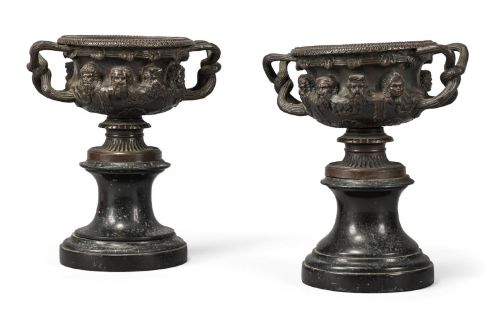
The objects frequently take the form of reductions of famous antique statues, mythological figures such as Mercury and Fortuna, portrait busts of Caesars, and architectural elements like the Warwick vase. Figures of cherubs, putti, and classical deities appear regularly alongside functional items like inkwells, candelabras, and standard lamps.
Most examples originate from the broader nineteenth century, with specific pieces dated across the 1860s, 1870s, 1880s, 1890s, and 1900s. French workshops and English makers both contributed significantly to this repertoire, often pairing bronze with marble bases, ormolu mounts, and gilt brass details.
How they were made
Foundries utilised traditional metalcasting techniques to produce these figures and decorative objects, frequently employing the lost-wax method or sand-casting for intricate detail. The primary metal, bronze, received various surface treatments to alter its appearance, resulting in dark patinated finishes, gilt highlights, and ormolu mounts.
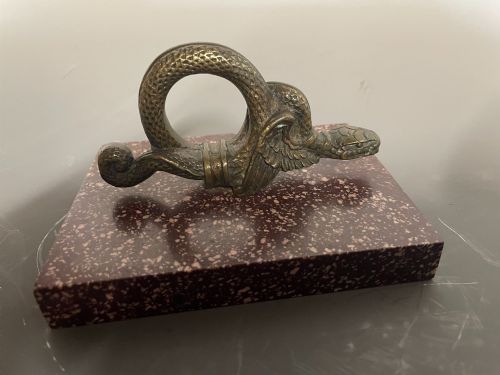
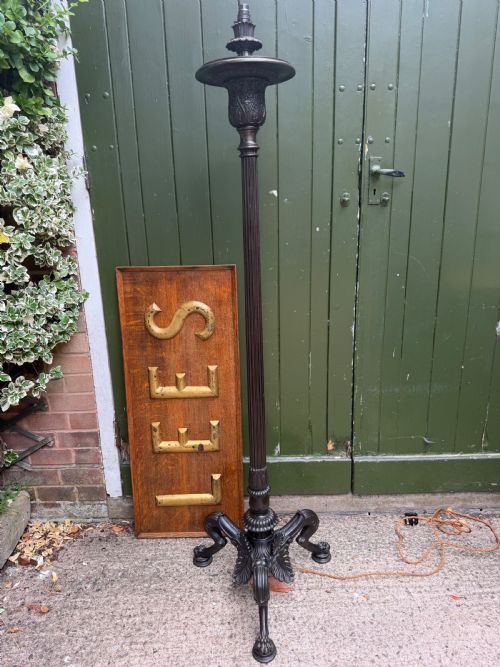
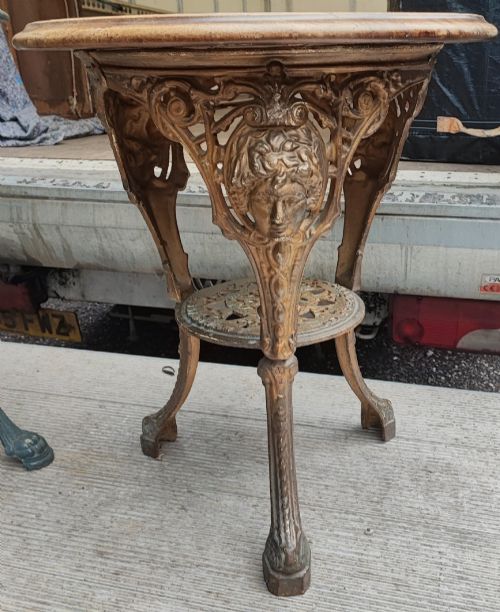
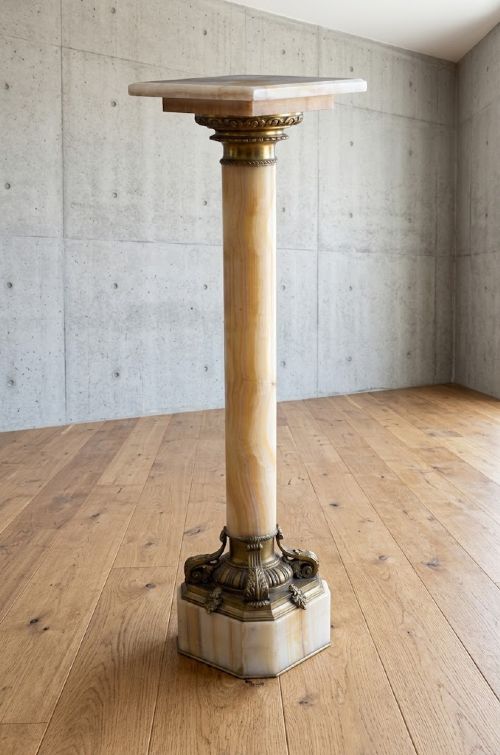
Makers integrated mixed media into their designs by mounting metal figures onto rouge marble, white marble, and onyx bases or columns. Alternative base metals such as cast iron and spelter also served as substitute materials for larger standard lamps, door knockers, and decorative urns.
Listings feature items from the 19th Century, Victorian period, and early 20th century up to 1920, utilising bronze, marble, ormolu, brass, cast iron, and wood.
What varies in quality
The quality of the patination and the selection of secondary materials heavily influence the overall standard of the object. Rich, stable patination combined with genuine ornamental stones like rouge marble or finely chased ormolu collars distinguishes the top tier of nineteenth-century metalwork.
Lemoyne·August Moreau·Hamo Thornycroft·Dopmeier·Mainfroy
The Victorian Classical Bronzes Glossary
- Patination
- The surface coloration and treatment applied to metal through chemical means or natural ageing. A dark patinated bronze often displays subtle tonal shifts across its drapery and musculature.
- Grand Tour
- A cultural journey across Europe undertaken by nineteenth-century travellers who collected small-scale classical bronzes and reductions of ancient monuments as souvenirs. These reductions mirror famous museum pieces from Italy and France.
- Ormolu
- Gilding technique involving the application of finely ground high-carat gold to a bronze object using a mercury amalgam. This process creates a bright, durable golden surface on decorative mounts and candelabras.
- Spelter
- A zinc alloy frequently utilised as a less expensive alternative to bronze for nineteenth-century figures and urns. It often carries a bronze-coloured finish designed to imitate the heavier metal.
- Reduction
- A scale copy of a larger public sculpture or ancient monument, produced in bronze for domestic display. These reduced figures allowed collectors to house miniature versions of classical antiquities within a study or drawing room.
Victorian Classical Bronzes: Frequently Asked Questions
What is a Grand Tour bronze?
A Grand Tour bronze is a nineteenth-century miniature sculpture or reduction of a famous classical antiquity, purchased by travellers visiting European cultural sites.
These pieces served as portable mementos of classical art, capturing ancient forms like the Warwick vase or figures of mythological deities for home display.
How can I tell bronze from spelter?
Bronze is a heavy, durable copper alloy that takes a deep, stable patination and rings with a resonant tone when struck gently. Spelter is a softer, lighter zinc-based metal that feels cooler and more brittle.
Underneath the surface coating, spelter reveals a silvery-grey metal colour where wear occurs, whereas bronze displays a warm reddish-brown tone.
Where were these classical pieces displayed?
Victorian households positioned these items across mantelpieces, libraries, and studies as focal points of refined taste and classical learning. Figures, clocks, and candelabras occupied prominent spots on marble topped tables and architectural columns.
Functional objects like inkwells and door knockers integrated classical design directly into the working areas of the home.
What materials accompany the bronze?
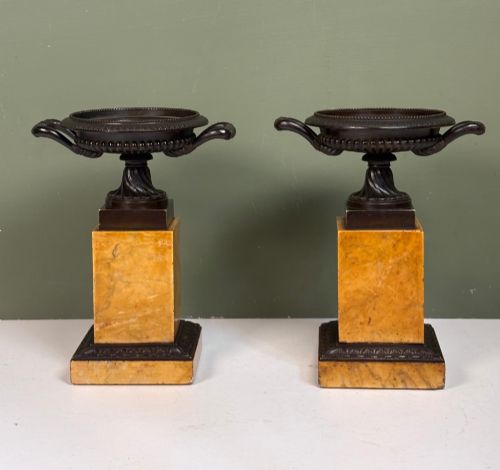
Nineteenth-century makers frequently mounted bronze figures and ornaments on bases made of rouge marble, white marble, and onyx. Ormolu and gilt brass accents also appear on clocks, candelabras, and decorative tazza vases.
Some larger architectural items utilise cast iron or patinated chalk alongside the primary metal components.