



Victorian City Painting
A victorian city painting captures bustling streets, moonlit canals and urban landmarks across the nineteenth and early twentieth centuries.
Victorian City Painting
A victorian city painting brings historic streets, canals and riverbanks into focus through the mediums of oil and watercolour. These works record urban life and architecture from the nineteenth century and the decades immediately following.
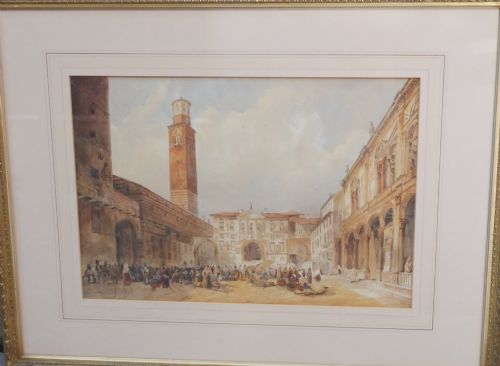
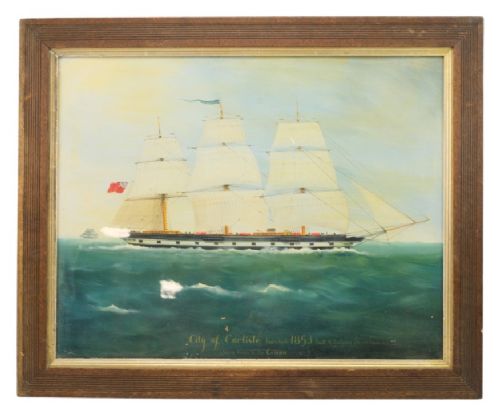
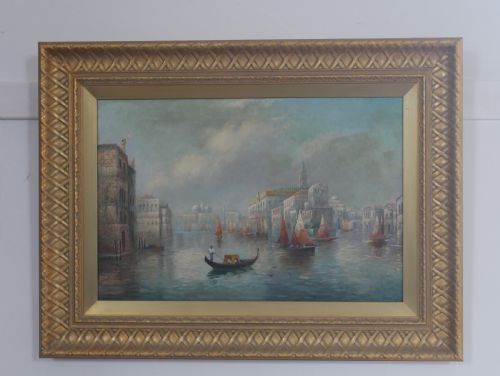
The most common subjects on this page include Venetian canals, London landmarks such as the Thames and St Pauls Cathedral, and provincial street scenes from York and Carlisle. Painters deployed oil on canvas, paper and board to render these metropolitan views.
Examples range from expansive townscape compositions featuring cathedrals and grand monuments down to intimate genre watercolours of cab ranks and moonlit street corners. Collectors encounter both British and continental settings within these frames.
Distinctions in craftsmanship
Quality rests upon the artist's command of perspective, light and architectural detail when rendering complex urban environments. Works by recognised painters exhibit superior handling of atmosphere, particularly in nocturnal or maritime townscapes.
The sophistication of the composition and the preservation of the original canvas, paper and frame dictate the standing of an individual piece. Finer examples maintain crisp brushwork and retain authentic gilt surrounds.
Victorian City Painting Retail Price Guide 2026
Typical asking prices for victorian city painting among the pieces listed under this phrase on Sellingantiques today, from the lower quarter to the upper quarter. They describe what is for sale here now, not the wider market.
Listings feature works from the 1860s through the 1960s, executed in oil, watercolour and ink on paper or canvas.
Albert Ludovici Jnr·William Manners·A. G. Hayward·Walter Meegan·Alfred Pollentine·Jane Vivian·Frances E Nesbitt·Tom Dudley·Matthew Hale·Walter Duncan·Henry Schafer
The Victorian City Painting Glossary
- Watercolour painting
- A work executed with water-soluble pigments on paper supports. This medium allows for luminous washes and delicate architectural line work.
- Oil on canvas
- Pigment bound in drying oil applied to a stretched woven fabric. This technique offers rich colour saturation and varied surface texture.
- Townscape
- A painting depicting an urban landscape or city view. These compositions focus on streets, buildings, bridges and waterways.
- Genre watercolour
- A watercolour painting depicting scenes from everyday life. These works often show figures engaged in routine urban activities.
- Gold leaf
- Gold beaten into extremely thin sheets used for gilding frames. This material adds a reflective metallic border to the artwork.
Victorian City Painting: Frequently Asked Questions
How do I date a city painting?
Examine the clothing of figures, the architecture depicted and any signature or documentation provided on the reverse. Clothing styles and street transport often narrow the decade of creation.
Material analysis of the canvas, stretcher frames and paper provides further clues to the period of production.
Where should I hang a townscape?
These works suit reception rooms, studies or hallways where adequate indirect lighting preserves the pigments. Keep them away from direct sunlight to protect watercolours and oils.
Pairing a framed urban view with traditional interior decor highlights the historical character of the artwork.
What is the difference between oil and watercolour?
Oils use pigment suspended in drying oil on canvas, yielding a textured and durable surface. Watercolours apply water-soluble paint to paper, creating a lighter and more translucent finish.
Both mediums were popular for capturing nineteenth-century urban views but offer distinct visual qualities.
Are these paintings signed by the artist?
Many works bear signatures or monograms from the painter, while others remain attributed to specific schools or circles. Unsigned pieces are often identified by subject matter, technique and historical record.
Signatures can appear discreetly in the lower corners of the canvas or paper.