

Victorian Circular Side Table
When looking for a victorian circular side table, you encounter small occasional pieces designed to sit beside a chair or in the centre of a room.
Victorian Circular Side Table
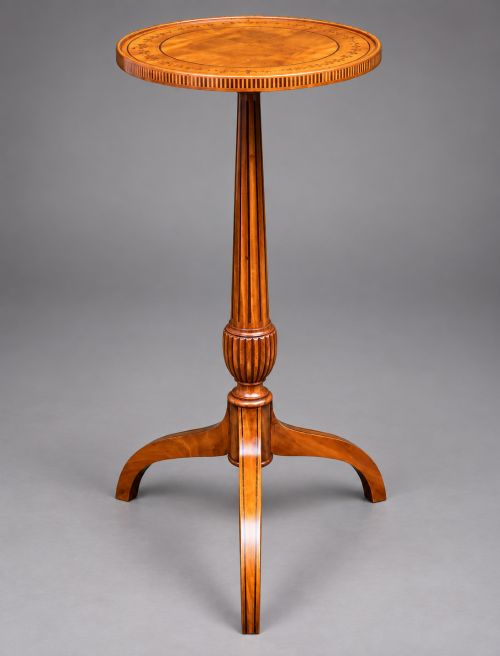
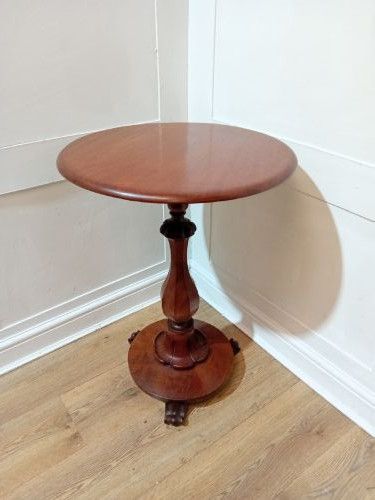
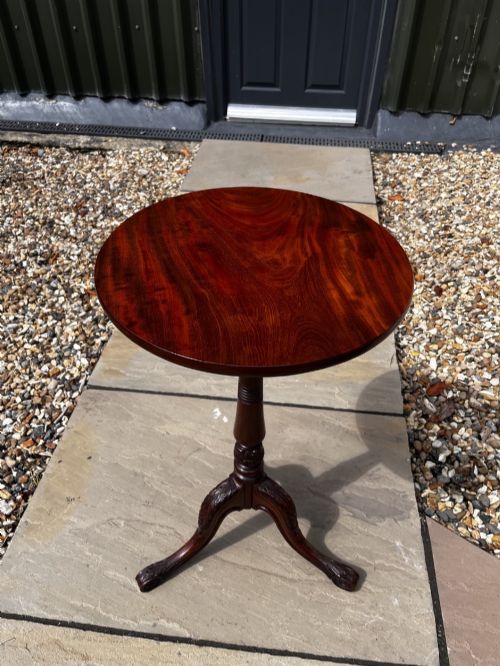
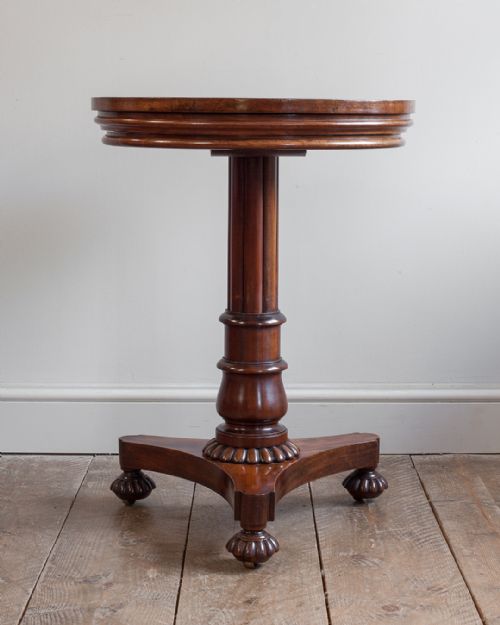
A victorian circular side table serves multiple functions across nineteenth century interiors, appearing as lamp tables, wine tables, and occasional stands. The form adapts to domestic spaces through pedestal bases and tripod supports that allow placement in tight corners or beside seating.
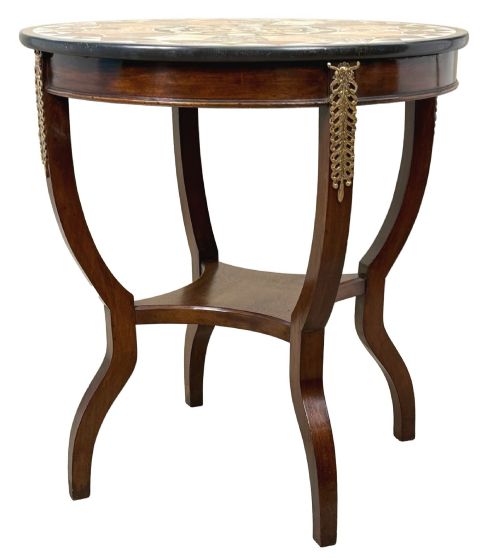
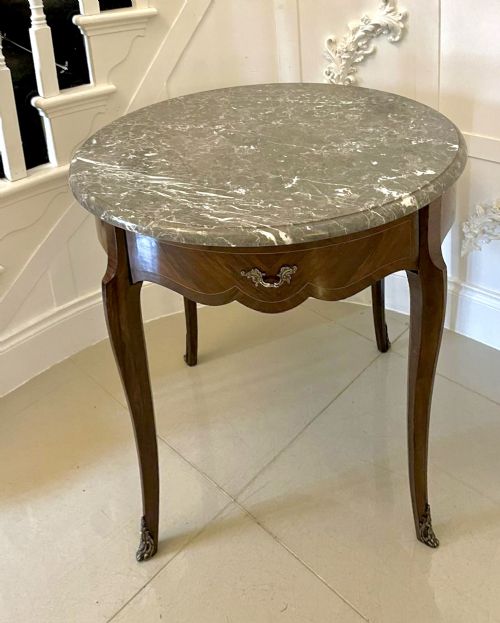
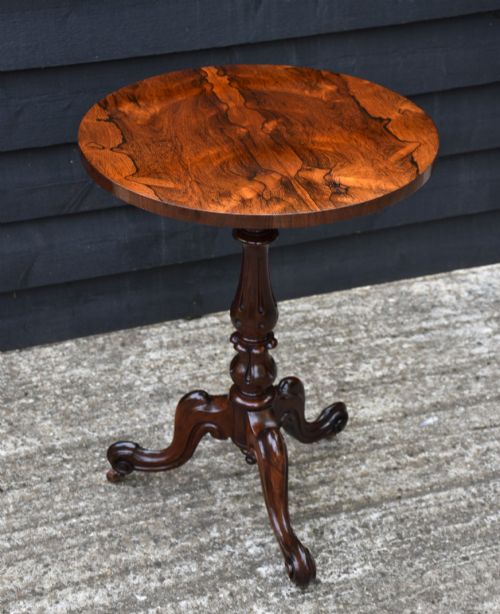
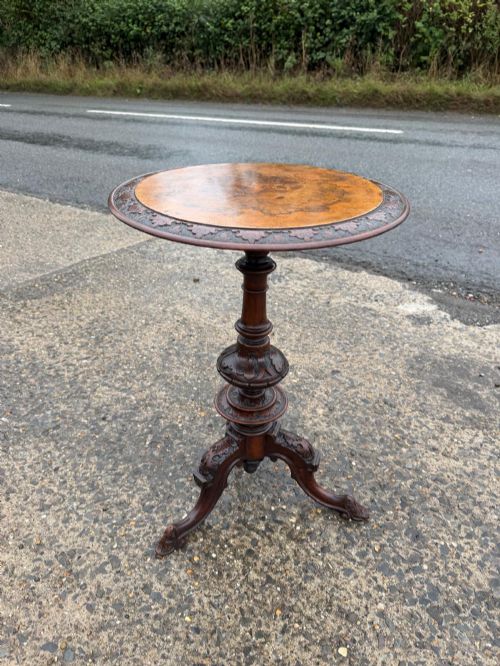
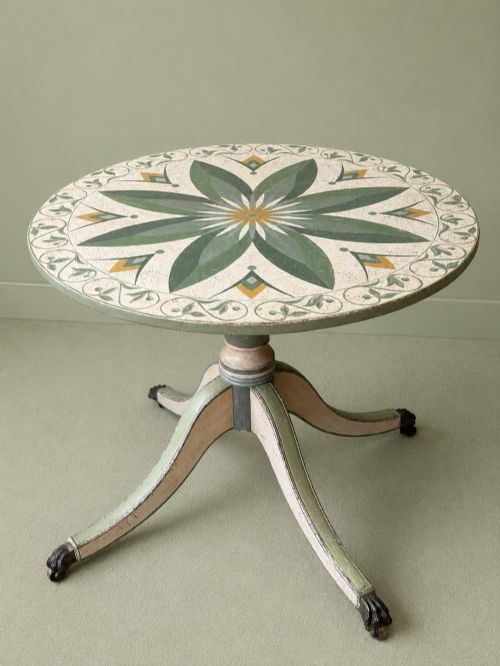
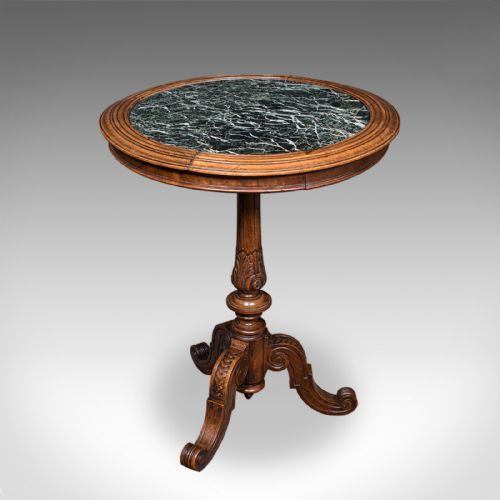
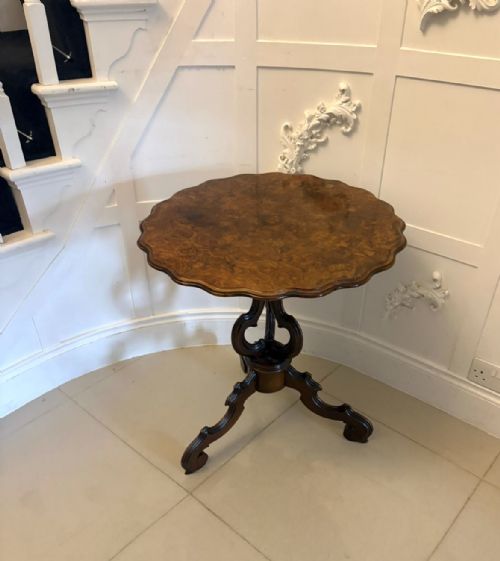
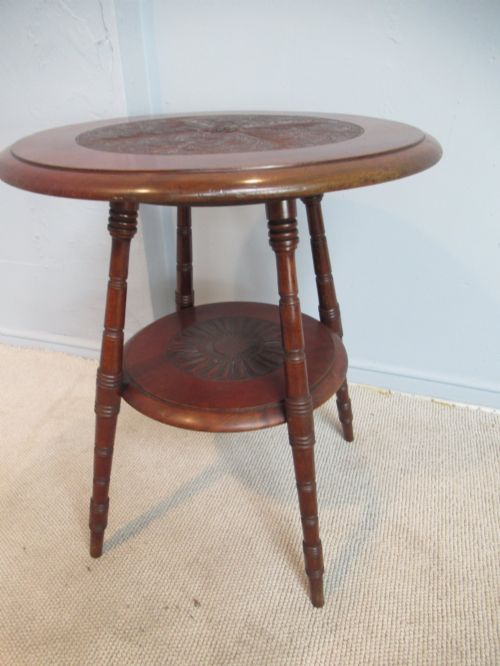
Mahogany and walnut examples dominate the selection, often featuring turned pedestals or barley twist columns. Rosewood and burr walnut appear frequently in finer parlour pieces, while occasional specimens incorporate marble tops or painted decoration.
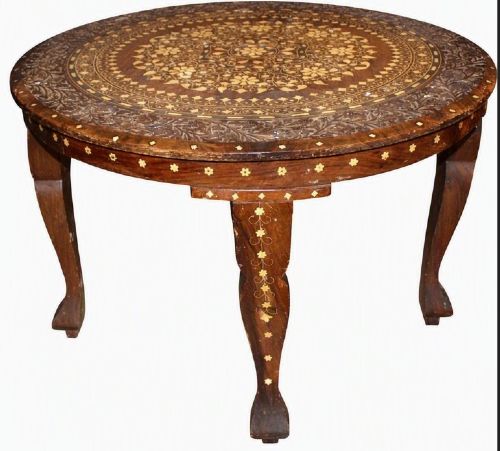
Design influences range from plain utilitarian tripod tables to elaborate French Rococo and Aesthetic Movement models. Anglo-Indian carved tables introduce bone inlay and regional timbers such as padouk to the standard circular format.
How They Were Made
Cabinet makers utilised solid timbers alongside veneered surfaces, laying burr walnut or mahogany veneers over stable secondary woods for decorative tops. Turning lathes shaped the central pedestals and tripod legs, which typically joined the column with dovetail or tenon joints.
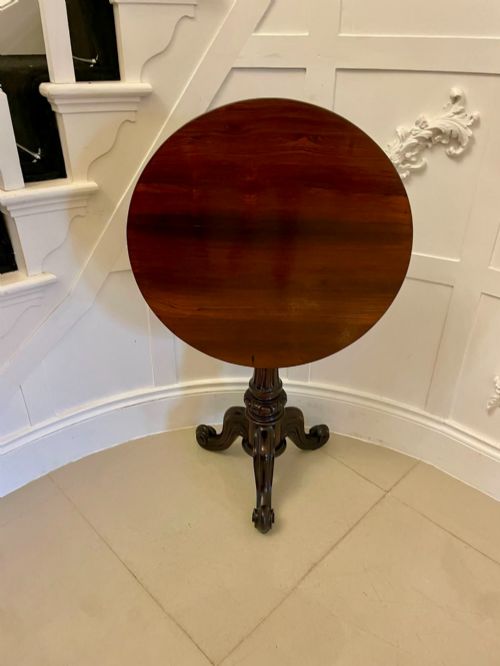
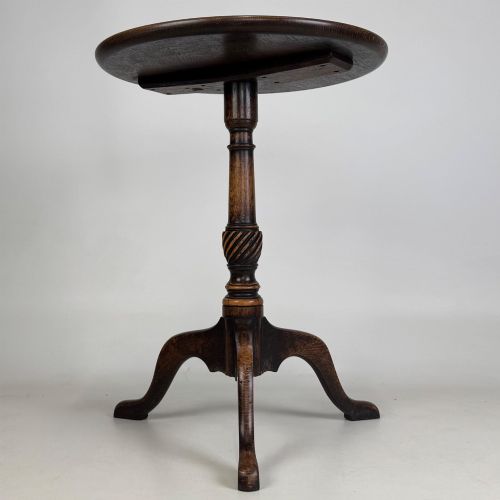
Tilt top mechanisms employ brass catches and wooden blocks to allow the tabletop to fold vertically when not in use. Inlaid tables incorporate bone or contrasting wood stringing hand-cut into recesses, while marble tops rest loose or secured upon heavy wooden frames.
Listings include timber varieties such as mahogany, walnut, rosewood, oak, birch, padouk, and burr walnut alongside inset marble surfaces.
What Varies in Quality
Timber selection dictates the distinction between standard utility furniture and high parlour pieces, with figured burr walnut and dense rosewood commanding greater attention than plain pine or secondary oak. The crispness of hand carving on tripod legs and pillar columns separates competent workshop production from mass manufacturing.
Structural integrity relies on the stability of the central boss and the tight fitting of leg joints. Tables with warped tops or loose pedestals indicate poor seasoning of the wood or rough handling over decades.
James Shoolbred·Liberty and Co
The Victorian Circular Side Table Glossary
- Tripod table
- A small freestanding table supported by three legs radiating from a central pillar. This construction prevents wobbling on uneven nineteenth century floorboards.
- Tilt top
- A tabletop mounted on a hinge mechanism that rotates to a vertical position. This allows the piece to be stored flat against a wall when not in use.
- Specimen marble
- A top composed of various coloured marbles arranged in geometric patterns or pictorial designs. Italian workshops exported many such tops to British cabinet makers.
- Gypsy table
- A lightweight occasional table with three slender legs and a fabric or painted wooden top. These tables became popular during the Aesthetic Movement.
- Barley twist
- A column carved in a spiral shape resembling twisted barley sugar. This decorative turning style appears frequently on nineteenth century furniture supports.
Victorian Circular Side Table: Frequently Asked Questions
What is a tilt top table used for?
A tilt top table provides a convenient surface for lamps or drinks while offering the ability to fold flat. This storage method saved valuable floor space in Victorian drawing rooms.
Today, the tilting mechanism allows collectors to display the decorative wood grain of the tabletop against a wall when the table is not actively in use.
Where were these tables placed in a Victorian home?
These tables stood beside armchairs to hold books, sewing materials, or oil lamps. Larger versions often occupied the centre of a parlour to display decorative objects.
Smaller wine tables moved easily around the room to accommodate guests during evening tea or card games.
What distinguishes an Aesthetic Movement table?
Aesthetic Movement tables embrace simpler geometric lines and ebonised finishes influenced by Japanese design. They frequently reject heavy Victorian ornamentation in favour of understated elegance.
Painted floral motifs or stylized natural forms often decorate the circular tops of these specific occasional tables.