
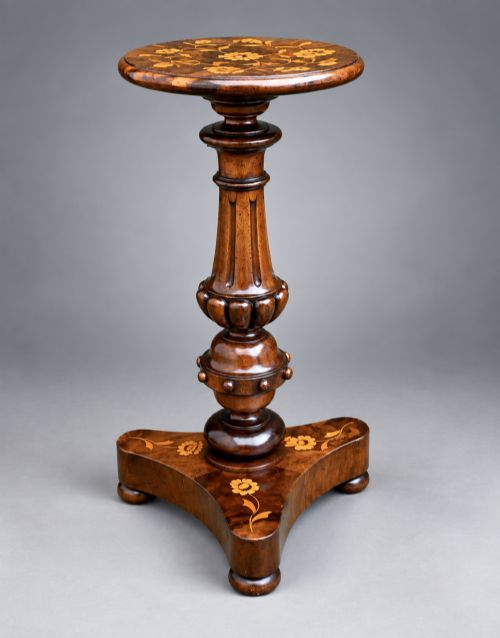
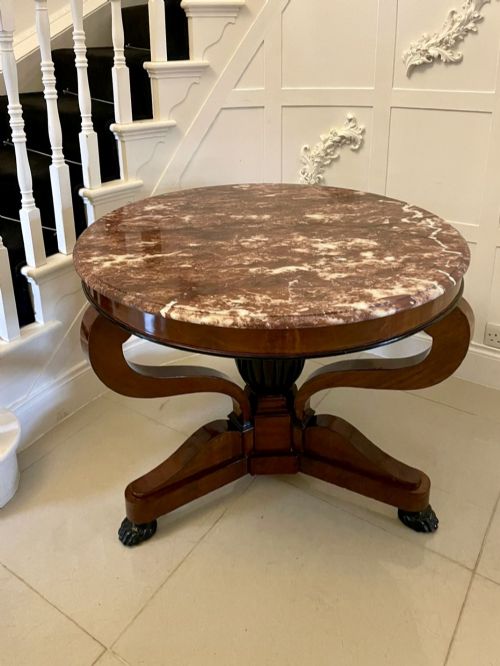
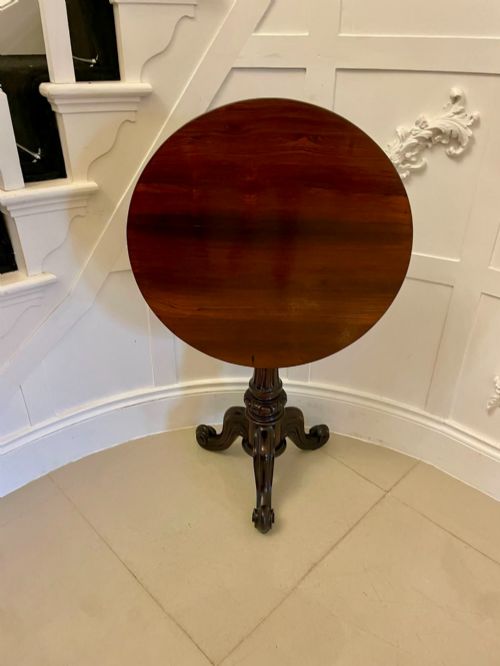


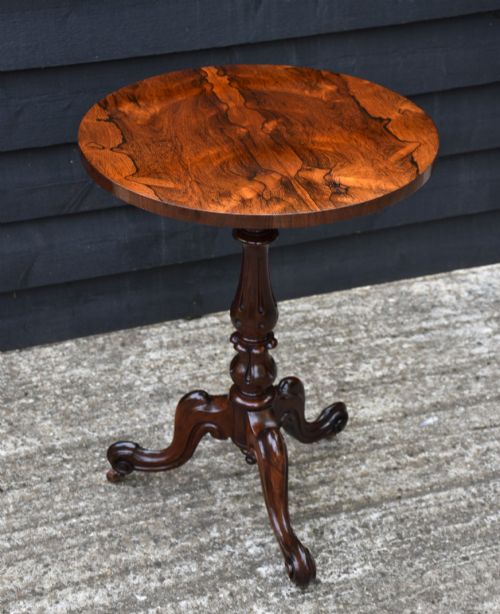
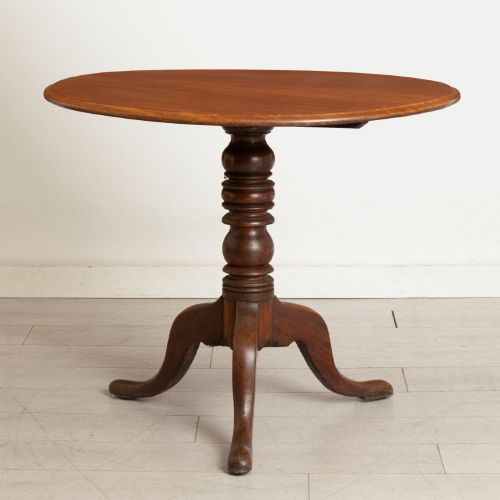
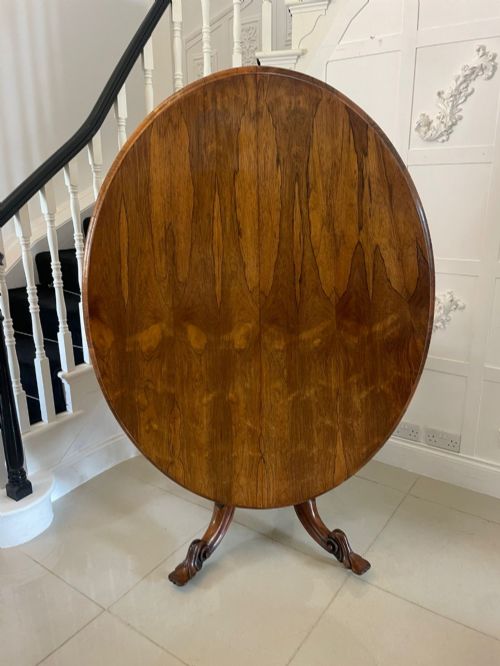
Victorian Circular Pedestal Table
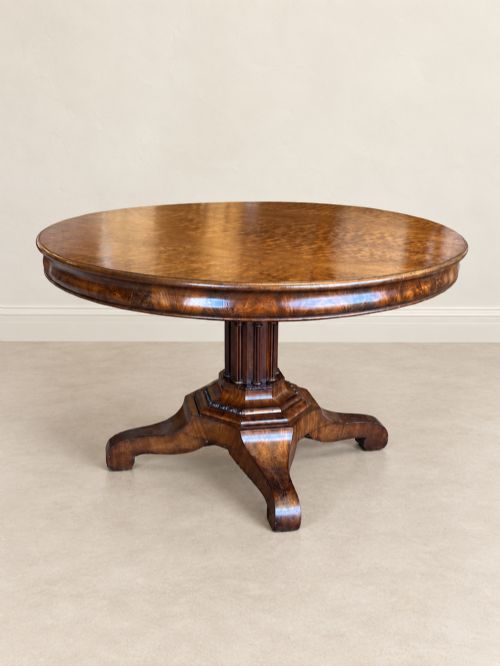
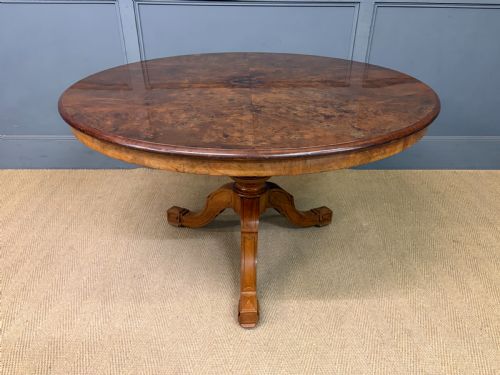
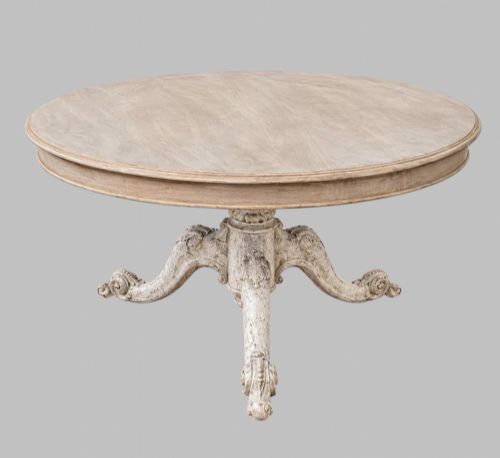
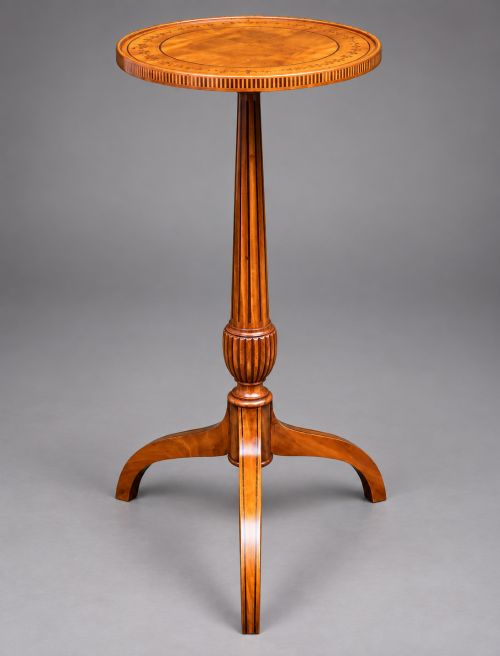
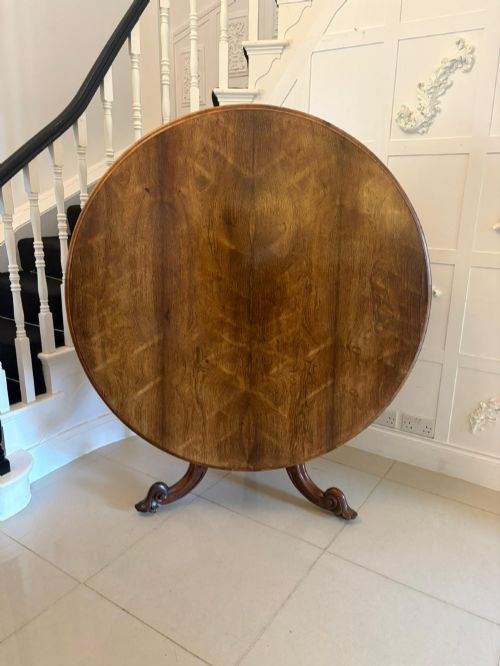
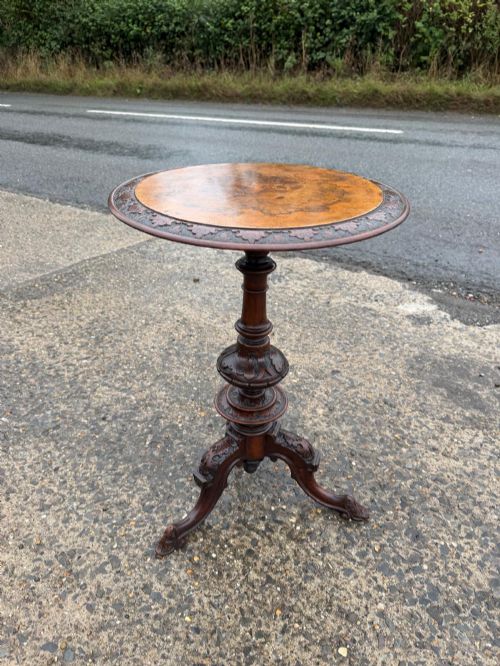
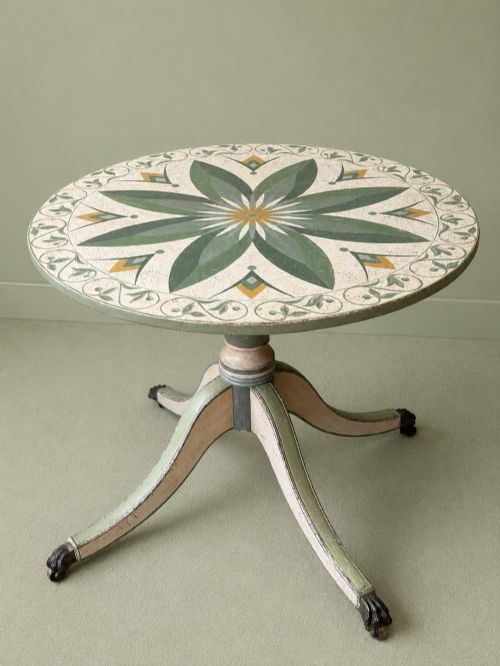
These Victorian circular pedestal table pieces are sturdy and decorative round surfaces supported by a single central column, sought after for their versatile placement and classic silhouette.
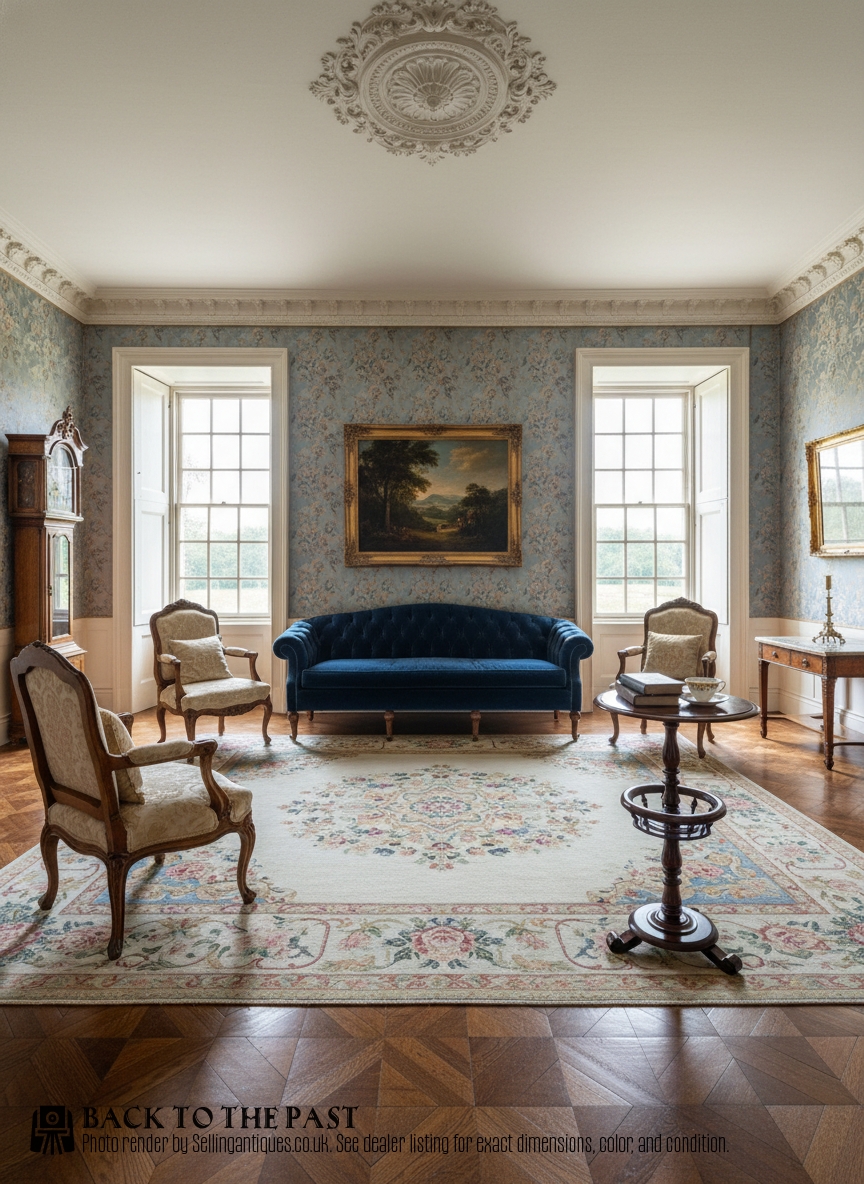
Victorian Circular Pedestal Table
When you search for a victorian circular pedestal table, you encounter a range of forms designed for dining, display, and study. The listings include centre tables, breakfast tables, wine tables, and library tables from the nineteenth century.
Mahogany and rosewood dominate the selection, alongside walnut, burr walnut, and oak. Pieces frequently incorporate tilt tops, tripod bases, and marble inserts.
Originating predominantly from the nineteenth century, these tables reflect styles spanning early Victorian, William IV, and the Aesthetic Movement.
How they were made
Cabinet makers utilised dense timbers such as mahogany, rosewood, and walnut, often applying figured veneers like burr walnut or flame mahogany to the circular tops. Bases combined heavy turned pedestals with tripod or platform supports to ensure stability.
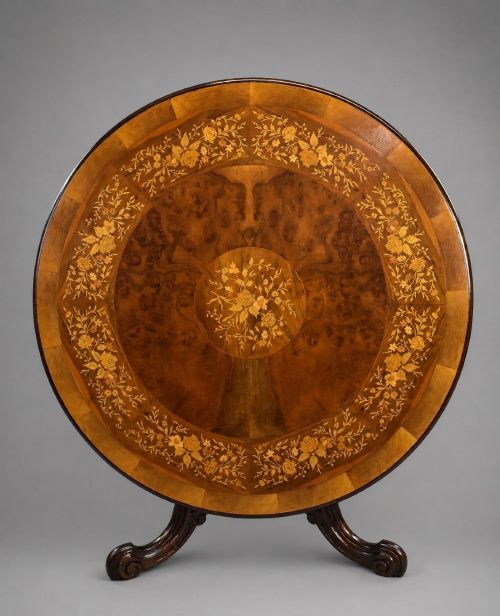
Specialised mechanisms included tilt-top catches, wind-out extension screws, and rotating drums. Carving, marquetry, and parquetry adorned the surfaces of finer examples.
Materials recorded in these listings include brass, mahogany, rosewood, walnut, burr walnut, oak, marble, and paint.
What varies in quality
Quality rests in the selection of timber veneers and the crispness of carved details on the pedestal base. Highly figured rosewood and burr walnut mark out pieces from standard mahogany production.
Engineering of mechanisms also separates standard tables from superior examples, particularly smooth-action tilt tops and robust central columns.
Holmes Baldock
The Victorian Circular Pedestal Table Glossary
- Pedestal
- A central vertical support that holds up the circular tabletop. It usually terminates in a tripod base or a platform with feet.
- Tilt top
- A tabletop hinged to the central column so it can pivot vertically. This allowed tables to be stored against walls when not in use.
- Centre table
- A freestanding table designed to be viewed from all sides in the middle of a room. These frequently feature highly decorative rosewood or walnut surfaces.
- Marquetry
- Inlaid wood veneers forming pictorial or geometric patterns on the tabletop. It appears on finer walnut and exotic timber pieces.
- Drum table
- A deep circular library table containing drawers around the perimeter. It sits atop a central pedestal column.
Victorian Circular Pedestal Table: Frequently Asked Questions
How do I use a tilt top table?
Release the brass catch beneath the tabletop to pivot the surface into a vertical position. This allows the table to be tucked away against a wall.
When returning the table to use, ensure the safety latch engages fully to lock the circular top horizontal.
Where should I place a centre table?
A centre table works best in the middle of a room where people can walk entirely around it. Because these pieces are finished on all sides, they act as focal points.
Ensure there is enough clearance around the pedestal base for chairs or foot traffic.
What is the difference between a breakfast table and a dining table?
Breakfast tables generally feature a tilt-top mechanism and a compact circular format intended for morning meals or parlour use. Dining tables are larger and often incorporate extension mechanisms.
Both sit on a central pedestal but serve different scales of entertaining.
How do I care for a rosewood top?
Dust the polished surface regularly with a soft, dry cloth. Keep the timber away from direct sunlight and heat sources to prevent the wood from drying out.
Apply a traditional wax polish occasionally to maintain the sheen of the grain.