






Victorian Cigar Holder
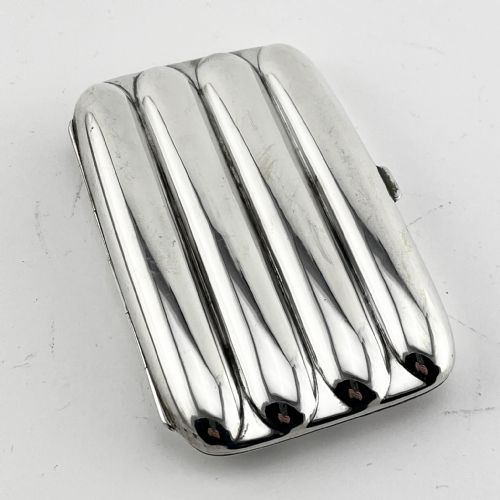
These Victorian cigar holder examples are pocket cases, mouthpieces and compact smoking compendiums crafted to protect and consume fine tobacco.
Victorian Cigar Holder
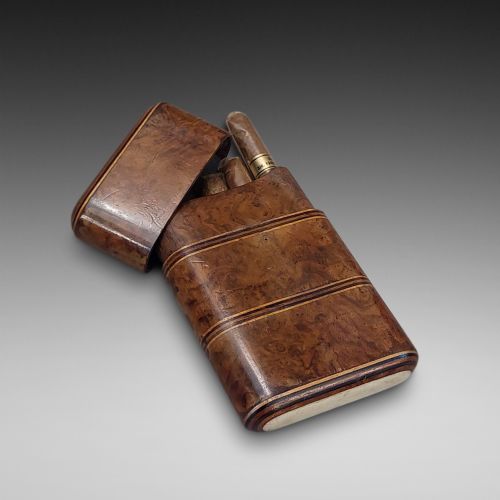
When you search for a victorian cigar holder, you encounter pocket cases, cheroot holders and desktop compendiums designed for gentlemanly smoking habits. The selection spans leather pouches, silver pocket boxes, and amber or meerschaum mouthpieces intended for daily use or travel.
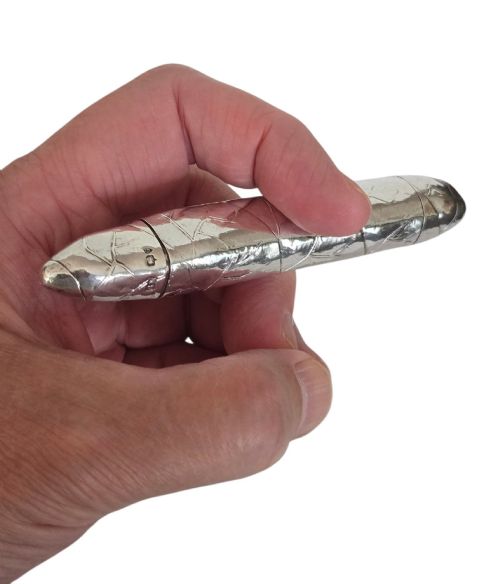
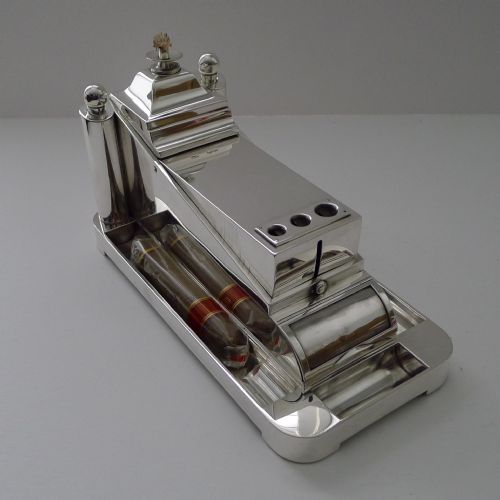
Desk accessories and novelty items, such as compendiums on wheels or torpedo shapes, represent the more ambitious forms in the evidence. These pieces reflect the Victorian appetite for practical tobacciana engineered with mechanical or novelty appeal.
How they were made
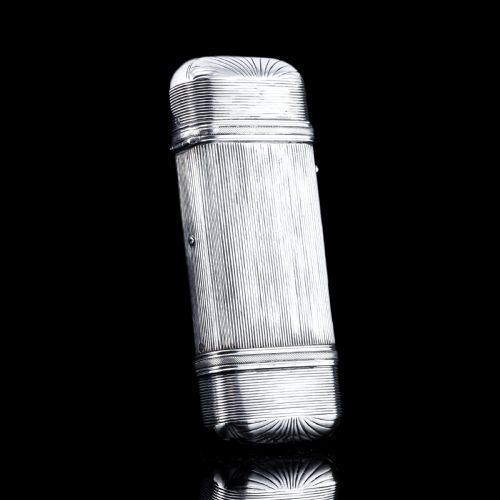
Makers utilised sterling silver and silver gilt to form rigid pocket cases, often employing reeded designs, engine-turning, or fine hand engraving on the metal surfaces. Leather and crocodile leather were stretched over rigid internal frames to protect the delicate contents within.
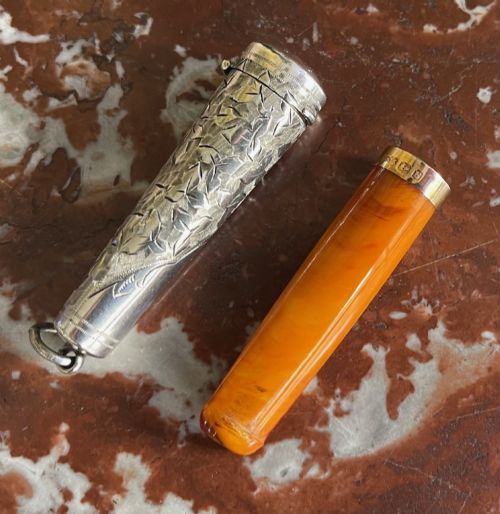
Mouthpieces combined natural organic materials like amber and meerschaum, sometimes mounted with nine-carat gold to secure the connection. Silversmiths constructed bespoke cases to house these fragile mouthpieces, matching the contours of the amber or meerschaum precisely.
Victorian Cigar Holder Retail Price Guide 2026
Typical asking prices for victorian cigar holder among the pieces listed under this phrase on Sellingantiques today, from the lower quarter to the upper quarter. They describe what is for sale here now, not the wider market.
The listings here combine pocket silver boxes with amber mouthpieces, leather pouches, and wheeled compendiums from the nineteenth and early twentieth centuries.
What varies in quality
The distinction between standard pocket containers and exceptional items rests upon the ambition of the design and the reputation of the workshop. Novelty forms, such as torpedo shapes or fire carriage compendiums, demand greater ingenuity from the maker than plain rectangular boxes.
Material combination also governs the grade of the piece, where precious metals like nine-carat gold and silver gilt elevate simple amber mouthpieces or leather pouches. Crispness in the engraved decoration and the precise closure of hinged silver lids indicate superior execution.
Sampson Mordan & Co
The Victorian Cigar Holder Glossary
- Cheroot holder
- A short mouthpiece designed to hold a cheroot, typically manufactured from amber or meerschaum. These personal accessories protected the fingers from staining and allowed the smoker to consume the tobacco down to the end.
- Vesta case
- A small pocket box fitted with a striking surface for matches, frequently accompanying silver cigar cases. They were essential portable items for lighting cigars before disposable lighters became common.
- Smoking compendium
- A desk or tabletop container holding multiple smoking requisites in one assembly. These items often took elaborate novelty forms, such as carriages on wheels.
- Silver gilt
- Silver that has been coated with a thin layer of gold on its interior or exterior surfaces. This technique added a rich colour contrast and protected the base silver from tarnishing against tobacco.
- Meerschaum
- A soft white mineral carved into intricate pipe bowls and cigar mouthpieces. It absorbs nicotine during use and gradually colours to a rich amber shade over years of handling.
Victorian Cigar Holder: Frequently Asked Questions
What is a cigar holder made of?
These pieces incorporate natural materials like amber and meerschaum for the smoking end, while the protective cases utilise sterling silver, leather, and crocodile skin.
Precious metals such as nine-carat gold and silver gilt frequently appear as mounts and interior linings on the finer examples.
How do I clean an amber holder?
Amber is a delicate organic resin that requires gentle handling and warm soapy water rather than harsh chemical solvents.
Toothpicks or soft cotton buds help clear accumulated residues from the internal channel without scratching the polished surface.
Were these cases meant for pockets?
Pocket cases were manufactured in slim torpedo shapes and flat rectangles specifically to slide into a gentleman's waistcoat or jacket pocket.
Larger compendiums and walnut cabinets remained stationary on desks or smoking tables rather than travelling with the owner.
How can I tell the date?
Silver components carry British hallmark stamps that indicate the assay office and the exact year of manufacture.
Stylistic cues, such as reeded silver designs or crocodile leather wraps, help place pieces within the Victorian and Edwardian periods when hallmarks are absent.