


Victorian Child Portrait Painting
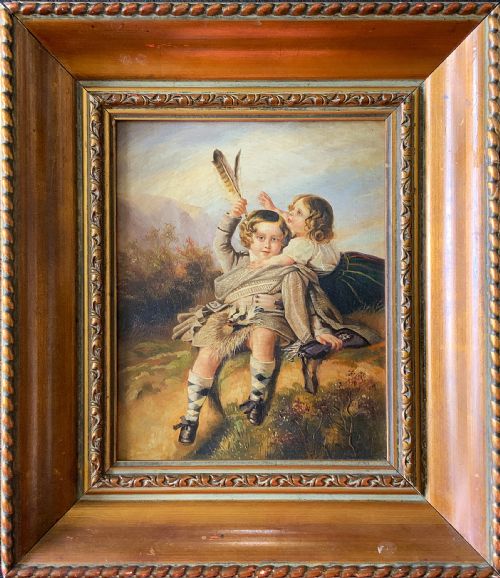
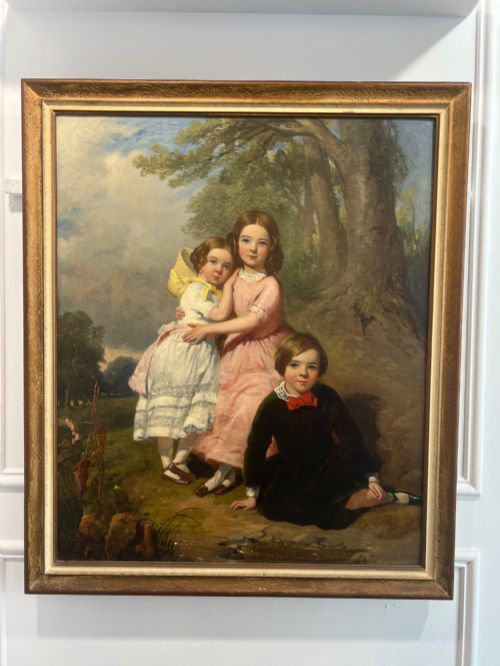
When you seek a victorian child portrait painting, you find historical depictions capturing youth through oil and watercolour.
Victorian Child Portrait Painting
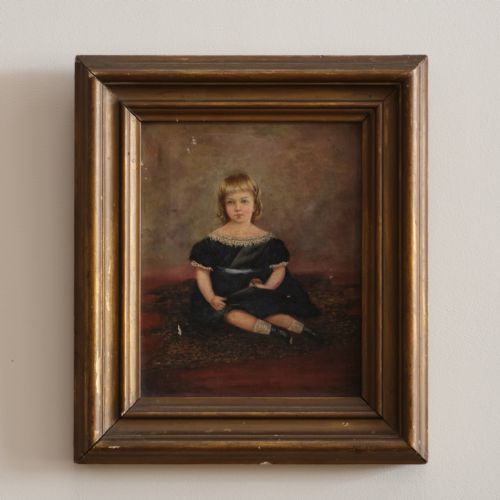
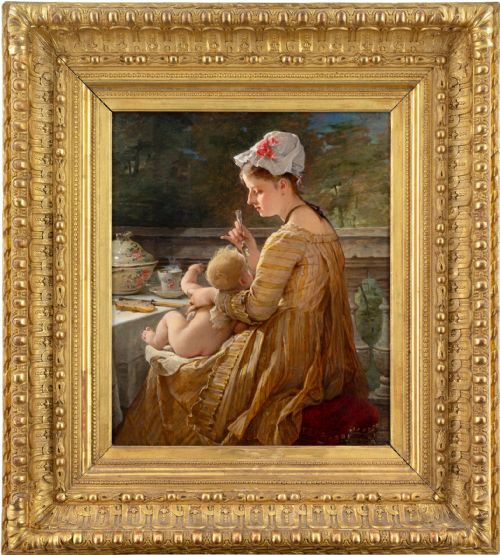
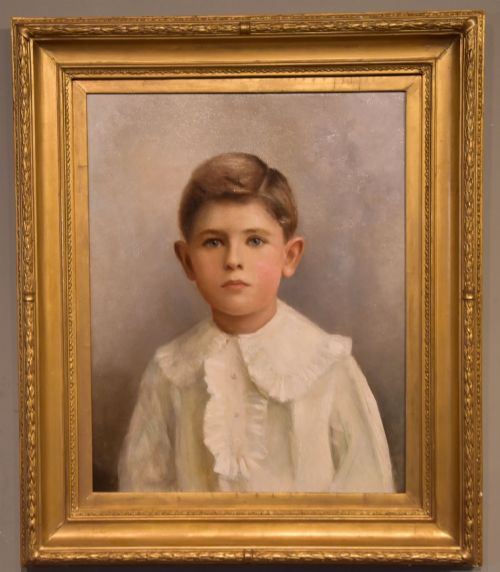
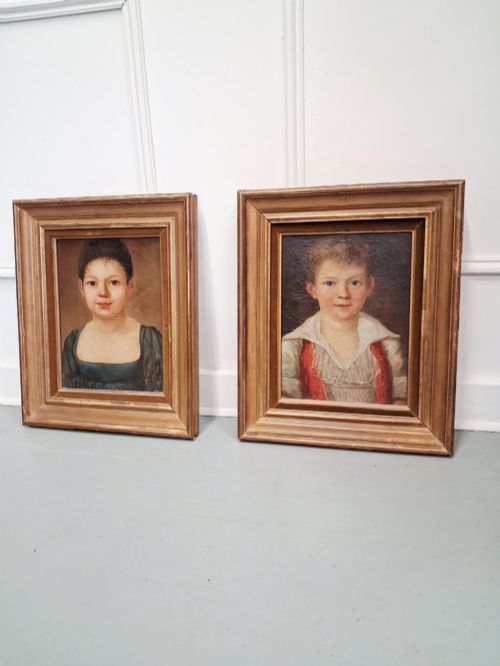
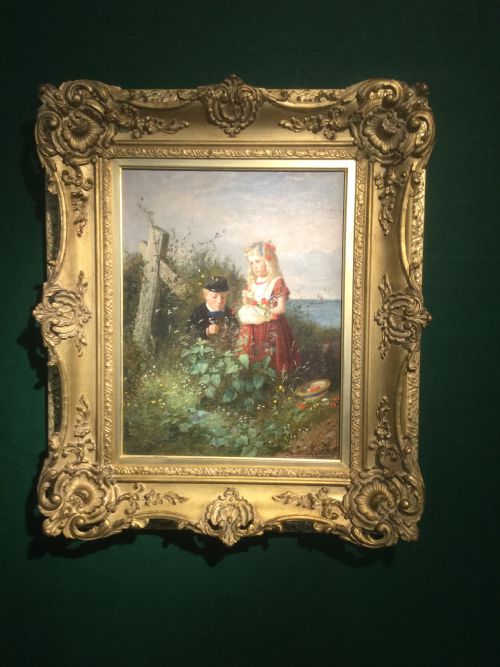
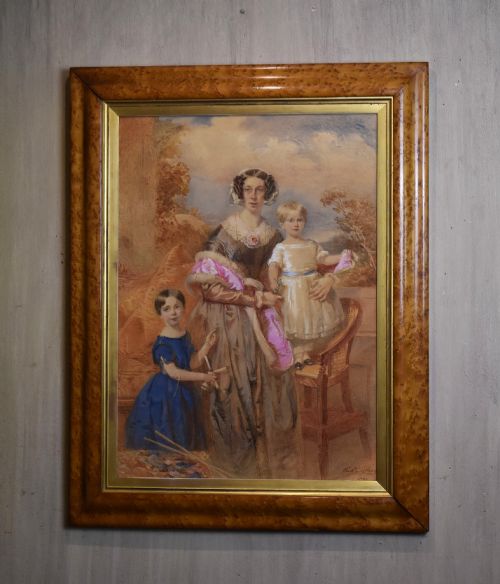
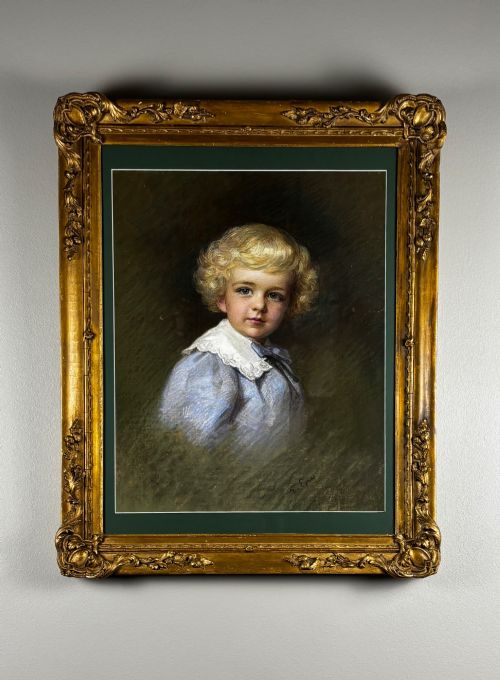
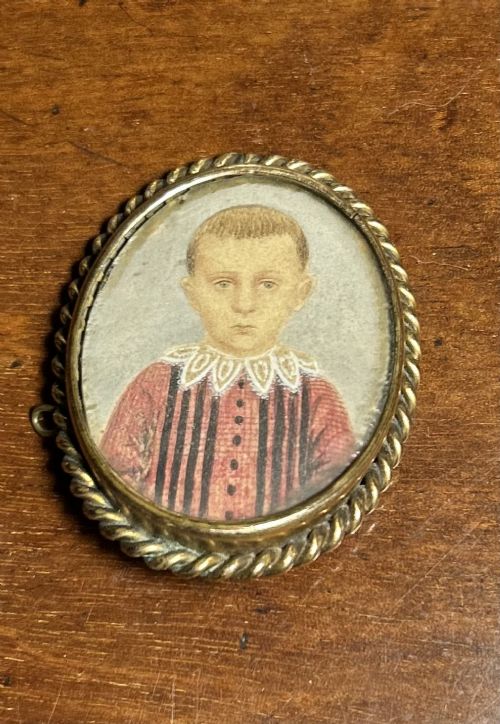
A victorian child portrait painting captures young subjects through nineteenth-century mediums, encompassing individual studies and family groupings. Buyers encounter works rendered by academic hands alongside distinct examples from the naive school.
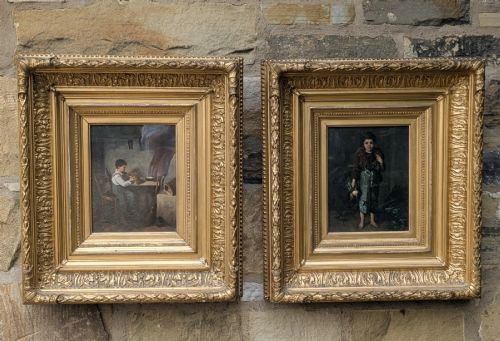
Most pieces on this page originate from the nineteenth century and the wider Victorian era, utilising oil on canvas, panel, or paper. Subjects frequently appear alongside pets, toys, or architectural backdrops that reflect period domestic life.
How They Were Made
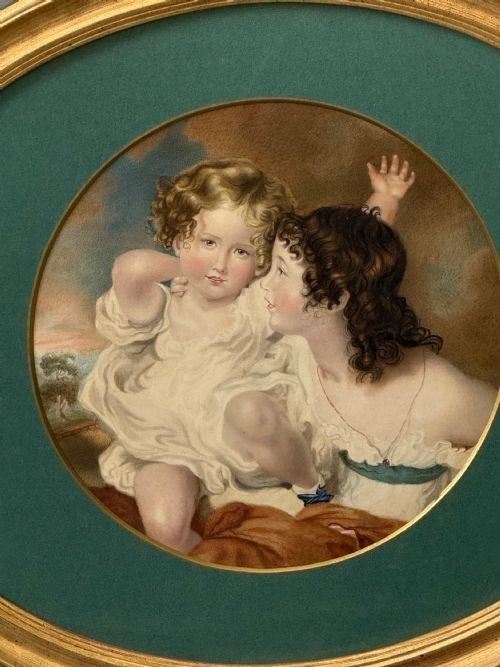
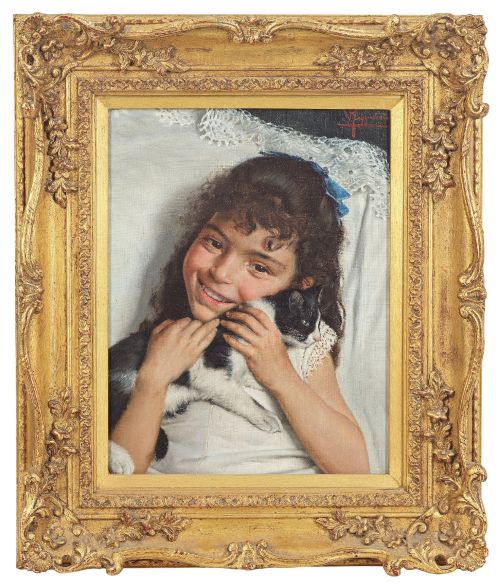
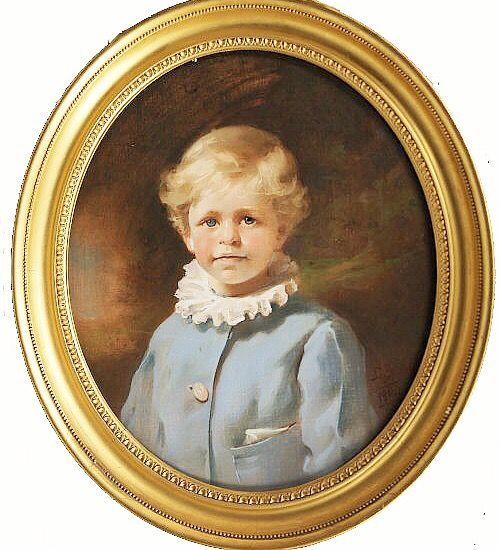
Artists built these compositions primarily using oil on canvas or delicate watercolours on paper, framed within period giltwood, ebonised wood, or burr maple. Protective glass often covers works executed on paper or pastel.
Techniques range from fine academic portraiture to flat perspective and bold linework found in naive art and silhouette production.
Several young sitters pose alongside prized pets, including tethered ponies and attentive kittens.
What Varies in Quality
Depth of expression and anatomical proportion separate academic studio output from provincial folk art, though naive works maintain their own charm through directness. The handling of textiles, light, and background detail indicates the painter's training and competence.
The condition of the original canvas, stability of the paint layer, and survival of contemporary frames such as ornate giltwood or burr maple influence the overall integrity of the piece.
Vittorio Reggianini·Leon Sprinck·Adelaïde Salles-Wagner·Henry Windsor Fry·Charles Hunt·Frederick Tatham·Emily Eyres·Byam Shaw·George Bernard O'Neill·Bown Jones·Helena Maguire·William Egley·John Alfred Wheeler·Alfred Darbyshire·John Henry Dell·Franz Xaver Winterhalter·Henry Weigall·Josiah Gilbert
The Victorian Child Portrait Painting Glossary
- Naive Art
- Artwork characterised by a childlike simplicity in perspective and proportion, often created by self-taught painters working outside official academies. This style offers a direct record of domestic life without academic conventions.
- Oil on Canvas
- Pigment mixed with drying oil applied to a woven fabric support stretched over a wooden frame. This medium allowed artists to achieve rich colour depth and subtle tonal gradation.
- Giltwood
- Wood carved and covered with a thin layer of gold leaf or gold paint. Frames of this material frequently accompany formal nineteenth-century works.
- Watercolour
- Paint consisting of water-soluble pigments applied to paper. It produces transparent washes that capture delicate light effects.
- Ebonised Frame
- Timber treated to resemble ebony, providing a dark, contrasting border around historical portraits. This framing method was common during the nineteenth century.
Victorian Child Portrait Painting: Frequently Asked Questions
What mediums were used for these portraits?
Artists worked primarily in oil on canvas, watercolour, and pastel, occasionally utilising gouache on paper.
Support materials include wood panels and stretched canvas housed beneath glass within period frames.
How do academic and naive styles differ?
Academic portraits follow strict rules of proportion, lighting, and anatomical accuracy derived from formal training.
Naive works disregard traditional perspective in favour of flat planes and direct charm.
Are frames original to the artwork?
Many pieces retain their period frames, such as giltwood, ebonised wood, or burr maple.
Framing styles help indicate the era in which the portrait was completed.
What subjects appear alongside the children?
Portraits frequently include family members, pets like dogs and cats, toys, or architectural interiors.
These elements provide context regarding the social standing and daily environment of the sitters.