


Victorian Charcoal Artwork
Victorian charcoal artwork captures the sombre tonality and atmospheric depth of nineteenth-century draughtsmanship, prized for its expressive monochromatic finish.
Victorian Charcoal Artwork
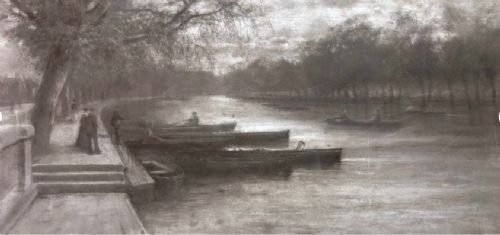
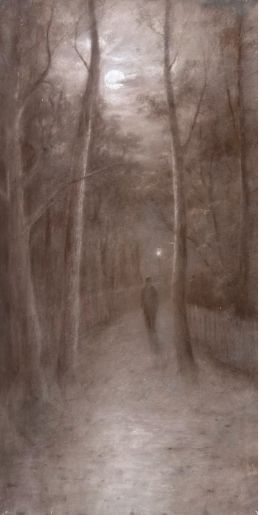
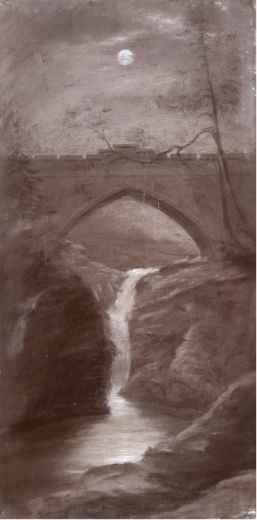
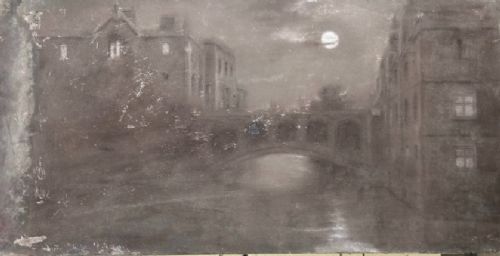
Victorian charcoal artwork comprises original drawings and framed wall art produced predominantly during the nineteenth century, capturing landscapes, seascapes, and figurative studies. These pieces range from detailed academic life studies of the human form to moody nocturnal scenes influenced by tonalism.
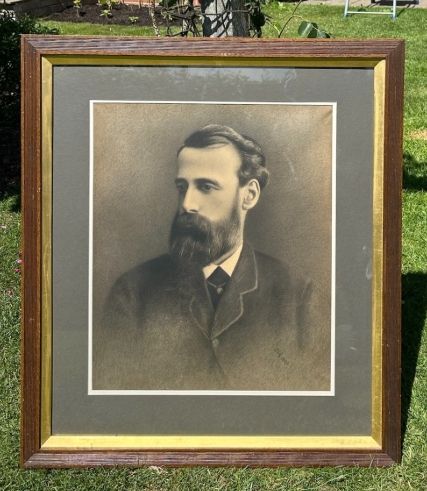
Buyers are most likely to encounter portraits of gentlemen and dignitaries, dramatic maritime shipwrecks, and atmospheric British or Scottish landscapes set behind glass in period wooden frames.
Materials and Technique
Makers utilised compressed or willow charcoal, often combined with graphite, chalk, and pastel highlights upon paper or canvas grounds to build deep contrasts. These materials allowed artists to manipulate shadow and light swiftly, creating the hazy horizons and dramatic atmospheric effects seen in nocturnal and landscape subjects.
Works were frequently signed, dated, and housed within protective wooden framing with glass to preserve the fragile, powdery medium from smudging.
Listings feature works executed on paper and canvas, incorporating mixed media such as chalk, pastel, and graphite alongside pure charcoal.
Quality and Execution
Quality rests upon the draughtsman's anatomical precision and the confident handling of tone, separating rigid academic exercises from expressive, atmospheric compositions. Stronger works demonstrate a sophisticated command of light that defines form without relying on heavy ink outlines.
The sophistication of the subject matter and the historical significance of the sitter or location elevate certain drawings above standard decorative studio studies.
Henry Arthur Roberts·Sir Edwin Landseer·John Macallan Swan·Theobald Chartran·George Richmond
The Victorian Charcoal Artwork Glossary
- Tonalism
- An artistic style focusing on shadow, atmosphere, and mood rather than crisp topographical accuracy. It emerged strongly in late nineteenth-century landscapes and nocturnes.
- Academic life study
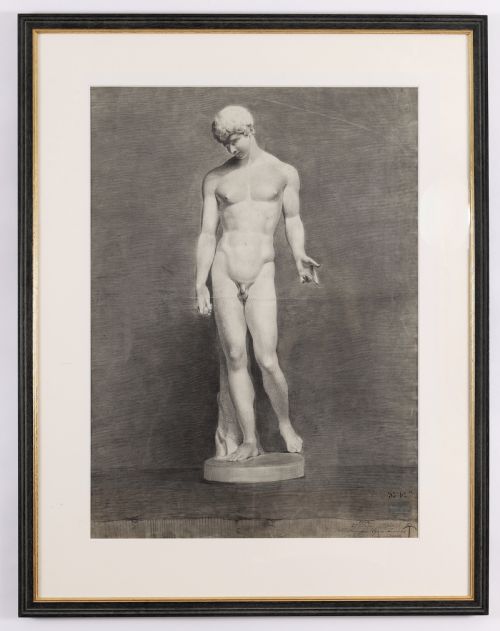
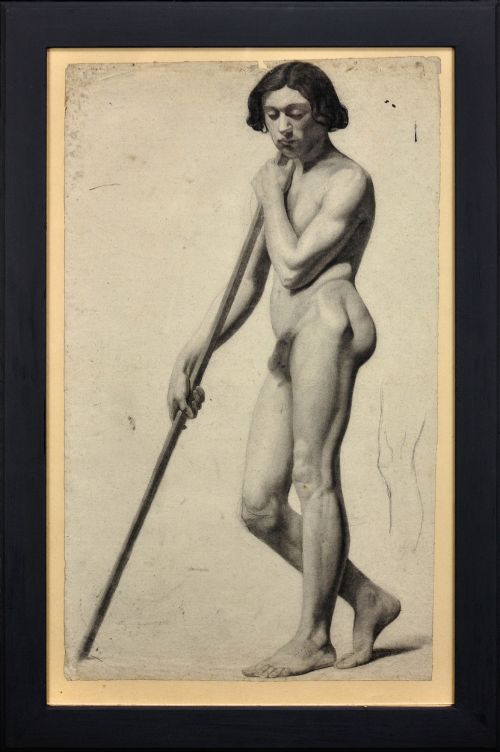
- A detailed drawing of a nude model produced in an art academy to master human anatomy and proportions. These works often bear precise dates and institutional provenance.
- Charcoal
- A porous carbon material produced by slowly burning wood in oxygen-depleted conditions. It yields rich, deep blacks essential for nineteenth-century dramatic contrasts.
- Nocturne
- A painting or drawing depicting a night scene or evening atmosphere. These works rely on subtle tonal gradations to suggest darkness and moonlight.
Victorian Charcoal Artwork: Frequently Asked Questions
How do I care for Victorian charcoal artwork?
Keep the framed piece away from direct sunlight and areas prone to heavy humidity to protect the paper and the friable medium. Ensure the glazing remains intact and sealed to prevent atmospheric dust and moisture from settling on the surface.
Avoid tapping or shaking the frame, as vibrations can dislodge loose charcoal particles from the paper or canvas support over time.
What subjects are common in these drawings?
Portraits of notable gentlemen, writers, and lords frequently appear, alongside classical academic studies of the male nude. Landscapes depicting Scottish or British scenes and dramatic coastal shipwrecks are also prevalent.
Many of these landscape compositions reflect the moody atmospheric influence of tonalism and nocturnal painting traditions.
How are periods and dates identified?
Dates are often inscribed directly by the artist alongside signatures or deduced from the sitter's identity and historical records. The style of the costume, the framing materials, and the paper watermarks further assist in establishing the era.
Academic studies frequently carry specific dates corresponding to the artist's training period in nineteenth-century schools.
Were these artworks meant for display?
Many began as studio preparation pieces, academic exercises, or preliminary sketches before being mounted and framed for domestic or institutional display. Portrait drawings served as lasting records of prominent figures and family members.
Over time, framed drawings gained recognition as finished cabinet pieces suitable for wall display in studies and libraries.