



Victorian Champagne Cooler
A victorian champagne cooler brings weight and theatre to a gathering, serving as both a practical vessel for ice and a striking centrepiece.
Victorian Champagne Cooler
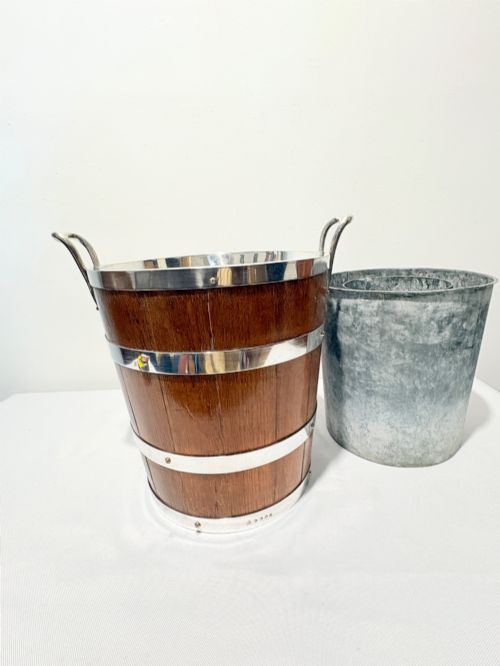
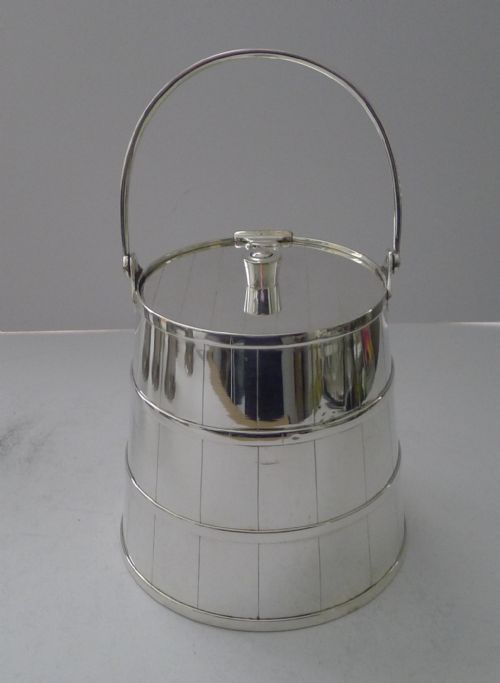
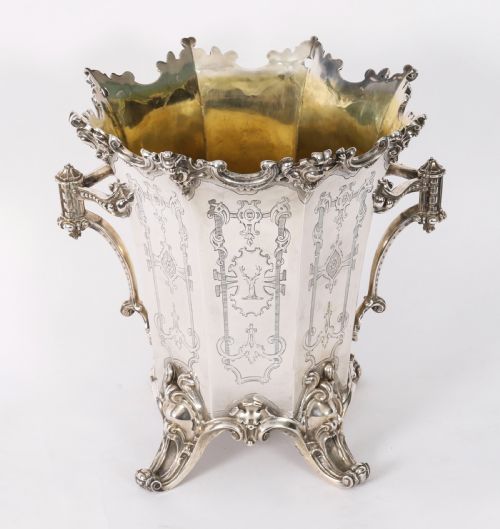
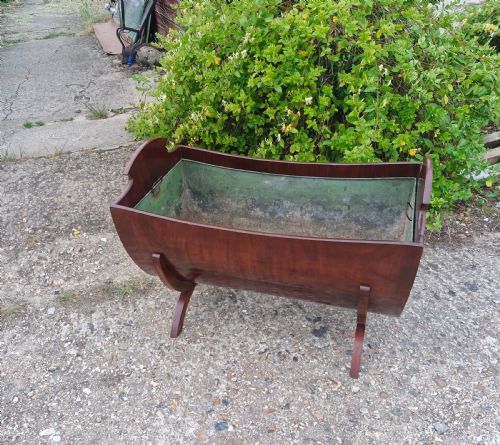
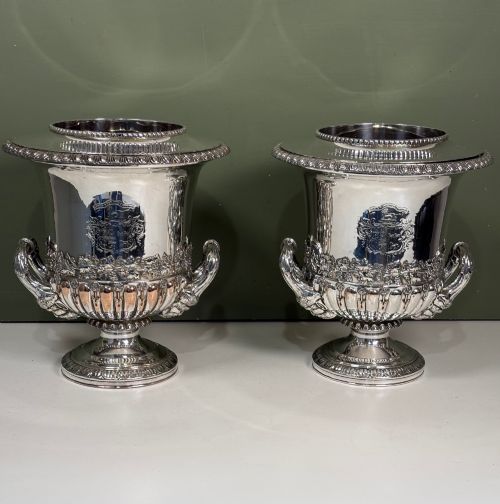
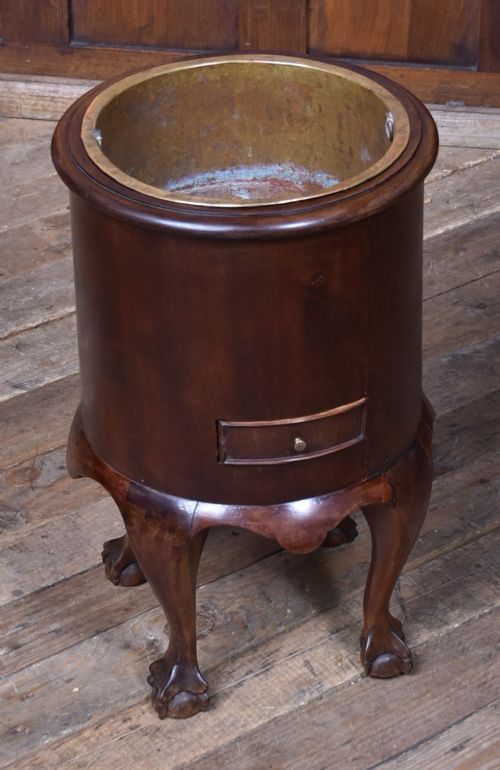
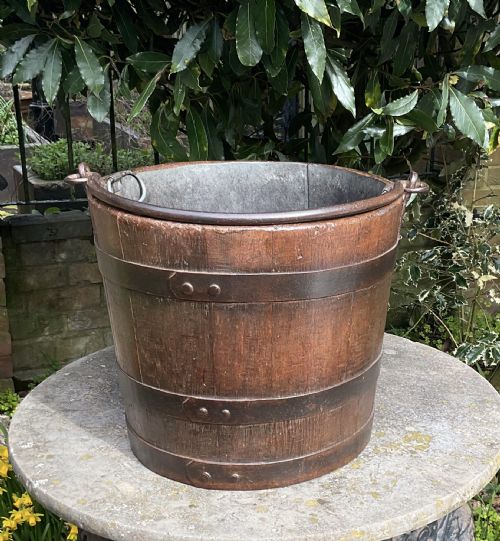
A victorian champagne cooler encompasses substantial timber vessels, silver plated wine cisterns, and heavy brass or copper bowls intended for chilling wine at the table. These pieces emerge from the nineteenth century in various forms, including coopered oak buckets, mahogany wine coolers, and ornate plated ice vessels.
The objects seen here range from simple country house log baskets adapted for the table to elaborate silver plated wine coolers bearing classical revival motifs. Buyers frequently encounter silver plate over copper, solid oak bound with brass bands, and occasionally ceramic liners designed to hold ice and bottles securely.
Assessing quality in these vessels
Quality rests in the integrity of the construction and the weight of the materials used. Superior examples display precise cooperage with well fitted staves or heavy silver plating that remains intact across high relief ornamentation.
The presence of original liners, clear maker marks, and robust handles indicates higher workshop standards. Finer pieces maintain balanced proportions and secure mountings that prevent shifting when the vessel is filled with ice and bottles.
Victorian Champagne Cooler Retail Price Guide 2026
Typical asking prices for victorian champagne cooler among the pieces listed under this phrase on Sellingantiques today, from the lower quarter to the upper quarter. They describe what is for sale here now, not the wider market.
Listings feature oak, mahogany, silver plate, brass, copper, and glass across nineteenth century forms.
Elkington, Mason And Co·Hawksworth, Eyre And Co·Lipscombe And Co
The Victorian Champagne Cooler Glossary
- Coopered
- Constructed from curved wooden staves bound together with metal hoops, much like a traditional barrel. This method provides natural strength for holding heavy liquids.
- Silver Plate
- A thin layer of silver fused over a base metal such as copper or white metal. It offers the appearance of solid silver at a lower manufacturing cost.
- Creamware
- A type of fine earthenware perfected in the eighteenth century, notable for its pale yellowish glaze. It frequently appears as a protective liner inside nineteenth century ice buckets.
- Rococo Revival
- A decorative style popular during the nineteenth century characterised by asymmetric scrollwork, floral motifs, and shell shapes. It appears frequently on ornate wine coolers and punch bowls.
- Jardiniere
- An ornamental pot or stand designed to hold growing plants or flowers. Many nineteenth century examples share forms with wine coolers and are used interchangeably on tables.
Victorian Champagne Cooler: Frequently Asked Questions
How were these coolers originally used?
Hosts placed them on side tables or directly on dining surfaces to keep bottles cold throughout long meals.
Some large examples served multiple functions as punch bowls, jardiniere stands, or log baskets when not holding wine.
How do I care for silver plated coolers?
Regular dusting and gentle cleaning with appropriate silver polish preserve the finish without wearing through the plated surface.
Avoid leaving standing water inside plated or wooden vessels for extended periods to protect the interior lining and joints.
How do I identify a nineteenth century piece?
Examine the construction methods, such as hand cut dovetails, heavy gauge base metals, and traditional cooperage without modern adhesives.
Maker marks stamped onto the base or rim often provide clues to the exact workshop and production era.