


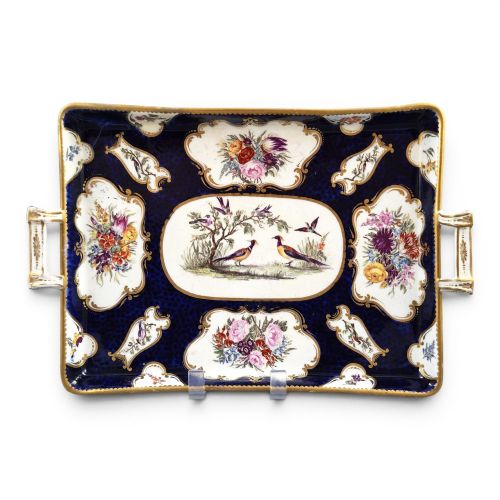
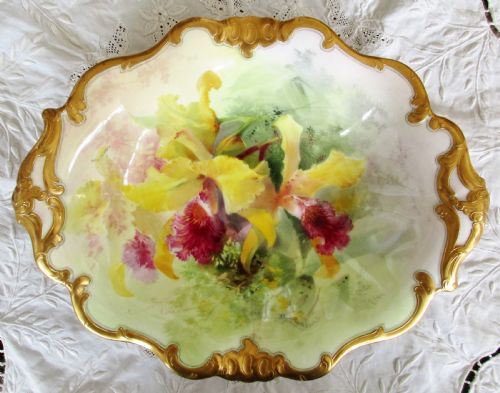
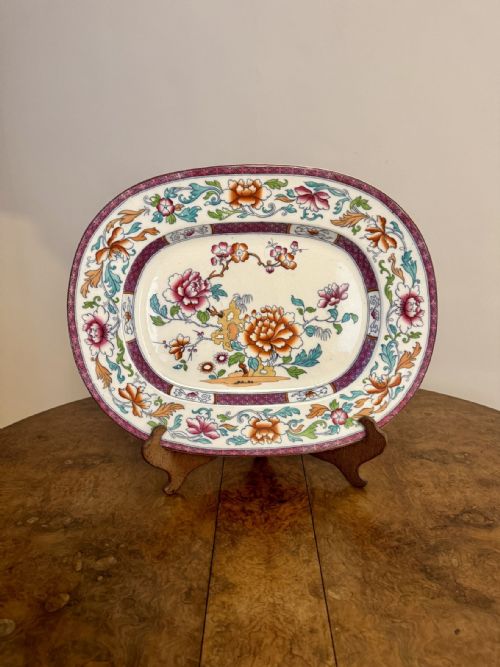
Victorian Ceramic Tray
When you seek a victorian ceramic tray, you enter a world of nineteenth-century earthenware, porcelain, and ironstone designed for practical service and display.
Victorian Ceramic Tray
A victorian ceramic tray encompasses serving platters, cabinet dishes, and decorative dishes shaped by nineteenth-century manufacturers. These domestic pieces served dining rooms and drawing rooms across the period.
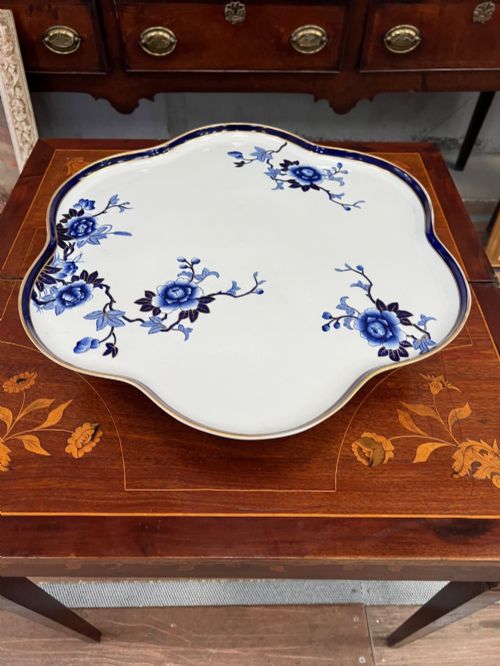
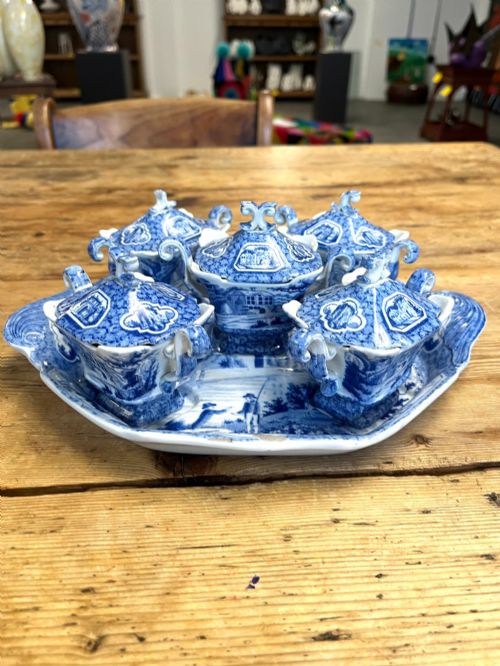
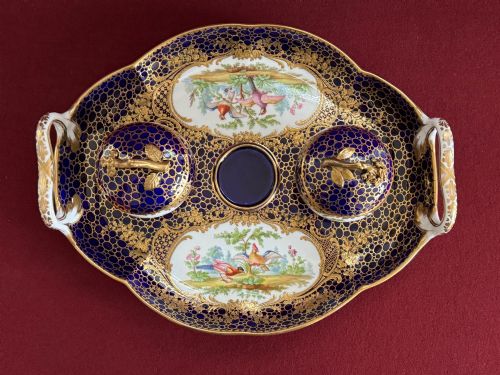
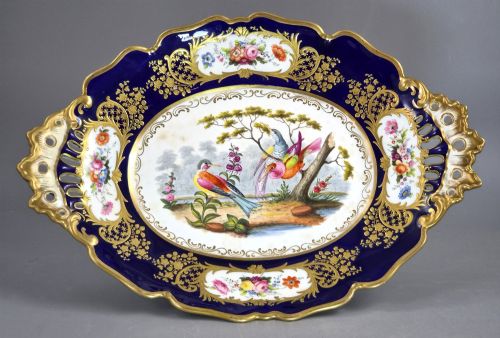
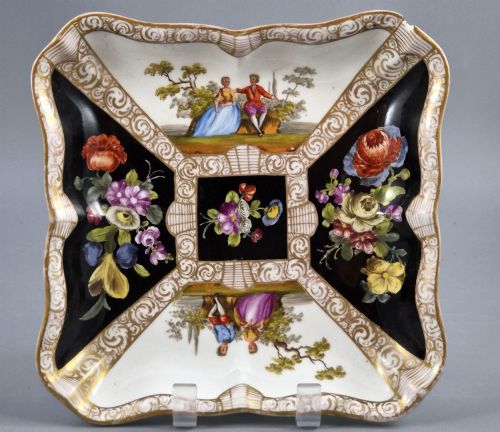
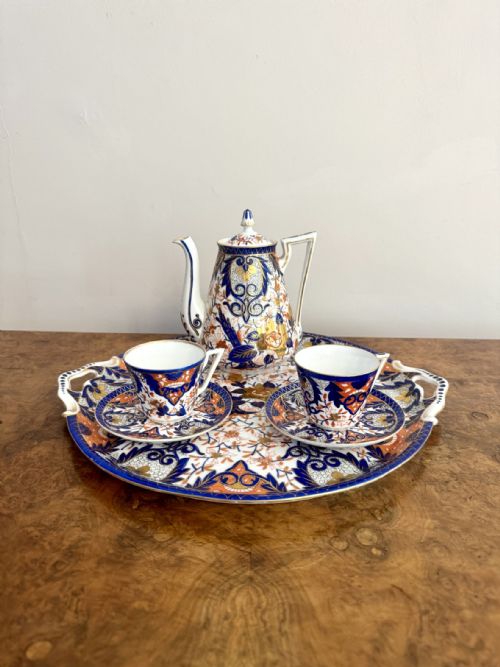
The selection on this page ranges from large meat platters to smaller serving dishes and inkstands. Earthenware and porcelain dominate the forms, reflecting standard nineteenth-century table use.
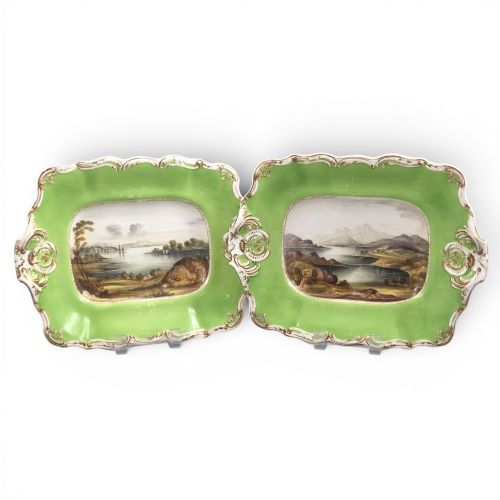
Makers utilised styles spanning standard Victorian designs, Victorian Chinoiserie, and Rococo Revival. Pieces bridge practical dining ware and decorative household objects.
How they were made
Potters formed these items using earthenware, ironstone, and porcelain bodies, often finished with lead or tin glazes. Cobalt blue underglaze painting and enamel decoration provided the primary visual surfaces.
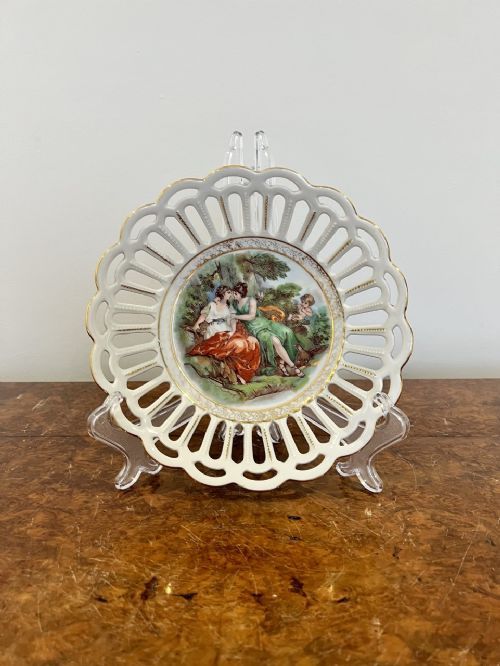
Makers applied gilding and gold leaf highlights to accentuate moulded borders on cabinet dishes and trays. Selected pieces integrated metal mounts, brass bases, or champleve enamel work alongside ceramic bodies.
Victorian Ceramic Tray Retail Price Guide 2026
Typical asking prices for victorian ceramic tray among the pieces listed under this phrase on Sellingantiques today, from the lower quarter to the upper quarter. They describe what is for sale here now, not the wider market.
Grocers once weighed their authority on scale plates adorned with patterns before sending butter home.
What varies in quality
Standard alters according to the precision of the hand-painting and the complexity of the transfer-printed motifs. Crisp cobalt blue lines and careful enamel application distinguish superior examples from standard utility items.
The weight of the ironstone or porcelain body and the preservation of the gilt edge influence the standing of a dish. Form complexity, such as deep lobed edges or moulded well and tree designs, separates basic domestic platters from exhibition pieces.
Minton·Royal Crown Derby·Coalport·Meissen·Royal Doulton·Copeland and Garrett·George Jones·Helena Wolfsohn·Mason s Ironstone
The Victorian Ceramic Tray Glossary
- Ironstone
- A patented ceramic body developed to resist chipping while offering the appearance of porcelain. It provided a durable foundation for nineteenth-century serving platters.
- Majolica
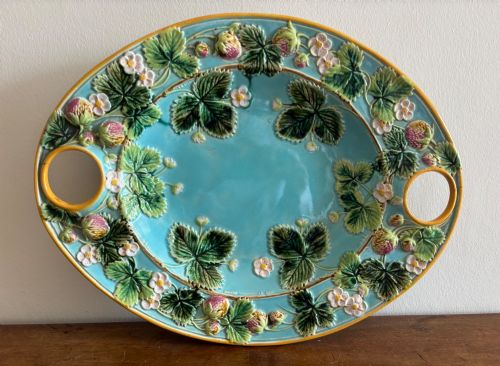
- A colourful lead-glazed earthenware characterised by rich moulded relief decoration. It found popularity for Victorian dessert and strawberry dishes.
- Prattware
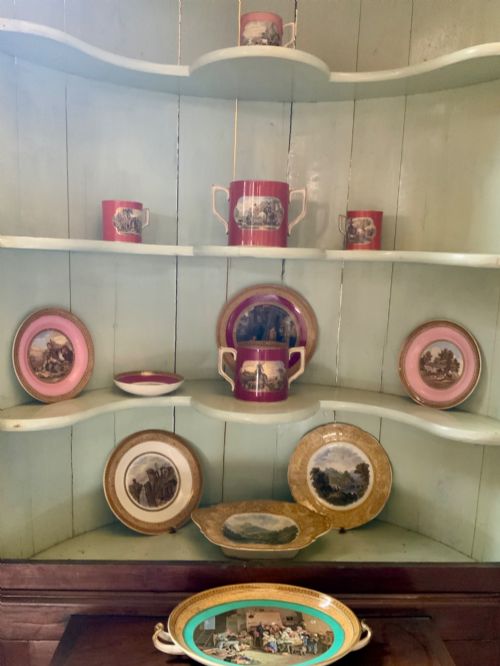
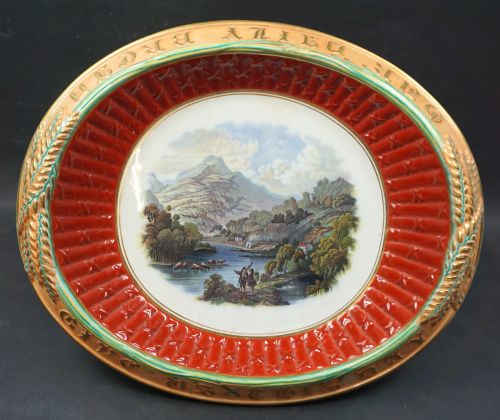
- Staffordshire earthenware decorated with multi-coloured transfer printing under a clear glaze. It frequently depicts historical or pastoral scenes.
- Ashet
- A Scots term for a large serving platter or meat dish used at the centre of the table. These items formed part of nineteenth-century dining sets.
Victorian Ceramic Tray: Frequently Asked Questions
What was a victorian ceramic tray used for?
Households utilised these ceramic items for serving meats, breads, and side dishes during formal meals. Smaller variants served as desk accessories for inkwells or as decorative cabinet dishes.
Their physical form adapted to the dining customs and interior display habits of the nineteenth century.
How do I care for a victorian ceramic tray?
Wash these pieces by hand using warm water and mild soap to protect the delicate enamel and gold leaf. Avoid soaking items with ironstone or earthenware bodies to prevent moisture entering old crazing.
Display them away from direct sunlight to maintain the vibrancy of cobalt blue and polychrome pigments.
How do I date a victorian ceramic tray?
Examine the base for impressed registry marks, manufacturer ciphers, and pattern numbers which link directly to factory production years. Stylistic clues such as Rococo Revival moulding or Aesthetic Movement patterns also narrow the decade.
Material choices, including heavy ironstone versus translucent porcelain, further indicate the manufacturing era.
Are these trays safe for modern food service?
Many nineteenth-century glazes contain lead and historical ceramic bodies absorb organic matter over prolonged use. Collectors generally treat these items as decorative display pieces rather than active tableware.
Gentle service for dry foods occurs occasionally, but everyday dining use remains unadvised.