



Victorian Ceramic Shelves
Victorian ceramic shelves are decorative wall brackets and ledges that bring period character and display space to a room.
Victorian Ceramic Shelves
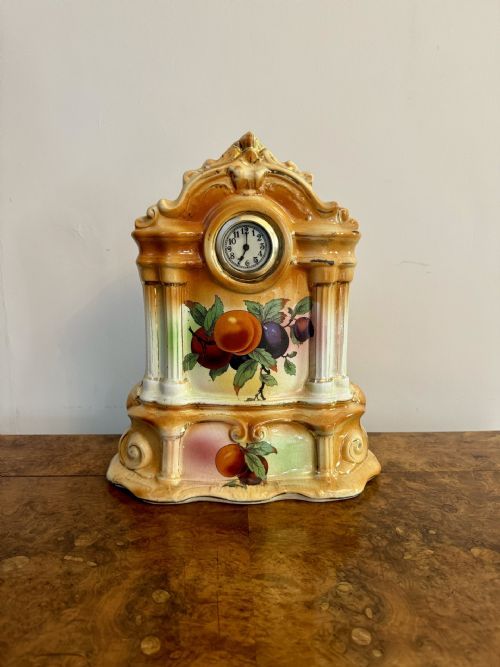
When you search for victorian ceramic shelves, you encounter wall brackets and corbels designed to hold small ornaments, clocks, or figurines in nineteenth-century interiors. The pieces on this page span the Victorian era, reaching from the 1870s into the early twentieth century, alongside related ceramic forms like mantel clocks and bookends.
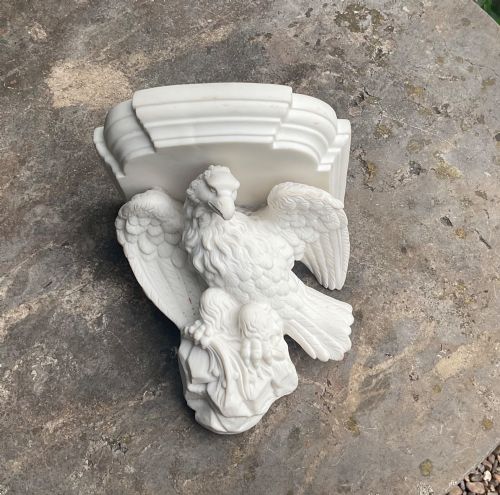
Stylistic variation is broad, taking in Rococo Revival curves, Aesthetic Movement restraint, Majolica rich colour, and Staffordshire pottery traditions. These wall brackets and architectural ledges were moulded to project from the wall, often featuring figural support elements such as cherubs, lions, or eagles.
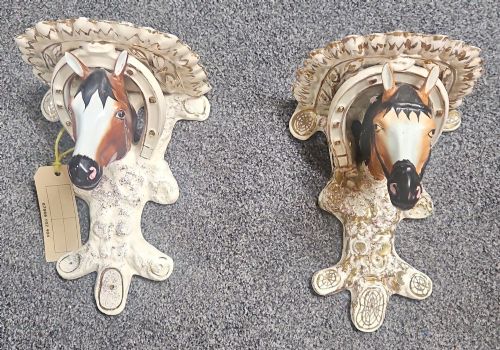
Origins stretch across English potteries like Minton and Staffordshire alongside continental influences such as Meissen style figures and Royal Dux prototypes. You will find both single brackets and matched pairs designed for symmetrical placement on either side of a fireplace or mirror.
Materials and construction
Potters shaped these items from porcelain, earthenware, and heavy ceramic bodies, applying coloured glazes or hand-painted details before firing. Majolica and Staffordshire pieces relied on rich, glossy glaze formulations to create deep colour saturation and lustrous surface finishes.
Makers integrated structural hardware into the ceramic bodies or paired the fired clay with brass, ormolu mounts, and gilt accents to ensure secure wall hanging. Parian ware was utilised for unglazed biscuit porcelain figures, achieving a matt finish that mimicked carved marble.
Victorian Ceramic Shelves Retail Price Guide 2026
Typical asking prices for victorian ceramic shelves among the pieces listed under this phrase on Sellingantiques today, from the lower quarter to the upper quarter. They describe what is for sale here now, not the wider market.
Materials recorded across the inventory include porcelain, earthenware, majolica, parian ware, and brass or ormolu mounts.
Judgements of quality
Finishing separates standard production runs from superior examples, visible in the crispness of the moulding and the delicacy of hand painting. Superior pieces retain rich gilding, unblemished glaze surfaces, and finely modelled facial expressions on figural brackets.
Structural integrity matters deeply for wall-hung items, meaning the weight of the ceramic must be balanced by robust hanging points and solid material thickness. The ambition of the design, from simple moulded ledges to complex sculptural corbels featuring animals or putti, dictates the piece's standing.
The Victorian Ceramic Shelves Glossary
- Majolica
- A type of earthenware covered with an opaque tin glaze and painted with metallic oxide colours. It produces vibrant, glossy surfaces popular during the nineteenth century.
- Parian ware
- A type of biscuit porcelain developed to imitate marble. It has a smooth, unglazed appearance that highlights fine sculptural detail.
- Corbel
- A structural bracket projecting from a wall to support a weight. In ceramics, these take decorative figural or scroll forms.
- Ormolu
- Gilded bronze used for mounts and decorative accents on ceramic pieces. It adds metallic contrast to glazed surfaces.
- Earthenware
- Porous pottery fired at lower temperatures than porcelain. It forms the body of many Staffordshire decorative items.
Victorian Ceramic Shelves: Frequently Asked Questions
What are victorian ceramic shelves used for?
These pieces serve as decorative wall brackets designed to support small ornaments, pocket watches, or figurines in a domestic interior.
Historically, they provided ornamental display space on parlour walls without occupying floor area.
How can I date a ceramic wall bracket?
Dating relies on stylistic markers such as Rococo Revival curves or Aesthetic Movement geometry, alongside glaze characteristics and maker marks.
Reference points include the period spanning the 1870s through to the early Edwardian years for these particular ceramic forms.
Are these brackets sold as pairs?
Many wall brackets and corbels appear as matched pairs designed for symmetrical display flanking a mirror or mantelpiece.
Single brackets also occur frequently where only one piece of the original set survives.