

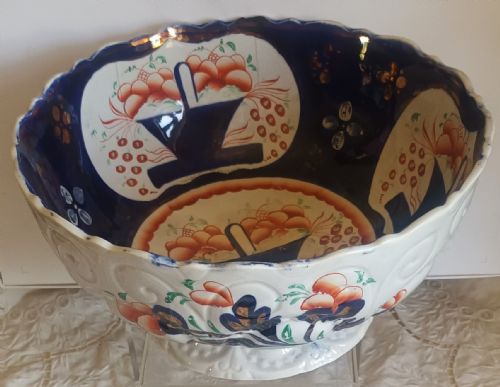


Victorian Ceramic Fruit Basket
These Victorian ceramic fruit basket examples bring vibrant nineteenth-century craftsmanship to a dining table or sideboard, offering both decorative charm and historic utility.
Victorian Ceramic Fruit Basket
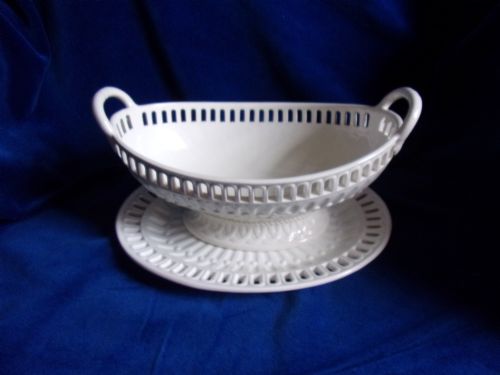
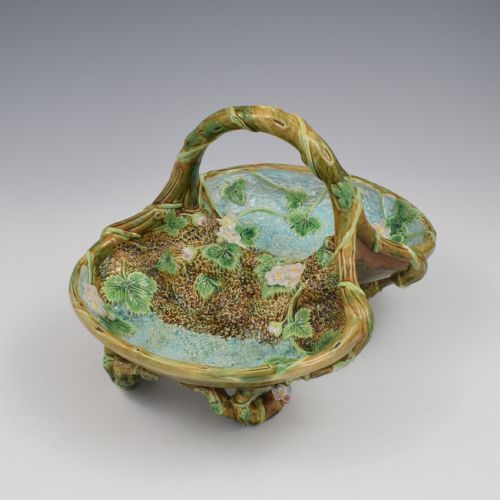
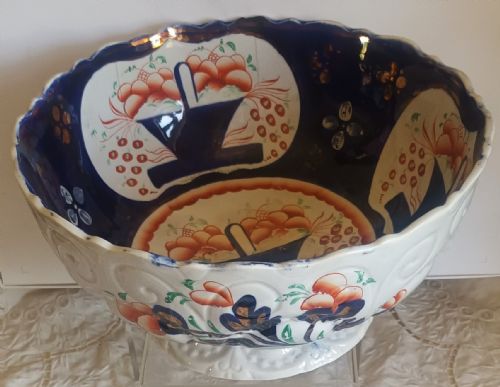
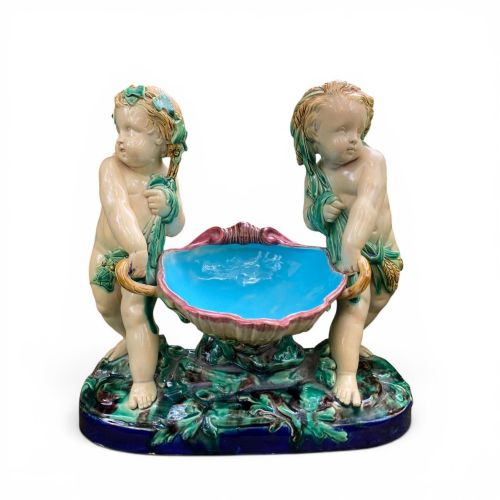
A Victorian ceramic fruit basket combines decorative ambition with practical serving form, drawing upon nineteenth-century aesthetics. These pieces typically take the shape of footed bowls, centrepieces, or handled baskets designed to display fruit.
The selections available here showcase the breadth of nineteenth-century ceramic production, spanning earthenwares and porcelains. Makers leaned into Victorian naturalism and Rococo Revival styles to create elaborate vessels for the home.
Materials and Techniques
Potters utilised earthenware and porcelain as foundational bodies, shaping them into elaborate basket weaves and footed bowls. These ceramic forms frequently received hand-painted details alongside coloured glazes to achieve realistic depictions of fruit and flora.
Many examples incorporate metallic embellishments such as gold leaf, gilding, or copper lustre to highlight moulded details. Transparent glazes seal the earthenware and porcelain surfaces, lending a glossy finish that endured decades of handling.
Victorian Ceramic Fruit Basket Retail Price Guide 2026
Typical asking prices for victorian ceramic fruit basket among the pieces listed under this phrase on Sellingantiques today, from the lower quarter to the upper quarter. They describe what is for sale here now, not the wider market.
Materials recorded across the inventory include enamel, earthenware, porcelain, copper lustre, and gold leaf.
Assessing Quality
Quality rests upon the crispness of the moulded relief and the precision of the hand-painted decoration. Superior pieces maintain clean lines in their woven basket textures and delicate application of colours.
The presence of specialised embellishments such as gilding or copper lustre marks the distinction between standard production and higher-tier work. Makers who integrated figural elements or intricate patterns achieved a more ambitious visual presence.
George Jones·Minton·C.G. Schierholz and Sohn·Volkstedt Porcelain
The Victorian Ceramic Fruit Basket Glossary
- Majolica
- A type of earthenware coated with an opaque tin glaze and painted with metallic oxide colours. This technique created vibrant, glossy finishes popular during the nineteenth century.
- Centrepiece
- A large decorative vessel placed in the middle of a dining table. These objects often held fruit or floral displays during formal meals.
- Gilding
- The application of gold leaf or gold powder onto a ceramic surface. It accentuates moulded details and adds reflective warmth to the piece.
- Comport
- A raised dish or bowl used for serving fruit or sweets. They stand on a distinct foot or pedestal above the table surface.
- Chestnut basket
- A specialised ceramic container designed for holding chestnuts at the table. These vessels often include matching undertrays and pierced walls.
Victorian Ceramic Fruit Basket: Frequently Asked Questions
How were these baskets used originally?
Victorian households utilised these ceramic vessels on dining tables and sideboards to present fresh fruit or sweetmeats during formal meals. They functioned as both practical tableware and prominent decorative displays.
Their substantial size and ornate designs made them focal points for entertaining guests. Many pieces were designed with matching trays to catch moisture or crumbs.
How do I care for an antique ceramic basket?
Gentle dusting with a soft, dry cloth preserves the fragile hand-painted details and metallic gilding found on these nineteenth-century surfaces. Avoid using harsh chemical cleaners or submerging pieces in water.
Display the vessels away from direct sunlight and areas prone to heavy temperature fluctuations. Careful handling prevents chipping the delicate earthenware or porcelain rims.
How can I tell different nineteenth-century periods apart?
Distinguishing periods relies on observing shifts in decorative styles, from the exuberance of Rococo Revival to later Victorian naturalism. Maker marks stamped or painted on the underside provide definitive dates and workshop origins.
Materials also offer clues, as early ironstone differs visibly in weight and density from fine porcelain or standard earthenware bodies. Examining the glaze and colouring techniques helps place an object within the nineteenth century.