



Victorian Ceramic Basket
A victorian ceramic basket brings sculptural plant and flower forms into nineteenth-century interiors through majolica, creamware, and porcelain.
Victorian Ceramic Basket
When you search for a victorian ceramic basket, you encounter nineteenth-century decorative vessels designed as fruit bowls, sweetmeat dishes, centrepieces, and figural ornaments. These pieces manifest across various styles such as Victorian Rococo Revival, Art Nouveau, Neoclassical, and Victorian Naturalism, spanning production dates from the 1860s through the early twentieth century.
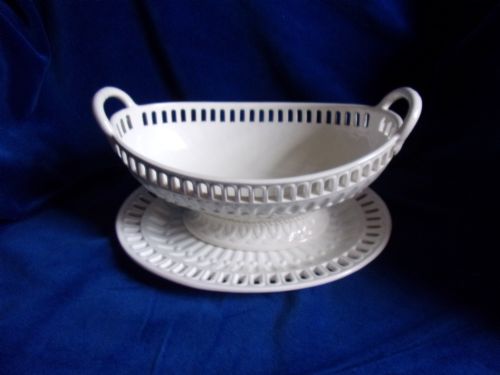
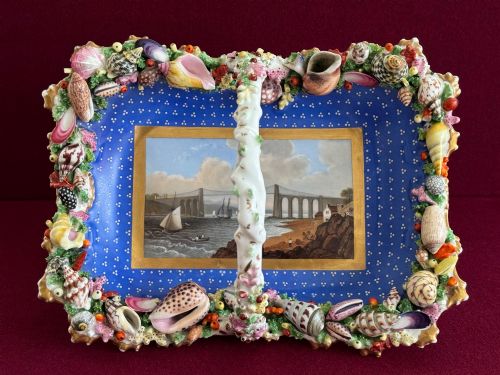
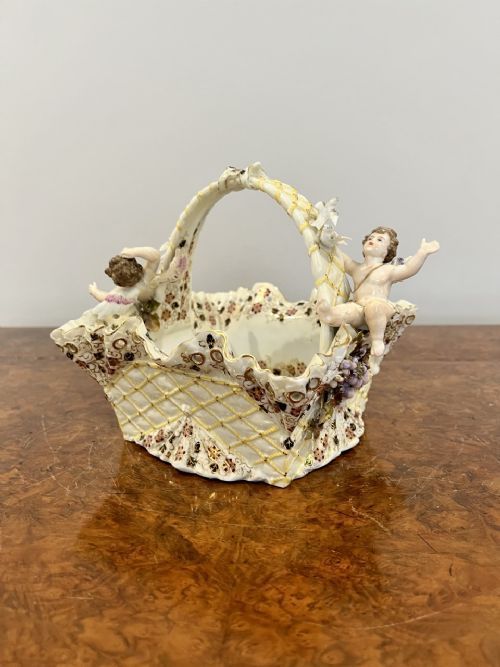
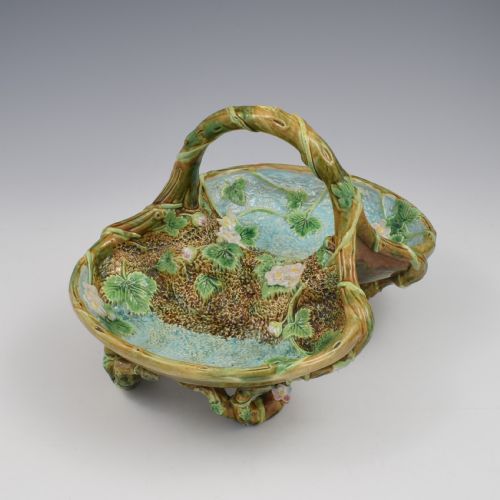
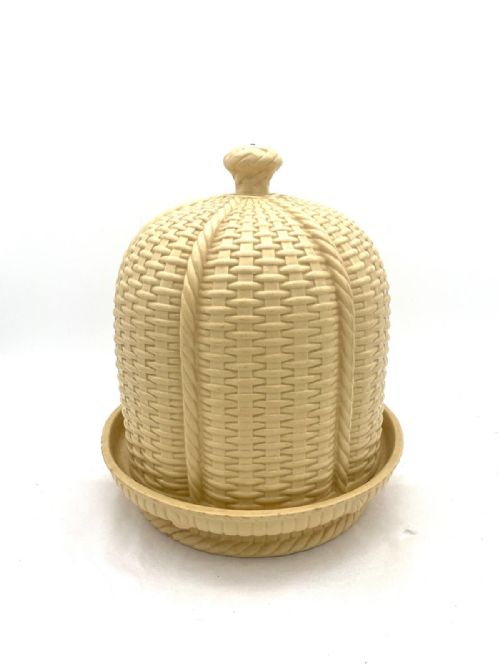
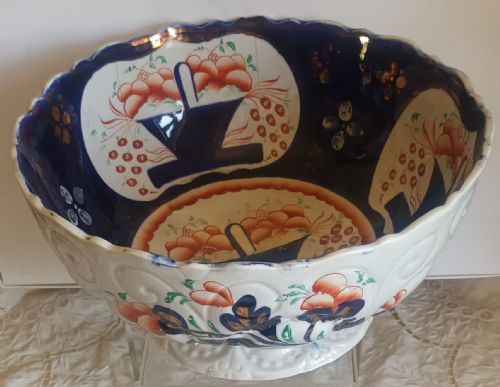
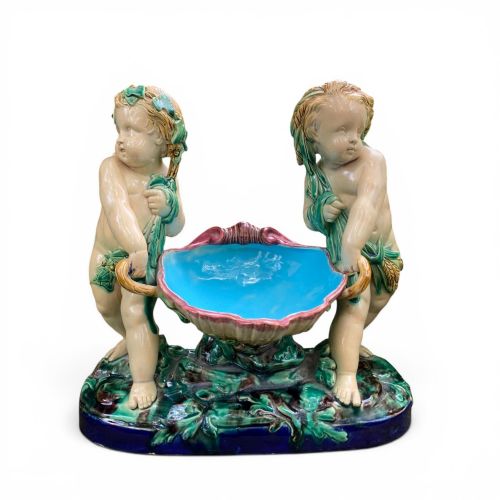
The objects appearing on this page range from Minton majolica fruit baskets with cherubs to Mason's ironstone chestnut baskets and intricate openwork porcelain dishes. Makers and potteries from England and continental Europe utilise earthenware, parian ware, terracotta, and glazed ceramic to shape woven textures, flower motifs, and figural supports.
How they were made
Potters and modellers shaped these pieces using earthenware, creamware, ironstone, and porcelain, often applying coloured glazes and enamel painting by hand. Majolica works receive thick, colourful lead glazes that pool in the recesses of moulded basket weave and fruit decoration.
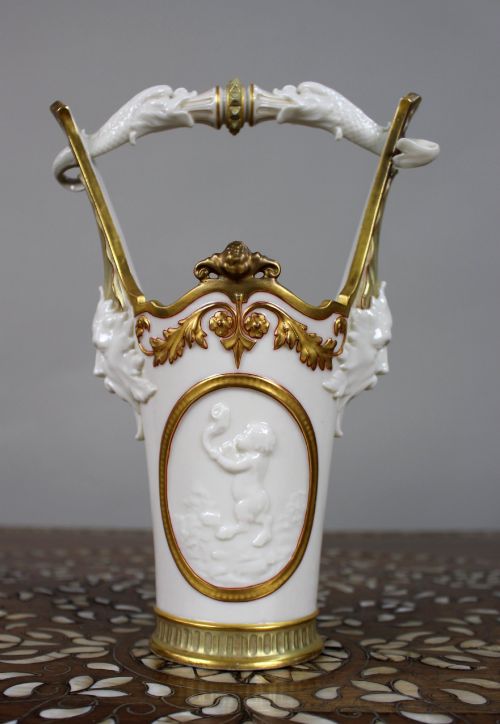
Factories employed specialised techniques including gold leaf gilding, parian casting for matte marble-like figures, and openwork piercing for lattice fruit dishes and chestnut trays. Hand-painted details bring depth to transfer-printed patterns like Gaudy Welsh floral motifs and Japanese-inspired basket designs.
Victorian Ceramic Basket Retail Price Guide 2026
Typical asking prices for victorian ceramic basket among the pieces listed under this phrase on Sellingantiques today, from the lower quarter to the upper quarter. They describe what is for sale here now, not the wider market.
Listings feature nineteenth-century materials including majolica glaze, parian ware porcelain, earthenware, and terracotta.
What varies in quality
The division between standard production wares and exceptional pieces rests upon the crispness of the modelling and the ambition of the form. Elaborate figural additions, such as cherubs, children, or animal supports, demand high levels of sculptural skill from the factory modellers.
Surface decoration dictates visual distinction, separating simple transfer-printed items from meticulously hand-painted porcelain or richly glazed majolica compositions. The refinement of openwork basket weave and the preservation of delicate applied floral elements reveal the original maker's investment of labour.
Royal Worcester·Minton·George Jones·Mason·Bernard Bloch·James Dudson·Royal Dux·Chamberlain Worcester·C.G. Schierholz and Sohn
The Victorian Ceramic Basket Glossary
- Majolica
- A type of earthenware covered with an opaque tin-lead glaze and brightly painted. Victorian versions often display naturalistic plant and fruit themes.
- Creamware
- A refined earthenware of a pale yellowish-white hue developed in the eighteenth century and continued into the nineteenth. Josiah Wedgwood notably advanced this pale ceramic body.
- Parian ware
- A fine-grained, unglazed porcelain resembling white marble in texture and appearance. It gained popularity in the nineteenth century for classical and figural sculptures.
- Ironstone
- A heavy, durable type of earthenware patented in the nineteenth century. It provides a sturdy body for intricately patterned tableware and decorative baskets.
- Comport
- A decorative footed dish or bowl elevated above the table surface. Victorian examples often serve as centrepieces for fruit or confectionery.
Victorian Ceramic Basket: Frequently Asked Questions
What were ceramic baskets used for?
Victorian households utilised these vessels to serve fruit, nuts, and sweetmeats during formal dining and drawing-room gatherings. Many functioned purely as decorative centrepieces on tables or sideboards to display natural or modelled flowers.
Larger versions accommodated floral arrangements, while smaller footed bowls held confectionery or visiting cards. Their intricate designs ensured they served as conversation pieces in domestic interiors.
How can I tell majolica from porcelain?
Majolica is constructed from a heavy earthenware body covered in thick, vibrant coloured glazes that create a glossy, pooled appearance. Porcelain possesses a finer, harder, and more vitreous body that often rings when lightly tapped.
Porcelain baskets frequently display delicate openwork or matte parian surfaces, whereas majolica embraces rich botanical colours and thick relief moulding. Inspecting the unglazed base or foot rim usually clarifies the underlying ceramic body.
Where were these baskets made?
Production centres spanned the Staffordshire potteries in England, alongside notable factories in Worcester and Derby. Continental manufacturers in Germany, Austria, and France also exported elaborate porcelain and terracotta figures to the British market.
English makers such as Minton and Royal Worcester dominated majolica and fine porcelain, while factories like Volkstedt and Royal Dux produced continental figural works.