



Victorian Cased Fish
These Victorian cased fish combine preserved river specimens and fitted silver or silver plated cutlery inside wooden and glass housing.
Victorian Cased Fish
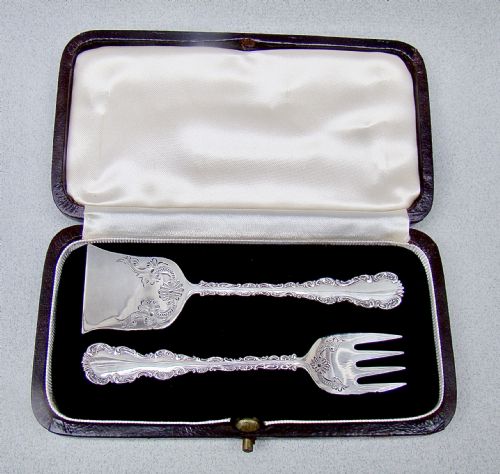
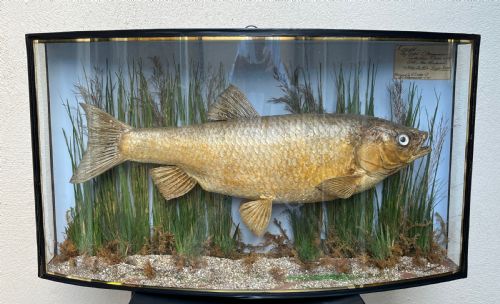
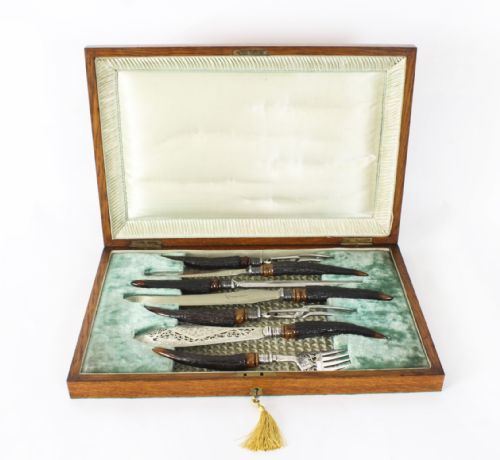
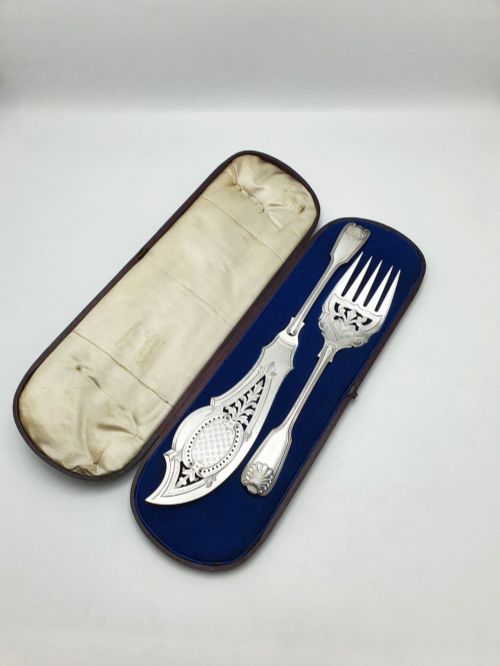
When you search for victorian cased fish, you encounter two distinct forms sharing a common era. The first consists of preserved taxidermy specimens mounted within glass and wood display cases, often featuring detailed painted riverbed backgrounds and dried reeds. The second comprises fitted cutlery sets, specifically fish servers and flatware housed in dedicated presentation boxes.
The taxidermy examples range from individual roach, tench, and rudd to golden carp and pike. Makers such as Little & Co, James Jones of London, and J. Cooper & Sons dominate the preserved specimen side of the market. These mounts record Victorian sporting achievements and angling records with specific dates and weights noted on internal labels.
The cutlery options include sterling silver and silver plated sets, sometimes paired with horn handles or engraved with hunting and dog motifs. Associated pieces involve marine barometers and sardine servers, reflecting the broader Victorian fascination with the natural world and formal dining customs.
Materials and construction
Taxidermy cases utilise wood for the outer frames and glass for viewing panels, enclosing preserved specimens set against paper backgrounds with dried reeds. The fish skins are mounted and painted by hand to retain natural iridescence, then secured inside sealed environments to protect the organic materials from dust and moisture.
Cutlery sets employ sterling silver or silver plate for blades and forks, shaped into fish slices and serving knives with engraved detailing. Handles are formed from natural materials including horn and antler, joined to metal components through traditional silversmithing techniques and housed in velvet lined boxes.
Victorian Cased Fish Retail Price Guide 2026
Typical asking prices for victorian cased fish among the pieces listed under this phrase on Sellingantiques today, from the lower quarter to the upper quarter. They describe what is for sale here now, not the wider market.
Anglers recorded their triumphs by mailing prize catches directly to London taxidermists for eternal preservation behind glass.
Quality variations
The visual appeal of taxidermy cases rests on the artistry of the taxidermist and the preservation of the specimen's colour and posture. Earlier works by known practitioners display superior landscape painting behind the fish and more convincing positioning within the reed work.
For cutlery sets, quality is judged by the crispness of the engraving on the silver blades and the selection of handle materials like antler or horn. Complete sets retaining their original fitted presentation boxes hold higher standing than assembled groups.
Little and Co·James Jones of London·J. Cooper and Sons·Henry Wilkinson·Elizabeth Eaton
The Victorian Cased Fish Glossary
- Taxidermy
- The art of preserving, stuffing, and mounting the skin of animals for display. In this category, it refers specifically to preserved fish mounted within glass cases.
- Fish server
- A matched knife and fork designed for serving fish courses at formal meals. They often feature wide, pierced blades decorated with engraved aquatic scenes.
- Silver plate
- A base metal coated with a thin layer of pure silver through electrochemical processes or plating techniques. This method provided the appearance of solid silver at a lower cost.
- Preserved specimen
- An animal subject treated with chemical solutions to prevent decay and maintain anatomical structure. These items form the central visual focus of Victorian taxidermy displays.
- Horn
- A tough, fibrous material derived from the horns of cattle or rams, utilised for knife handles and decorative elements. It offers a durable grip with natural tonal variation.
Victorian Cased Fish: Frequently Asked Questions
How should I clean a taxidermy fish case?
Glass exteriors require standard glass cleaner applied to a cloth rather than the surface directly. The interior environment should remain sealed to protect the delicate paper backgrounds and preserved specimen.
Opening the case risks introducing dust and humidity that damage historical taxidermy work. Dust the wooden frame gently with a dry, soft cloth.
Were fish servers used for daily dining?
These cased sets were designed for formal Victorian dining rooms rather than everyday meals. Fish courses required specialised cutlery due to the etiquette of separating flesh from bone without using standard steel knives.
Presenting these utensils in fitted boxes kept them protected between grand dinner parties. They represent the structured culinary habits of the nineteenth century.
How do I identify the maker of a taxidermy fish?
Makers frequently placed trade labels inside the glass case, often pasted on the interior woodwork or the back panel. These paper inscriptions record the taxidermist's business name and London address.
Cutlery sets bear hallmarks stamped directly into the silver or silver plate. These marks indicate the assay office, year of production, and silversmith's initials.
Where should I display a cased fish in my home?
These wall hanging or tabletop wooden cases need protection from direct sunlight to prevent the painted backgrounds and fish colours from fading. Stable room temperatures away from radiators preserve the wood and internal paper elements.
Cutlery sets function well inside glass fronted cabinets or kept in their original boxes. Their aesthetic complements traditional studies and dining spaces.