


Victorian Cased Bells
Victorian cased bells protect fragile things under clear glass, bringing quiet order and old charm to a room.
Victorian Cased Bells
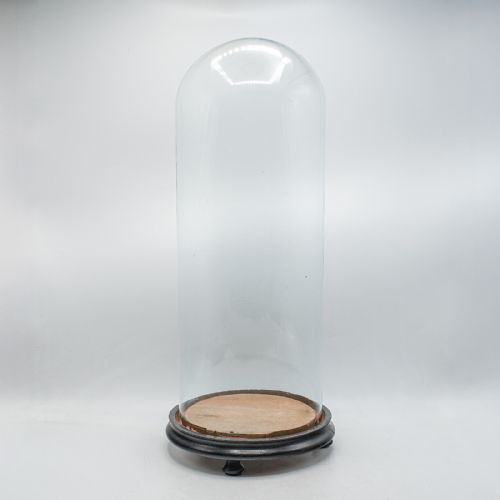
When you search for Victorian cased bells, you encounter clear glass covers and enclosures protecting delicate interior items. These pieces span periods from the mid-nineteenth century through the Edwardian era, taking forms such as display domes, cloches, taxidermy showcases, and fitted instrument cases.
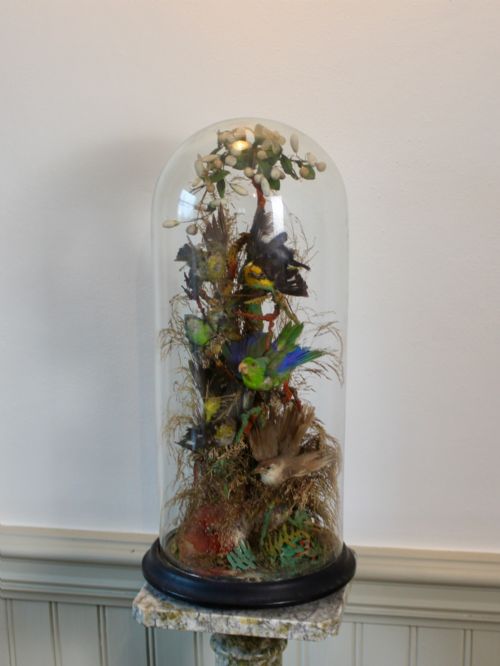
You are most likely to meet display domes and cloches housing taxidermy, beadwork bouquets, fruit, or clocks. Many sit upon wooden bases made of ebonised wood, oak, or pine, sometimes lined with velvet, felt, or fabric.
The selection ranges widely in origin and purpose, including English specimen cases alongside French mantel and carriage clocks operating on bells. Alongside these glass covers, the category also includes cased sets of handbells and standard weights.
Materials and construction
Makers formed the transparent covers from blown or drawn glass, shaping tall, wide, or oval bell domes to sit snugly upon wooden plinths. These bases typically used ebonised wood, oak, or pine, often prepared with internal grooves to secure the glass firmly in place.
Interiors frequently relied on delicate mounting materials such as velvet, felt, fabric, and feathers to support taxidermy specimens or beadwork bouquets. Metal components like brass appeared on clock movements, bells, and carrying cases, while clock enclosures employed rosewood or inlaid wood cases.
Snow buntings and colourful birds peer out permanently from beneath their glass sky, completely unfazed by passing decades.
Markers of quality
Quality rests in the clarity and thickness of the glass dome itself, where older hand-blown examples show subtle ripples and character missing from uniform modern panes. The proportion between the height of the dome and the depth of the wooden base dictates the visual balance of the piece.
Internal arrangement and preservation set superior examples apart from standard ones. Expert taxidermy compositions, intricate French beadwork bouquets, and fully functioning clock movements housed within fitted cases demonstrate higher craftsmanship than simpler, barren display vessels.
Paul Garnier·Dwerrihouse and Bell·Warners of London
The Victorian Cased Bells Glossary
- Dome
- A convex glass cover designed to protect fragile ornaments or specimens from dust. They usually sit upon a flat wooden base.
- Cloche
- A bell-shaped glass cover traditionally used in gardening or indoor display. The curved top resembles the silhouette of a French calling bell.
- Taxidermy
- The art of preparing, stuffing, and mounting animal skins for permanent display. Victorian examples often placed birds and small animals inside glass domes.
- Carriage clock
- A small, portable spring-driven clock designed for travel during the nineteenth century. Many featured striking mechanisms operating on a small internal bell.
- Ebonised wood
- Timber treated with a dark stain or finish to imitate expensive ebony. It provided a popular, contrasting black border for Victorian display bases.
Victorian Cased Bells: Frequently Asked Questions
What is inside a Victorian glass dome?
These glass enclosures typically house taxidermy specimens such as birds and small animals, or decorative items like French beadwork bouquets and fruit displays. Some examples protect delicate clocks or botanical collections.
Interior items were carefully arranged on fabric, velvet, or felt linings to prevent shifting and to enhance the visual presentation of the preserved specimens.
Are all these domes made of glass?
The transparent covers are consistently made of glass, shaped into tall, wide, flat-sided, or oval bell forms. The protective enclosures rely entirely on this material to keep dust away from the display.
However, the supporting structures beneath use various materials, including ebonised wood, oak, pine, and rosewood, often paired with brass fittings.
How do I date a Victorian cased bell?
Dating relies on examining the materials, construction methods of the wooden base, and the style of the enclosed items. Pieces range from the mid-nineteenth century through the Edwardian period around nineteen hundred.
Makers' marks on clock movements or internal labels can also help narrow down the decade of production for more specialised scientific or horological pieces.