
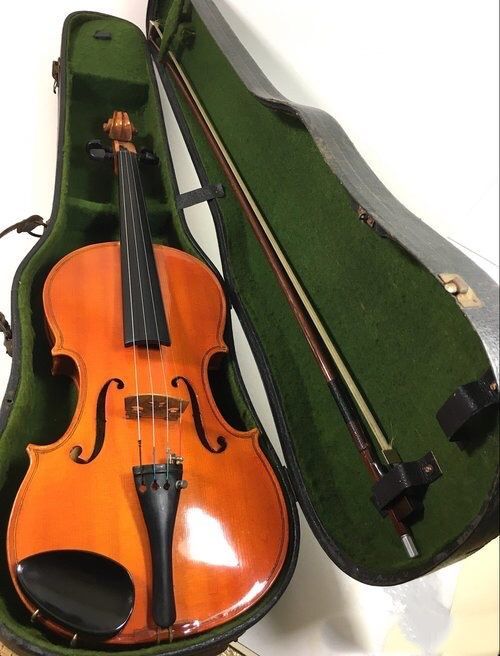

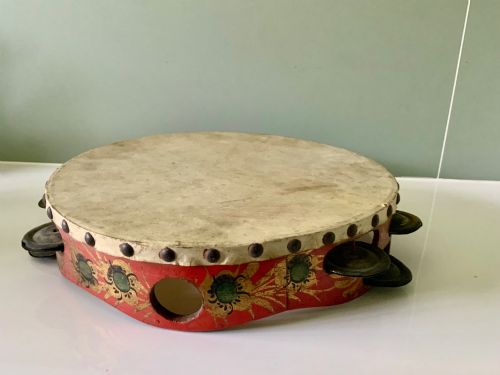


Antique Musical Instrument
An antique musical instrument brings the resonant history of sound into a room through wood, brass, and string.
Antique Musical Instrument
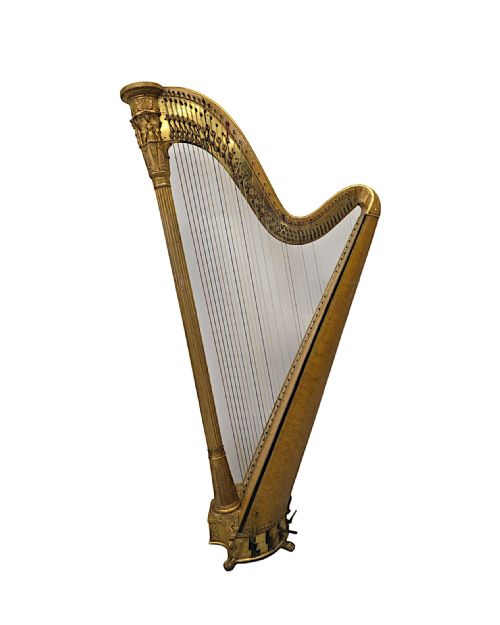
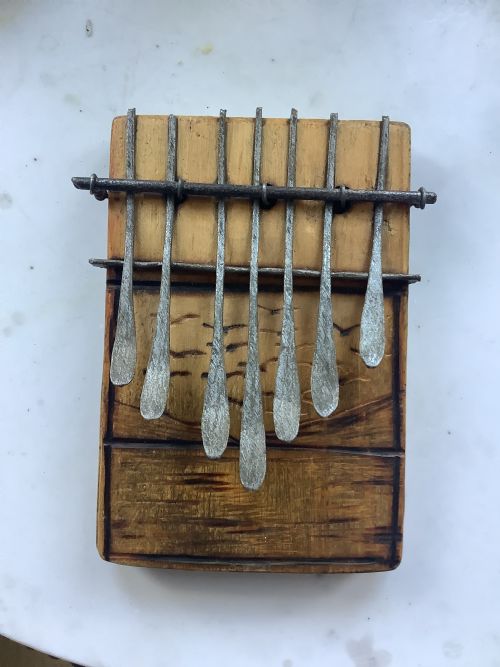
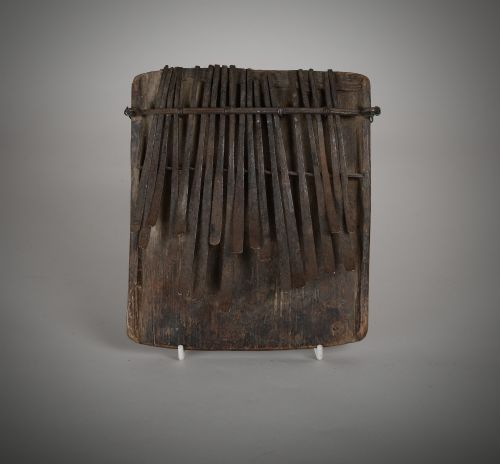
When you search for an antique musical instrument, you encounter a diverse catalogue spanning string, wind, percussion, and mechanical devices. These pieces range from full-size pianos and harps to diminutive brooches and scent bottles shaped like instruments.
The selection on this page frequently includes Victorian and Regency eras, alongside specialised items like walking sticks housing flutes, Swiss music boxes, and cased handbells. Each object demonstrates the craftsmanship of past centuries, intended for performance, display, or personal adornment.
How They Were Made
Maker workshops utilised traditional timbers such as rosewood, maple, spruce, and oak to construct bodies that project sound effectively. Metal components, including brass keys, bronze bells, and silver mountings, were cast and finished by hand.
Surface treatments involved careful polishing, gilding, and painting, often complemented by interior linings of velvet or leather within fitted cases. Structural joinery and delicate carving required specialised hand tools suited to intricate acoustic requirements.
Someone once concealed a working flute inside a walking stick, combining a musical performance with a leisurely stroll.
What Varies in Quality
Quality rests upon the integrity of the materials and the precision of the maker's execution. Pieces bearing signatures from known workshops or specific manufacturers demonstrate superior acoustic and visual refinement.
The degree of original preservation significantly impacts the standing of an item. Instruments retaining their authentic working mechanisms, unblemished timber patination, and original fitted cases command greater interest from collectors.
W.E Hill·Warners of London·Lachenal and Co·Steinway·JH Ebblewhite
The Antique Musical Instrument Glossary
- Cornopean
- An early nineteenth-century brass wind instrument akin to a cornet, valued for its distinctive lyrical tone. It represents an important developmental stage in brass band instrumentation.
- Marimbaphone
- A percussion instrument combining wooden bars with resonators, frequently constructed with oak frames and brass components. It produces a bright, percussive melody when struck with mallets.
- Lithophone
- A musical instrument consisting of stones or bronze plates struck to produce musical notes. Historical examples often originate from East Asian traditions.
- Tambourine
- A frame drum with metal jingles set into the shell, sometimes featuring hand-painted decoration. Regency examples combine folk utility with decorative surface art.
- Caryatid
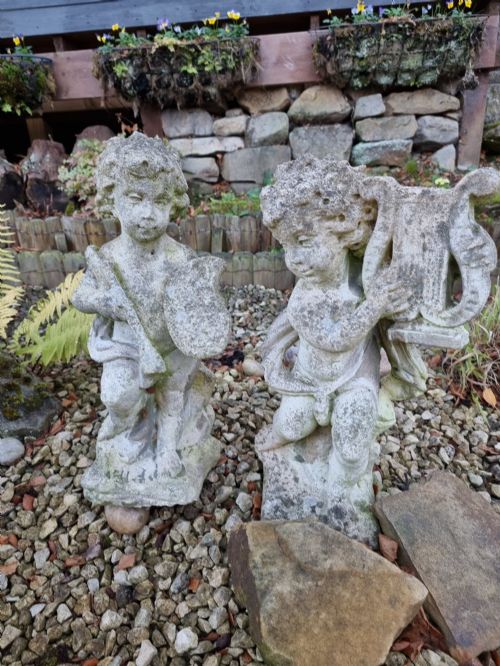
- A sculpted female figure serving as an architectural support, occasionally depicted holding musical instruments in seventeenth-century Flemish woodcarvings. These figures integrate decorative sculpture with thematic artistry.
Antique Musical Instrument: Frequently Asked Questions
Are these instruments still playable?
Many items retain their functional capacity, though older pieces often require specialist restoration to ensure proper pitch and mechanical operation.
Cased sets and novelty pieces function primarily as decorative objects or collector items rather than daily performance tools.
What materials were commonly utilised?
Workshop production relied heavily on resonance woods such as spruce and maple, paired with durable hardwoods like rosewood and oak.
Brass, bronze, and solid silver frequently appeared in wind mechanisms, bells, and decorative novelty items.
How should I care for a wooden instrument?
Maintain stable environmental humidity and temperature to prevent the timber from warping or cracking over time.
Avoid direct sunlight and treat polished surfaces gently with appropriate conservation waxes.