
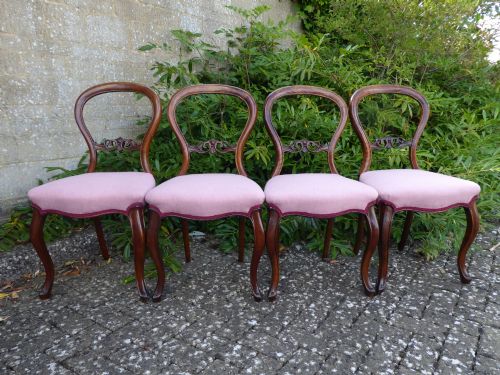
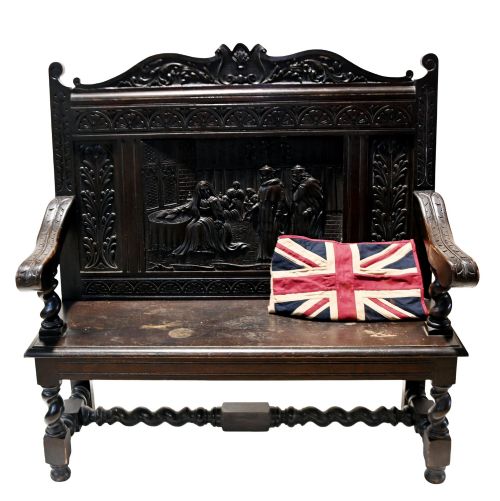
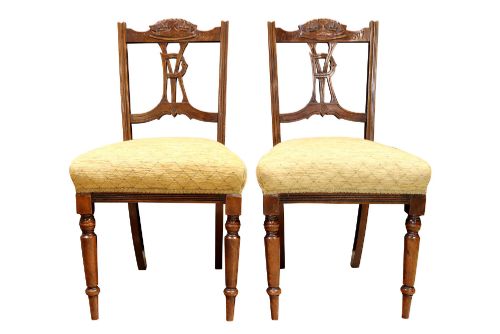
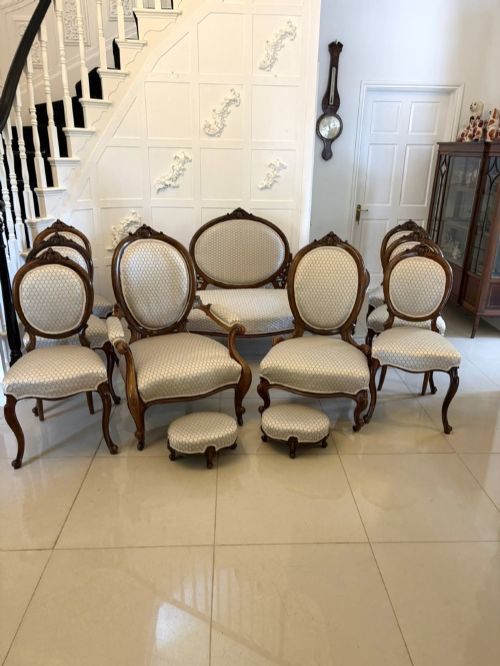

Victorian Carved Walnut Seats
Victorian carved walnut seats bring rich timber warmth and elaborate nineteenth-century craftsmanship into domestic spaces.
Victorian Carved Walnut Seats
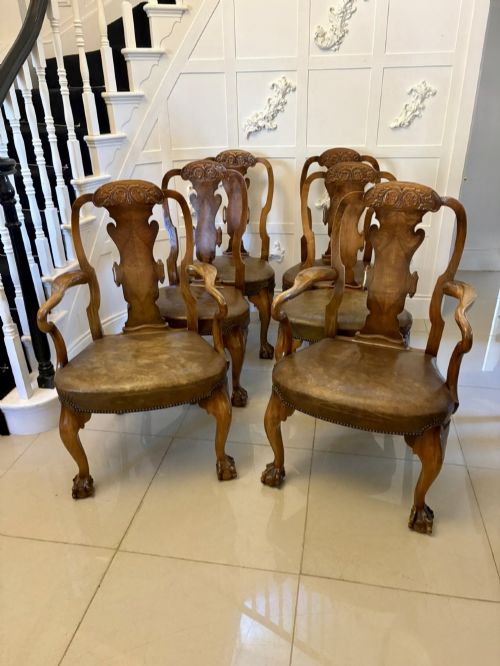
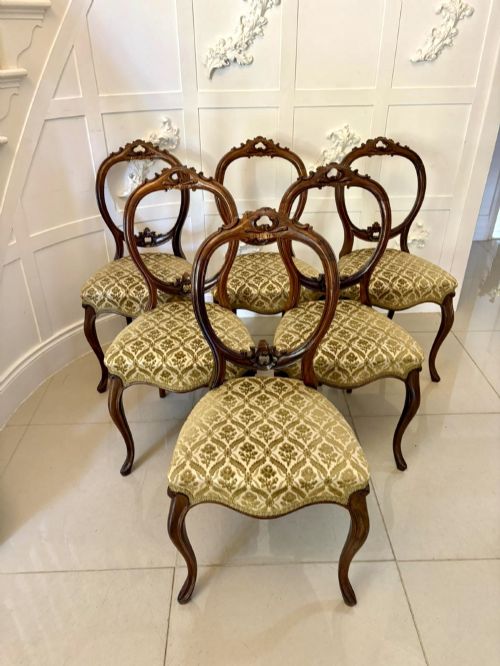
Victorian carved walnut seats encompass a diverse group of nineteenth-century domestic furniture designed for sitting, resting, and working. Buyers searching this phrase most commonly encounter dining chairs, side chairs, and armchairs alongside various stools and occasional seating.
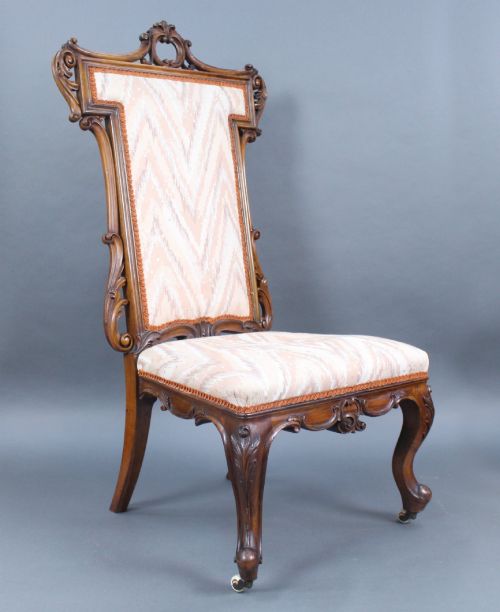
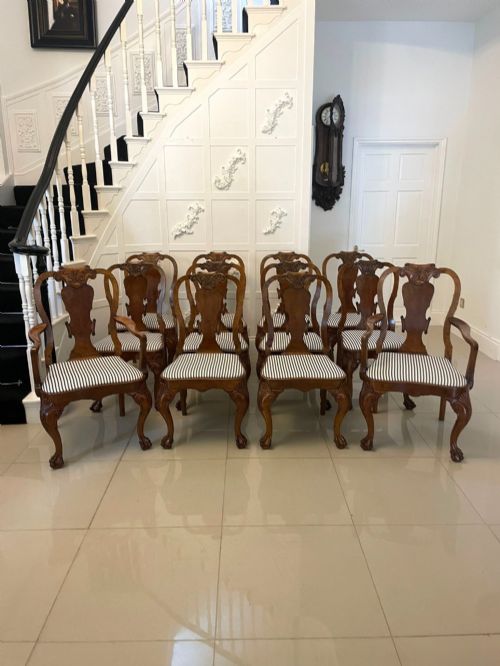
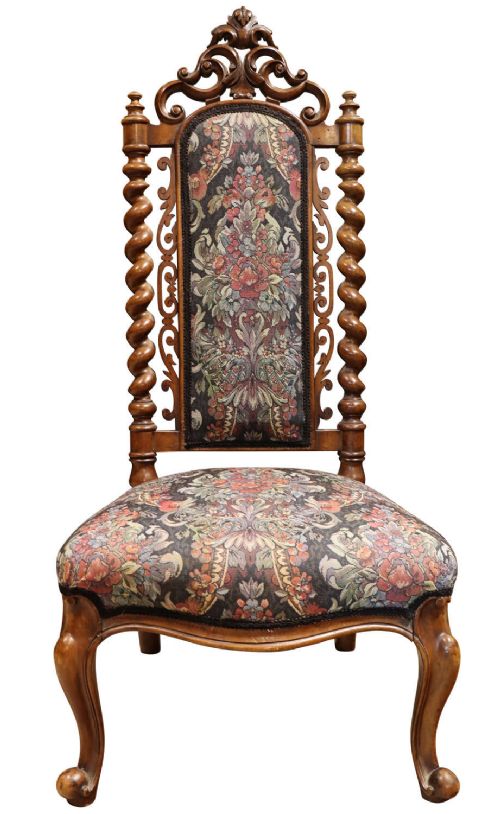
The selection extends from single salon chairs and nursing chairs to matching sets of dining chairs and multi-piece salon suites. Regional and stylistic variations appear across the inventory, including Scottish Baronial forms, Queen Anne revivals, and Rococo Revival designs.
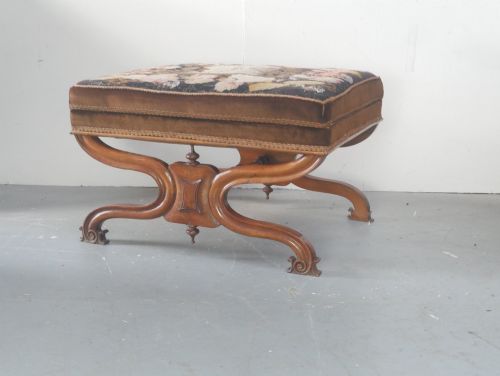
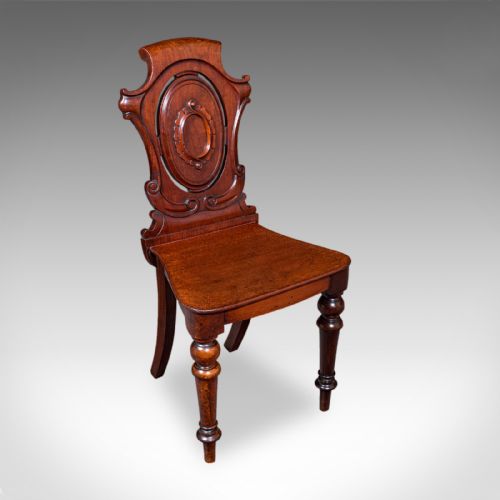
Workmanship spans standard domestic seating to exhibition-quality suites with detailed carved frames and various upholstery options. Functional forms range from revolving desk chairs and piano stools to traditional footstools and hall chairs.
Judging Quality
Quality separates through the depth and crispness of the timber carving, distinguishing master workshop execution from standard production. Superior examples maintain structural integrity in their joints while displaying carefully selected walnut grain patterns.
The sophistication of the design and the completeness of matching sets or suites determine the upper tier of the range. Original upholstery treatments and specialised mechanical elements, such as revolving desk actions or adjustable screw mechanisms, further elevate the standing of individual pieces.
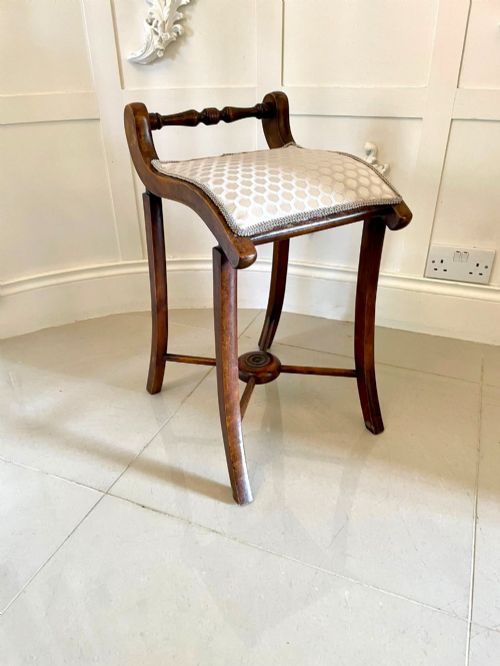
Object forms on this page include dining chairs, armchairs, piano stools, hall chairs, and revolving desk chairs.
The Victorian Carved Walnut Seats Glossary
- Cabriole leg
- A furniture leg that curves outward and then tapers inward to a foot, typical of revival styles. This shape mimics the natural bend of an animal's leg.
- Balloon back
- An oval-shaped chair back popular in nineteenth-century seating design. The continuous curved wooden frame resembles the outline of a balloon.
- Burr walnut
- Timber taken from the warted growths of walnut trees, yielding complex swirling grain patterns. Cabinetmakers prize this wood for decorative veneering.
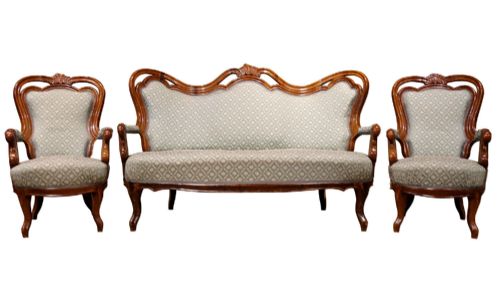
- Salon suite
- A matching set of upholstered seating and complementary furniture intended for a formal reception room. These suites often share uniform carving and textile coverings.
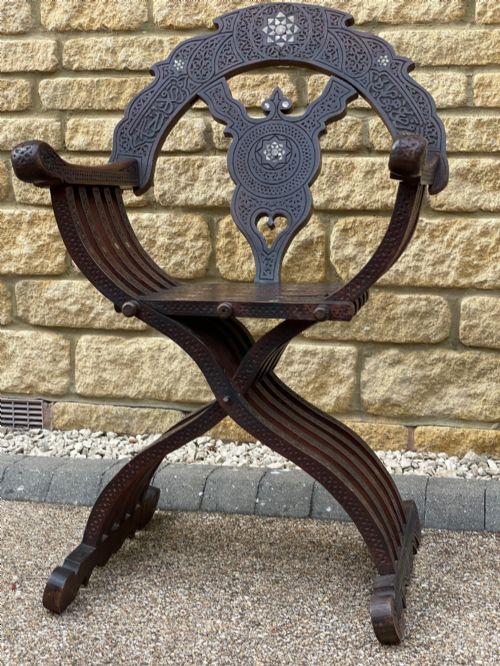
- X frame
- A structural base formed by two intersecting diagonal members supporting a seat. This geometric design appears on various nineteenth-century stools and chairs.
Victorian Carved Walnut Seats: Frequently Asked Questions
How do I identify a Victorian walnut chair?
Look for dense, dark walnut timber beneath the upholstery, often accompanied by characteristic nineteenth-century revival motifs like cabriole legs or balloon backs. Construction methods and joinery typical of the period confirm the manufacturing era.
Examine the carved details on the crest rail and frame for the hand-chiseled crispness associated with Victorian cabinetmaking.
Can I use these chairs for daily dining?
Many nineteenth-century dining chairs and sets remain sturdy enough for regular daily use when the underlying joinery is sound. Checking the stability of the frame and legs ensures the timber withstands everyday seating demands.
Periodic inspection of the upholstery webbing and joints helps maintain structural safety over time.
What is the difference between a nursing chair and a salon chair?
Nursing chairs typically feature low seats and supportive upholstered backs designed for comfort during domestic tasks. Salon chairs generally offer higher proportions and upright frames intended for formal reception rooms.
Both types utilise carved walnut framing and decorative textile upholstery.
How should I care for antique walnut furniture?
Keep walnut seating away from direct sunlight and heat sources to prevent the timber from drying out and splitting. Regular dusting with a soft, dry cloth preserves the polished surface without damaging the wood.
Avoid commercial silicone sprays and rely instead on traditional beeswax polishes formulated for antique timber.