

Victorian Carved Walnut Desk
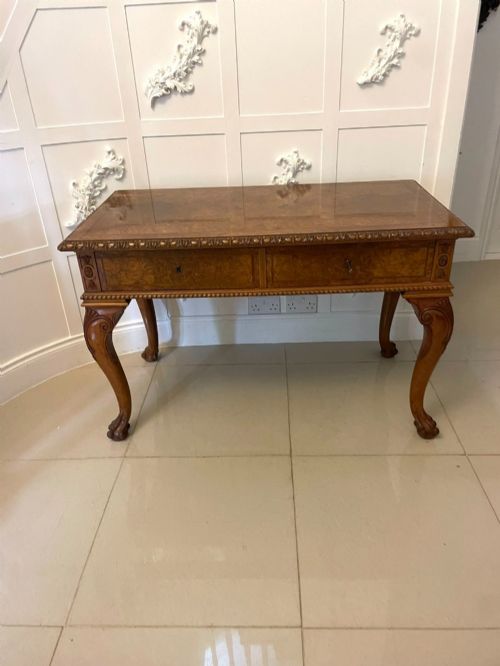
A victorian carved walnut desk brings rich timber grain, deep carving and practical writing surfaces into a room.
Victorian Carved Walnut Desk
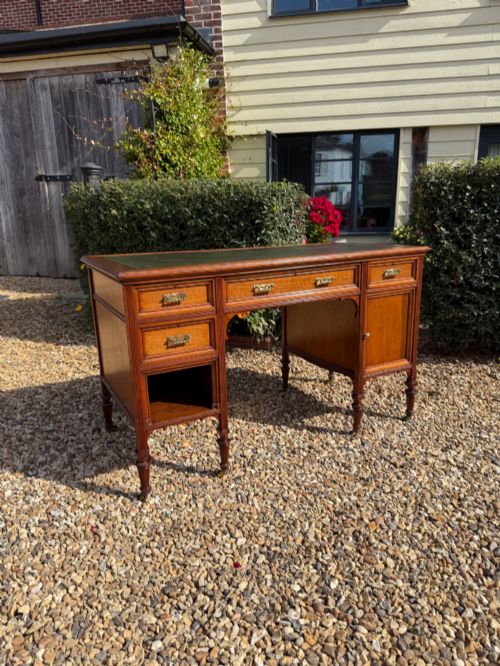
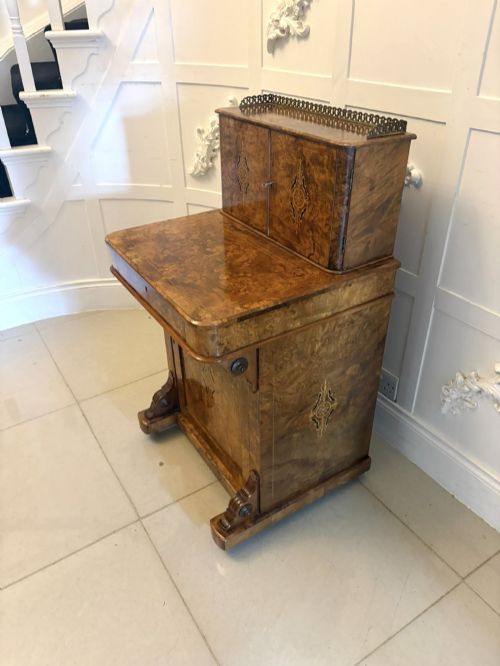
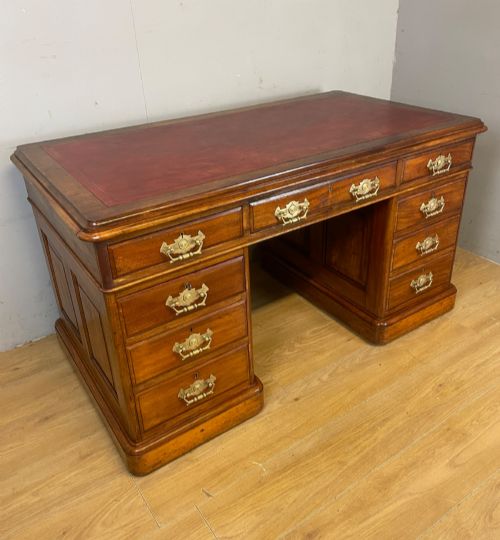
A victorian carved walnut desk encompasses pedestal forms, partners desks, writing tables and compact davenports produced across the nineteenth century. Buyers searching for a victorian carved walnut desk will frequently encounter pedestal and partners formats fitted with inset leather writing surfaces.
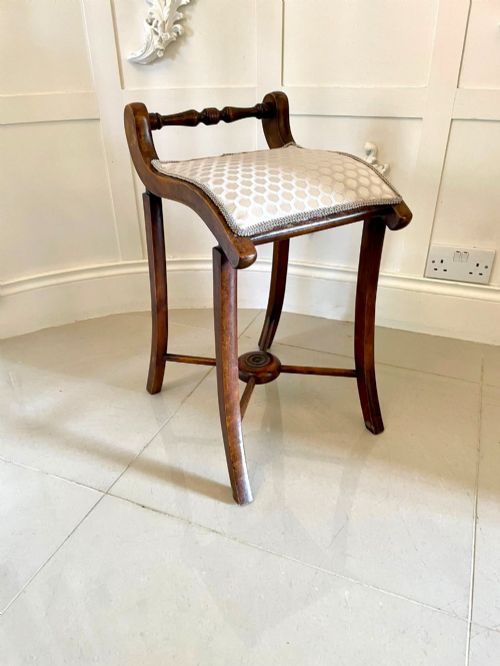
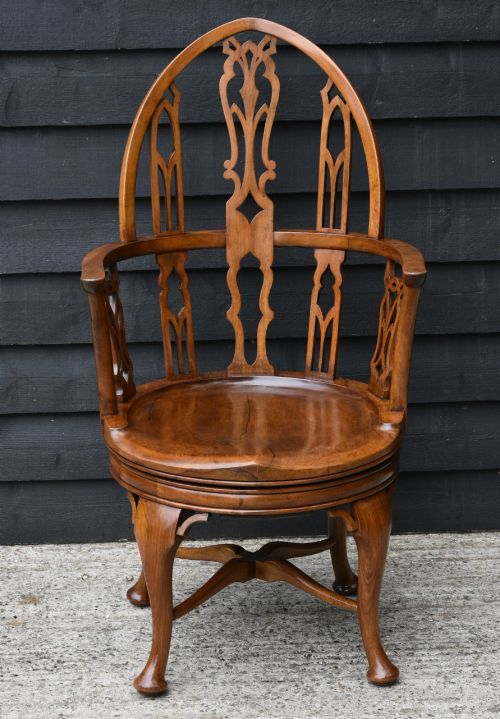
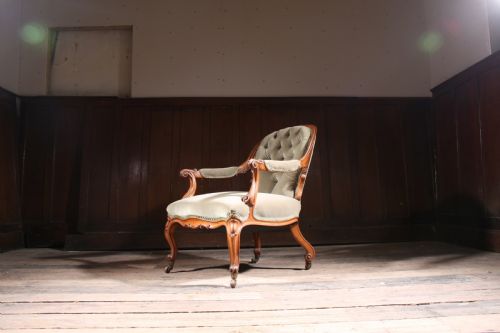
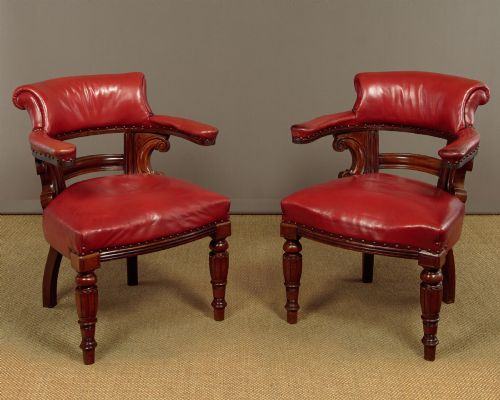
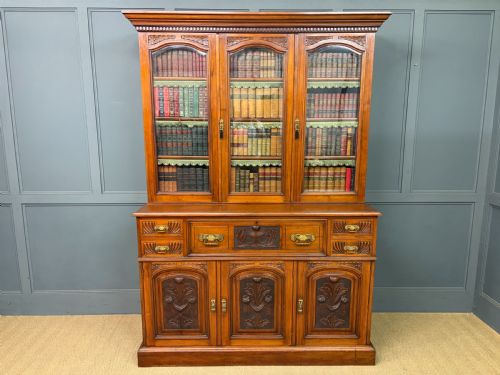
The selection spans straightforward nineteenth-century models alongside revival aesthetics, incorporating bureau writing desks, secretaire bookcases and revolving desk chairs. These objects served domestic libraries, studies and offices, combining functional compartments with decorative carving.
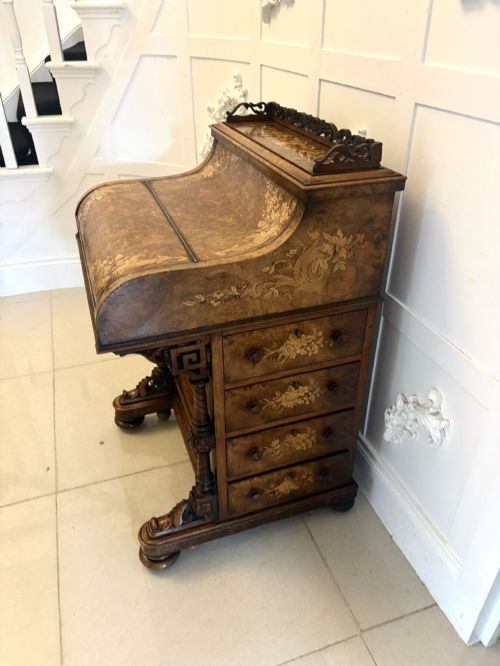
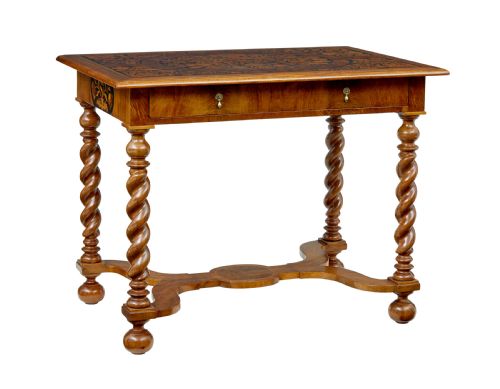
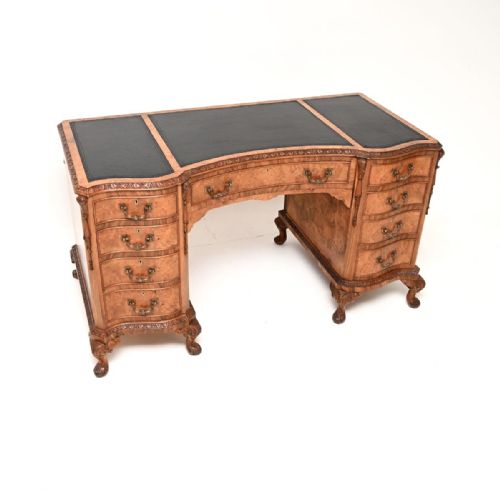
Originating primarily within the Victorian period, these pieces demonstrate styles ranging from plain nineteenth-century utility to intricate floral marquetry and carved paw feet. Plain walnut and figured burr walnut dominate the forms available on this page.
How they were made
Cabinet makers utilised solid walnut and applied burr walnut veneers over secondary timbers such as oak, shaping panels and framing around substantial writing carcases. Leather inserts, often tooled with gilt decoration, provide the primary writing surface across pedestals and tables.
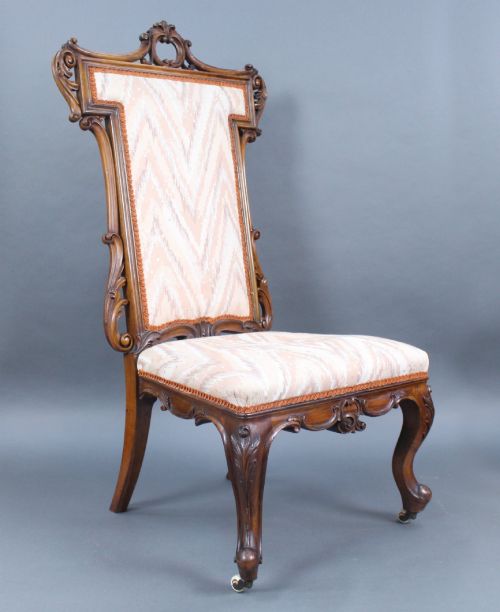
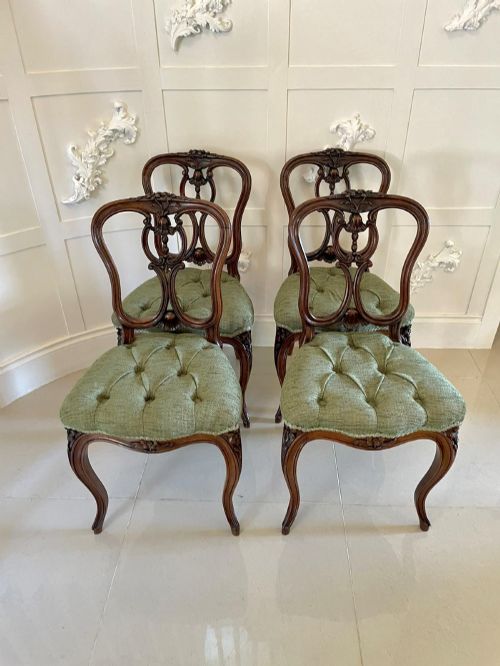
Carved details, including cabriole legs and paw feet, emerge directly from the timber frame, while brass hardware secures drawers and internal compartments. Secondary materials such as ormolu mountings and glass appear alongside upholstery fabric on associated seating.
Listings feature walnut, oak, brass, leather, and fabric across nineteenth-century periods including Victorian and Aesthetic Movement styles.
What varies in quality
The standard of a victorian carved walnut desk rests on the selection of figured burr timber, the depth and crispness of the hand-carved ornamentation, and the integrity of the secondary structural woods. Superior examples display balanced proportions, meticulous marquetry or floral inlay, and original brass or leather components.
Lesser pieces exhibit simpler construction without figured grain, or rely on mechanical uniformity rather than hand-finished joinery. The presence of documented maker signatures elevates specific pedestal desks and writing tables above standard workshop production.
Maple and Co·Edwards and Roberts·Hindley and Sons
The Victorian Carved Walnut Desk Glossary
- Burr Walnut
- A figured timber harvested from tree growths, producing swirling grain patterns prized for decorative veneer on desk surfaces.
- Partners Desk
- A large double-sided pedestal desk designed for two people to work opposite one another.
- Davenport
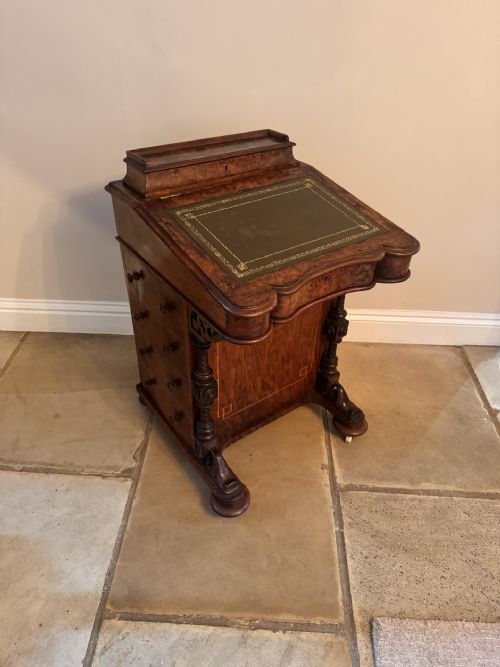
- A compact compact writing desk featuring a sloped writing lid above a bank of side drawers.
- Secretaire
- A cabinet or desk incorporating a pull-down writing flap that conceals small drawers and pigeonholes.
- Marquetry
- Decorative patterns formed by fitting contrasting pieces of veneer into a timber ground.
Victorian Carved Walnut Desk: Frequently Asked Questions
What is a partners desk?
A partners desk provides workspace on both sides through opposing banks of drawers or cupboards. These large pieces allowed two individuals to sit and work face to face.
They represent some of the most substantial writing furniture produced during the period.
What is a davenport desk?
A davenport is a small writing desk featuring a sloping, hinged writing surface and drawers opening to the side. It offers a compact footprint suitable for writing letters in smaller rooms.
Many examples include interior compartments and a pen tray beneath the lid.
Are these desks suitable for daily work?
These desks provide functional writing surfaces, substantial drawer storage and sturdy timber construction. Their traditional proportions accommodate modern writing tasks and paperwork.
Care should be taken to protect antique leather inserts and polished timber finishes during daily use.
How do I date a walnut desk?
Dating relies on architectural styles, construction methods, hardware types and timber preparation. Pieces from the nineteenth century often exhibit specific revival influences or maker stamps.
Comparing secondary woods and drawer linings helps determine the period of manufacture.