



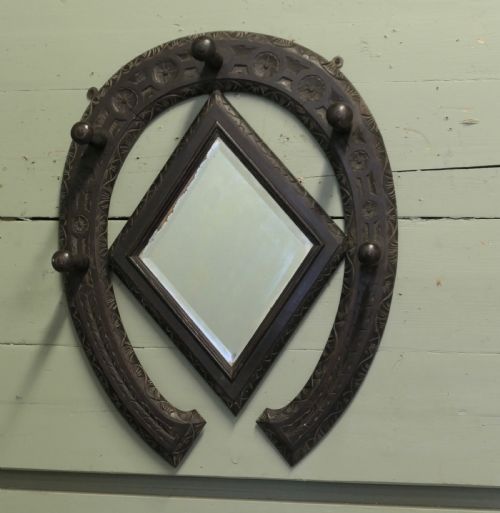

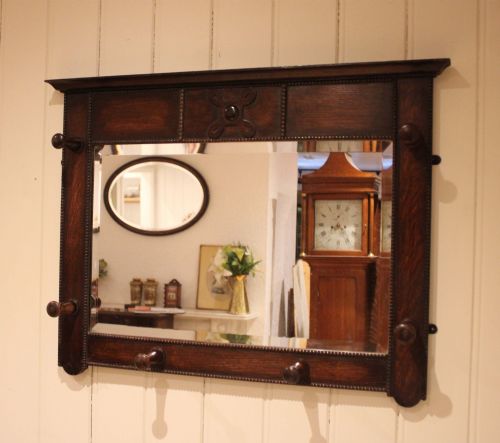


Victorian Carved Wall Rack
These pieces for a victorian carved wall rack bring timber and metal together for hanging and display, offering practical storage with distinct period character.
Victorian Carved Wall Rack
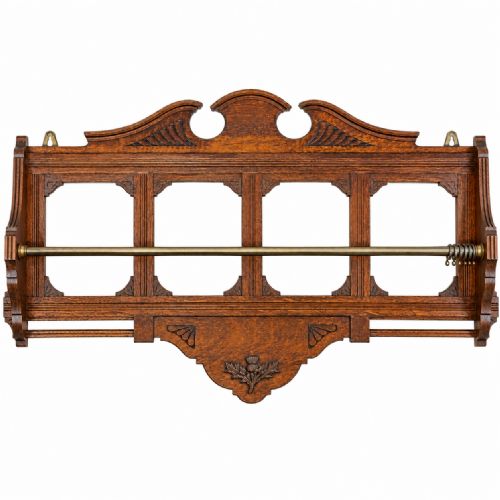
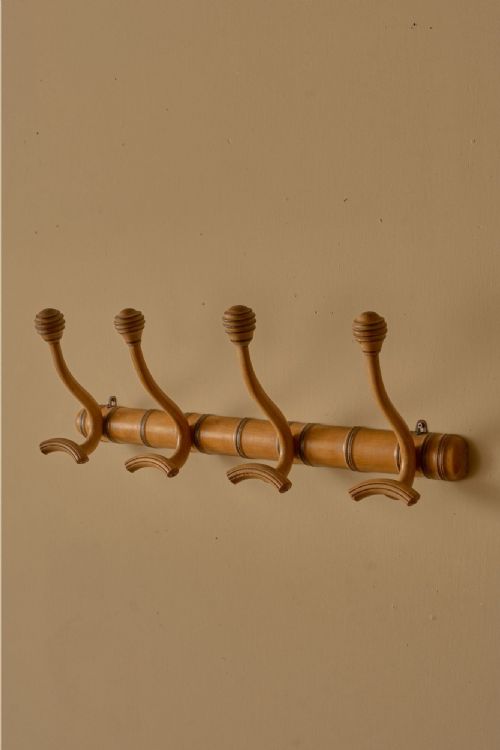
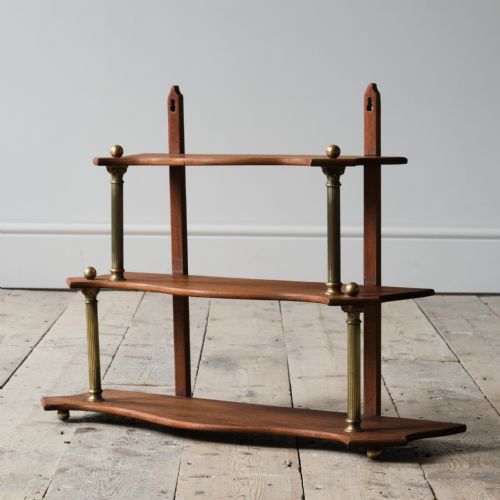
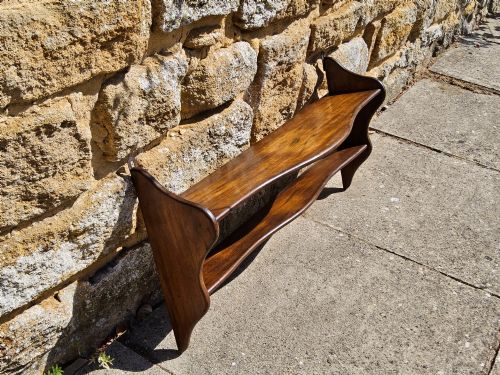
A victorian carved wall rack combines timber shelving with integrated hooks or mirrors designed to mount directly onto a wall. When you search for a victorian carved wall rack, you encounter formats ranging from simple coat and hat hooks to multi-tiered display shelves and hall mirrors.
Most examples date from the nineteenth century, spanning stylistic revivals such as Gothic and Black Forest carving alongside standard Victorian output. Oak and mahogany form the core of these pieces, often enriched with brass fittings or ceramic elements.
Makers utilised wall space efficiently in domestic hallways, kitchens, and parlours, producing functional furniture that doubled as decorative woodwork.
Materials and construction
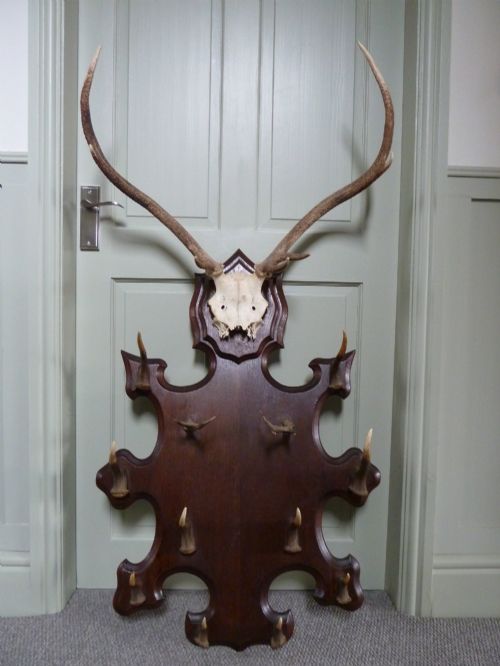
Cabinetmakers worked predominantly in hardwoods like oak, mahogany, walnut, and linden wood, shaping supports through hand carving and fretwork. Regional variations introduce fruitwoods and pine, while Black Forest pieces frequently employ linden wood alongside natural horn and antlers.
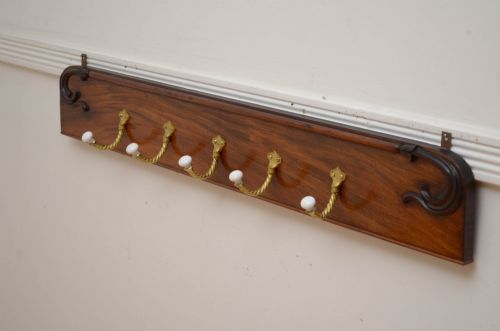
Hardware integration defines the construction, with brass hooks, twisted rope motifs, and bevelled glass mirrors secured directly into the timber backplates. Joints rely on period joinery techniques appropriate to hanging furniture, ensuring structural stability under the weight of coats and crockery.
Victorian Carved Wall Rack Retail Price Guide 2026
Typical asking prices for victorian carved wall rack among the pieces listed under this phrase on Sellingantiques today, from the lower quarter to the upper quarter. They describe what is for sale here now, not the wider market.
Several items incorporate taxidermy mounts and genuine chamois goat horns to greet visitors in the hallway.
Judgements of quality
Depth and precision of the hand carving separate mass-produced items from superior workshop output, particularly in Black Forest or Gothic Revival examples where animal forms and foliage require skilled execution. The choice of timber grain and the integrity of the original finish dictate visual presence.
Hardware originality preserves the integrity of a piece, distinguishing items with period brass or ceramic hooks from those with later replacements. Robustness of the wall-mounting structure and the clarity of bevelled mirror plates indicate the standard of original manufacture.
The Victorian Carved Wall Rack Glossary
- Black Forest
- A nineteenth-century style of intricate wood carving originating from the Swiss and German regions, known for naturalistic animal and foliage motifs. Pieces often incorporate real horns or antlers.
- Gothic Revival
- An architectural and decorative style drawing on medieval forms, featuring pointed arches, tracery, and heavy carved details.
- Bevelled plate
- A mirror glass with angled edges that create a framed, reflective depth within a wooden mount.
- Wall bracket
- A projecting shelf or support fixed to a wall, frequently employed for display or clock placement.
Victorian Carved Wall Rack: Frequently Asked Questions
How do I hang a heavy wall rack?
These pieces require secure fixing directly into wall studs or solid masonry using appropriate screws through the structural backplate.
Because nineteenth-century timber adds significant weight, professional installation ensures the rack safely supports coats and stored items.
What is the difference between Black Forest and standard Victorian racks?
Black Forest pieces originate from Central Europe and feature deep, naturalistic carvings of animals, deer antlers, and foliage.
Standard Victorian racks tend to focus on geometric mouldings, turned wood, and formal Gothic or classical revival styles.
Were these racks used in hallways or kitchens?
Both locations served as primary spots depending on the specific form of the piece. Coat and hat racks equipped with mirrors or hooks belonged in entrance halls.
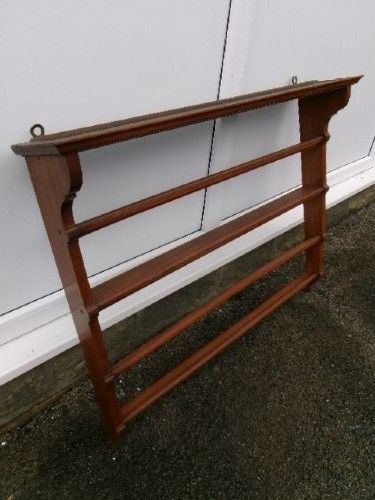
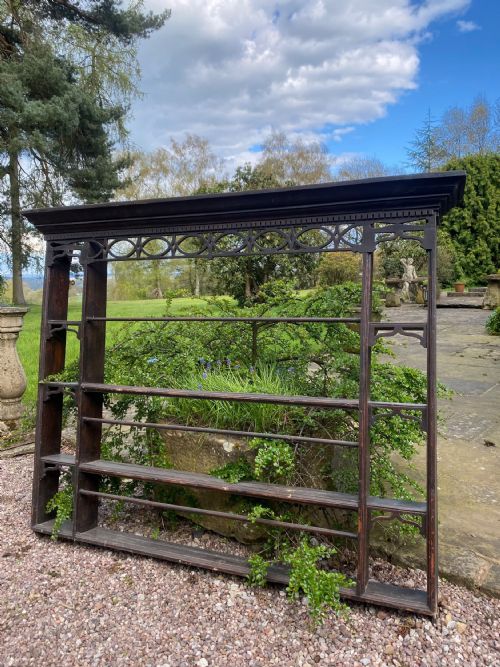
Plate racks, shallow shelving units, and cupboards functioned primarily in kitchens or dining rooms for storage.
How should I clean carved wooden shelves?
Dust intricate carvings gently with a soft-bristled brush to lift debris from recessed corners without abrading the timber.
Apply occasional applications of traditional beeswax to nourish the wood surface and preserve the historic finish.