



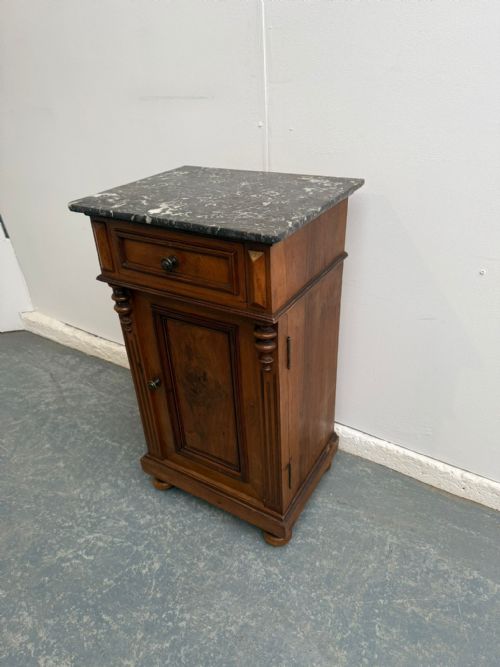
Victorian Carved Pot Cupboard
A victorian carved pot cupboard brings tidy utility and rich timber grain to the bedside.
Victorian Carved Pot Cupboard
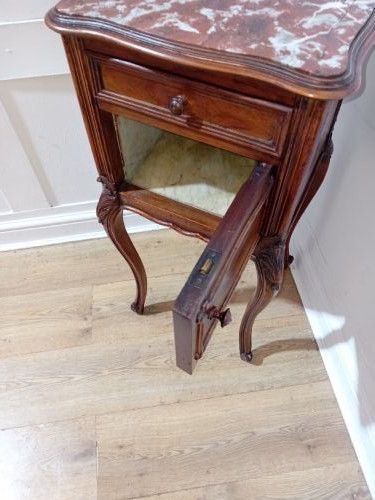
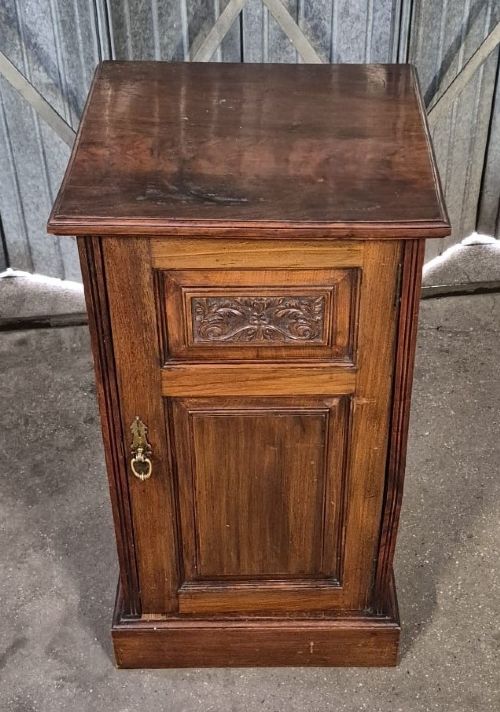
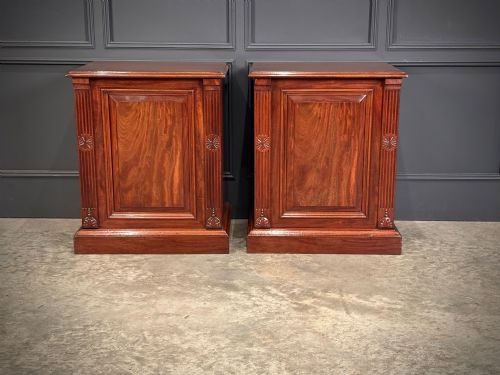
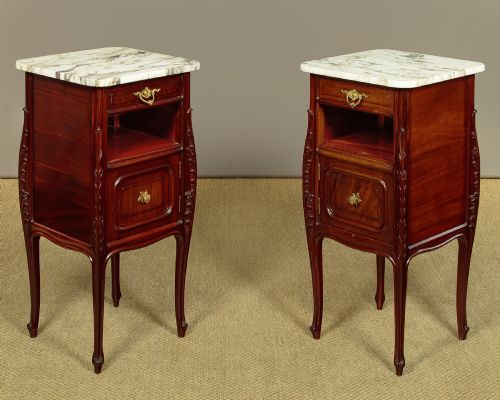
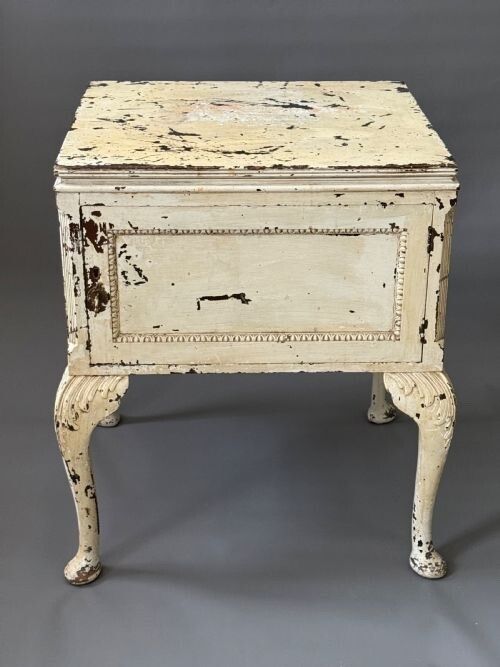
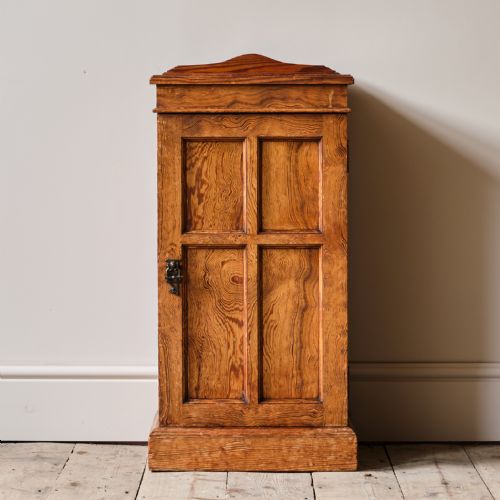
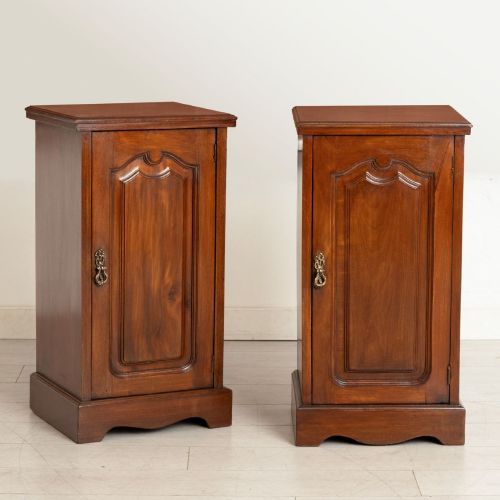
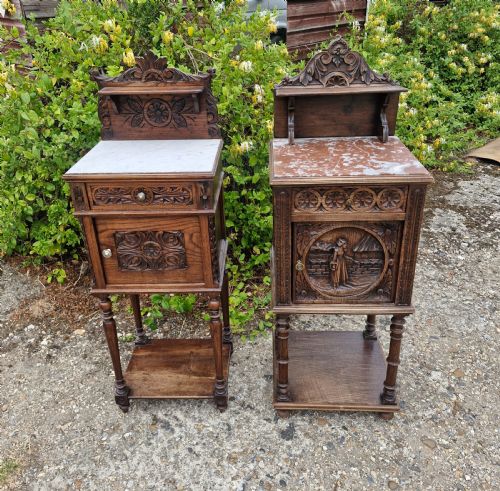
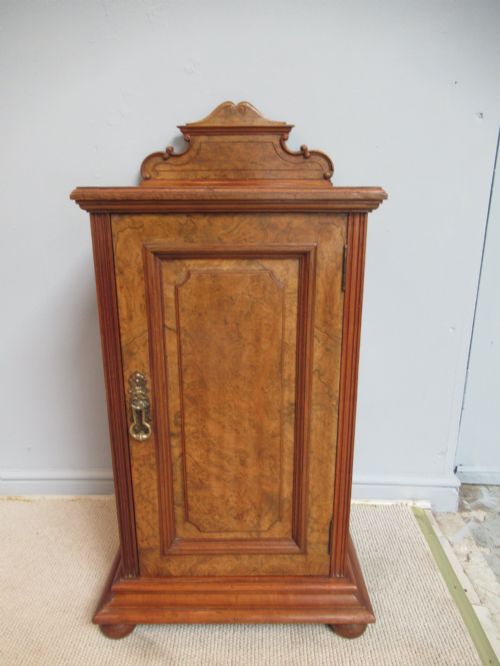
A victorian carved pot cupboard is a compact bedside cabinet designed originally to house a chamber pot behind a single panelled door. These pieces surface most frequently in mahogany, walnut, and oak, often topped with marble or fitted with a small drawer above the primary cupboard space.
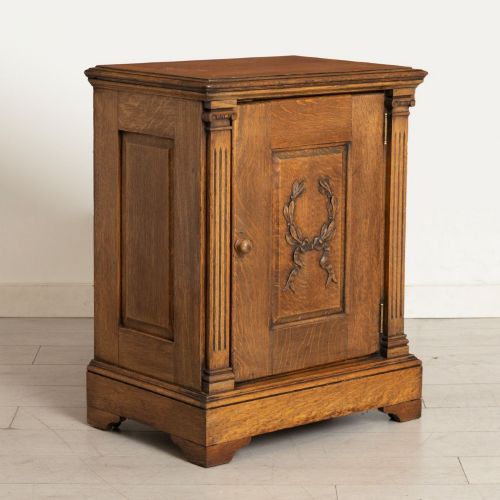
The selection ranges from simple nineteenth-century pine and ash versions to elaborately figured burr walnut and mahogany models adorned with floral marquetry or linenfold carving. Styles span plain utilitarian forms to revivalist designs including Gothic Revival and Renaissance Revival.
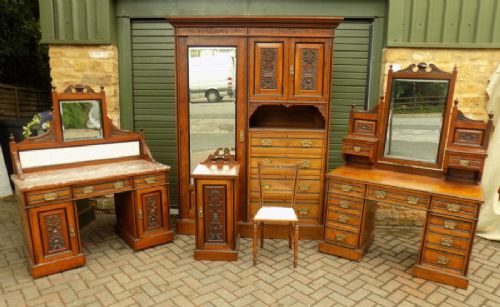
Bedside cabinets and pedestal cabinets dominate the selection, though occasional larger hall cupboards and bedroom suite components appear. Most pieces date from the mid to late nineteenth century, reflecting the Victorian domestic focus on concealed bedroom sanitation.
Materials and construction
Cabinet makers relied heavily on hardwoods such as mahogany, walnut, and oak, frequently selecting figured veneers like burr walnut and flame mahogany for visible exterior surfaces. Pine and ash served reliably for secondary framing and internal carcass work.
Surface decoration involved hand carving, floral marquetry inlay, and occasional painted finishes, complemented by functional brass hardware. Marble tops provided a durable, wipe-clean surface resistant to water and cosmetic spillages.
Victorian Carved Pot Cupboard Retail Price Guide 2026
Typical asking prices for victorian carved pot cupboard among the pieces listed under this phrase on Sellingantiques today, from the lower quarter to the upper quarter. They describe what is for sale here now, not the wider market.
Listings feature bedside cabinets constructed from mahogany, walnut, oak, pine, ash, and satinwood, frequently paired with marble tops.
Assessing quality in construction and finish
Quality rests upon the selection of timber grain and the crispness of the hand carving rather than mere age. Superior examples display symmetrical figured veneers, tight dovetail joints in the drawer construction, and well-proportioned mouldings.
The integration of fitted marble slabs and the survival of original brass handles elevate a piece above standard utility furniture. Finer specimens maintain smooth door alignment and unwarped timber panels despite changes in household humidity.
Heals·Simpson Halifax
The Victorian Carved Pot Cupboard Glossary
- Pot cupboard
- A small bedside cabinet originally built to conceal a chamber pot behind a single hinged door.
- Marquetry
- Decorative woodwork where thin pieces of veneer are fitted into a wooden panel to form intricate floral or geometric patterns.
- Burr walnut
- Timber taken from a tree growth or burl, prized by cabinet makers for its swirling, highly figured grain patterns.
- Gothic Revival
- An architectural and decorative style drawing inspiration from medieval ecclesiastical design, featuring pointed arches and heavy linenfold carving.
- Pedestal cabinet
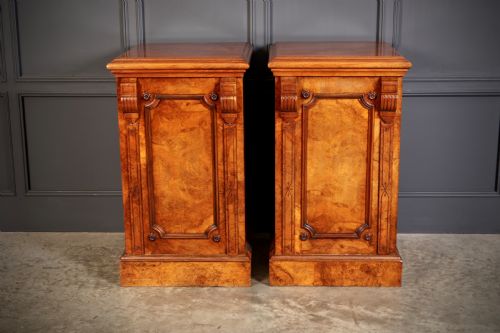
- A tall, freestanding enclosed cabinet resting on a plinth base, often housing interior shelving.
Victorian Carved Pot Cupboard: Frequently Asked Questions
What is inside a pot cupboard?
These cabinets typically contain a single open shelf space behind the main door, originally intended to store a ceramic chamber pot out of sight. Many designs also incorporate a small pull-out drawer positioned above the door for personal items.
The interior layout prioritises enclosed storage to keep bedroom essentials tidy and out of view. Some variations include a small partition or lining designed to contain the vessel securely.
How do I date a Victorian bedside cabinet?
Dating relies on observing timber choices, construction techniques, and stylistic revival markers recorded across the nineteenth century. Earlier pieces tend to feature solid mahogany or oak, while later Victorian examples frequently utilise burr walnut veneers and factory-stamped hardware.
Cabinet makers also incorporated distinct decorative idioms such as Gothic Revival pointed arches or late Victorian floral marquetry. Examining the secondary timbers inside the drawer box provides further clues to the manufacturing decade.
Where should I place a bedside cabinet?
These compact pieces fit naturally beside a bed as functional bedside tables supporting a lamp and night-time reading material. Their enclosed lower storage keeps clutter concealed while maintaining a small physical footprint in the room.
They also function effectively as small side tables in a hallway or drawing room. The versions fitted with marble tops offer a practical surface that resists moisture from drinking glasses or vases.
Are marble tops original to these cabinets?
Marble tops appear frequently on nineteenth-century bedside cabinets, providing a durable and hygienic surface for washing equipment and bedroom items. These stone slabs were commonly integrated into the design to protect the wooden structure beneath from water splashes.
While many remain entirely original to their cabinets, stone replacement occurred historically when original tops suffered damage. The edge profiling and precise fit within the wooden gallery help indicate authenticity.