




Victorian Carved Oak Wardrobe
A victorian carved oak wardrobe brings enduring presence and heavy timber grain into a bedroom.
Victorian Carved Oak Wardrobe
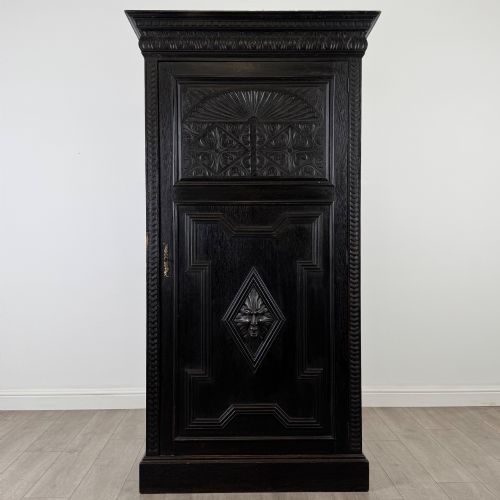
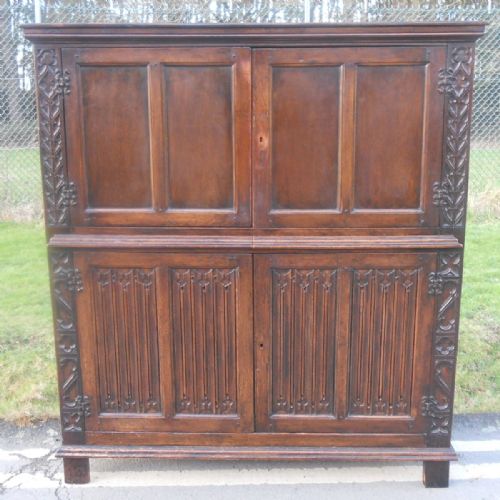
A victorian carved oak wardrobe is a substantial bedroom storage piece defined by heavy timber construction and deep relief carving. You will most commonly encounter large multi-door configurations and tall double wardrobes originating from the nineteenth century.
The selection ranges from robust single hall robes and linen presses to grand triple wardrobes displaying gothic revival or regional vernacular detailing. These pieces served as the primary clothes storage in period homes and continue to anchor modern bedroom schemes with their architectural scale.
How they were made
Cabinet makers built these wardrobes using solid oak timbers, frequently incorporating pollard oak or marquetry inlay to add contrast and texture to the primary panels. Brass hardware and bevelled glass mirrors appear alongside iron hinges to secure the heavy doors.
Joinery techniques relied on traditional panel construction and peg joints to handle the immense weight of the timber. Hand chiselling created the deep floral, geometric, and gothic motifs across the cornices and door fronts.
A house cleaner might find an unexpected stash of Victorian shirt studs wedged behind a removable oak drawer liner.
What varies in quality
The distinction between standard examples and top tier pieces rests on the depth and crispness of the hand carving, alongside the choice of figured timbers such as pollard oak. Outstanding examples demonstrate balanced proportions, intricate marquetry work, and integration of architectural elements like panelled cornices.
Internal configuration and the survival of original brass fittings also dictate the standing of a piece. Finer examples retain their original bevelled mirrors, sliding linen trays, and clean interior hanging spaces without modern alterations.
Gillows of Lancaster
The Victorian Carved Oak Wardrobe Glossary
- Pollard oak
- Timber taken from trees that were pollarded, resulting in highly decorative, mottled growth patterns. This figured wood appears on select door panels for visual depth.
- Marquetry inlay
- The art of applying small pieces of different coloured wood veneer to form decorative patterns. It provides geometric and floral contrast against the dark oak background.
- Linen press
- A tall storage cupboard featuring upper sliding trays or shelves for folded textiles above lower drawers. They bridge the functional gap between a chest of drawers and a wardrobe.
- Gothic revival
- An architectural and decorative style drawing inspiration from medieval design. It manifests in pointed arches, trefoils, and heavy structural mouldings.
- Bevelled glass
- Mirror or window glass with edges cut and polished at an angle. This treatment creates a framed prismatic effect popular on late period doors.
Victorian Carved Oak Wardrobe: Frequently Asked Questions
How do I fit a large wardrobe?
Many nineteenth century wardrobes dismantle into separate sections including the cornice, base, and sides to allow for easier transport and room positioning. Check whether your chosen piece uses knock down peg construction before attempting movement.
Ensure you measure both ceiling height and floor space carefully, as these pieces often command a dominant physical presence in modern bedrooms.
How do I care for oak furniture?
Maintain the timber by applying a traditional beeswax polish occasionally to nourish the dry grain and protect the surface from moisture. Avoid placing heavy oak furniture near direct heat sources or in fluctuating humidity.
Dust regularly with a soft dry cloth to prevent dirt accumulation within the deep carved crevices of the panels.
Are interiors customisable?
Most pieces retain their original internal layout of hanging rails, hooks, or sliding linen trays suited to period clothing storage. Adapting these spaces for modern hangers requires careful consideration of historical fabric.
Some buyers choose to insert freestanding rails rather than altering the fixed timber partitions inside.
How do I date a wardrobe?
Examine the construction methods, handle styles, and decorative motifs to determine the likely decade of manufacture. Early Victorian pieces often display simpler architectural lines, whilst late nineteenth century examples embrace heavier gothic or revival carving.
Hardware types and mirror bevelling also offer reliable clues to the exact production period.