



Victorian Carved Mahogany Box
These pieces of a victorian carved mahogany box offer practical storage shaped by nineteenth-century hands for domestic use.
Victorian Carved Mahogany Box
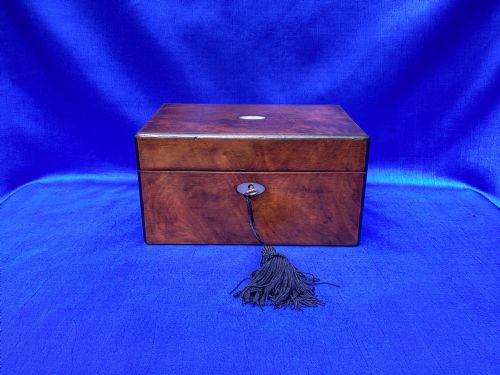
A victorian carved mahogany box encompasses various storage items created during the nineteenth century, including correspondence boxes, stationery boxes, and teapoys. The pieces range from straightforward domestic accessories to more elaborate work tables and cellarettes designed for social rooms.
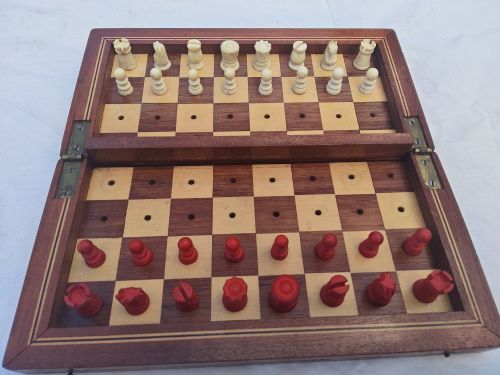
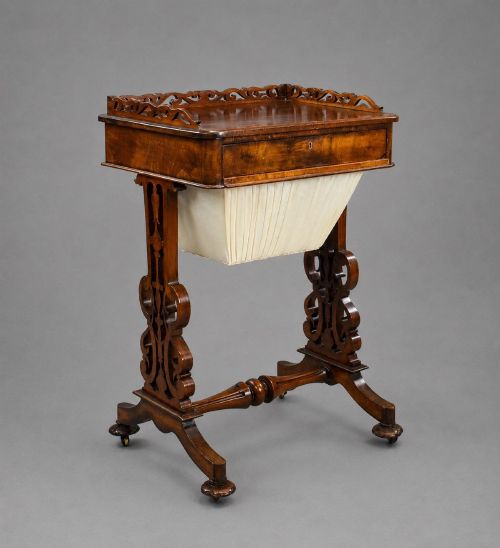
Most examples originate from the Victorian period, though adjacent eras such as the Edwardian period and Regency style appear frequently among the listings. Buyers encounter forms designed for specific pastimes and duties, such as sewing boxes, puzzle book boxes, and watch repairer's chests.
Makers working within these styles utilised dense tropical timber to create items that stood up to daily use in parlours and halls. The surviving objects bridge utilitarian function and decorative carving, reflecting the interior tastes of the nineteenth century.
How they were made
Makers constructed these items primarily using solid mahogany, often complemented by secondary timbers like boxwood and ebony for contrasting detail. Joinery methods relied on precise corner joints and fitted interiors designed to house specific objects securely.
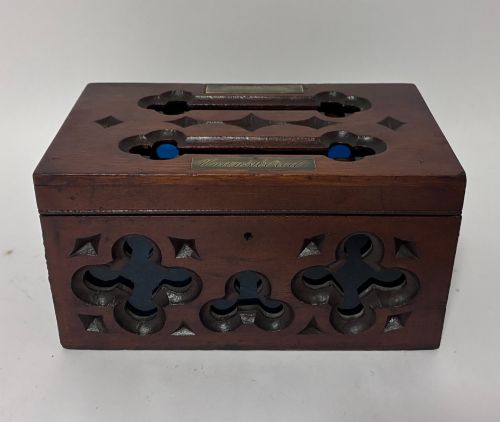
Carving was executed by hand directly into the dense mahogany surface, producing relief patterns, Gothic motifs, or simple moulded edges. Brass handles, hinges, and glass components were integrated to complete the functional aspects of each piece.
The listings show mahogany combined with brass, bone, and glass across various periods from the Regency era to Edwardian times.
What varies in quality
Quality rests in the crispness of the hand carving and the selection of the mahogany timber itself, where deep grain patterns distinguish better examples from plain stock. The integration of functional hardware, such as original brass fittings and working locks, separates standard workshop production from finer output.
Construction details like dovetailed joints and stable internal compartments indicate higher standards of craftsmanship. Pieces bearing specific workshop stamps demonstrate documented provenance that elevates their standing among collectors.
Freemans of Norwich·Gillows·F. H. Ayres·British Chess Company
The Victorian Carved Mahogany Box Glossary
- Mahogany
- A durable tropical hardwood known for its reddish-brown colour and stable grain, heavily utilised across nineteenth-century cabinet making. It takes a fine carved edge and ages to a rich patina.
- Cellarette
- A fitted cabinet or box designed to hold bottles of wine and spirits, often lined and positioned near the dining table. Nineteenth-century versions frequently feature heavy mahogany construction and locking lids.
- Teapoy
- A small decorative box or chest mounted on a central pillar or legs, originally intended to store dry tea leaves. These pieces often contain interior caddies and mixing bowls.
- Treen
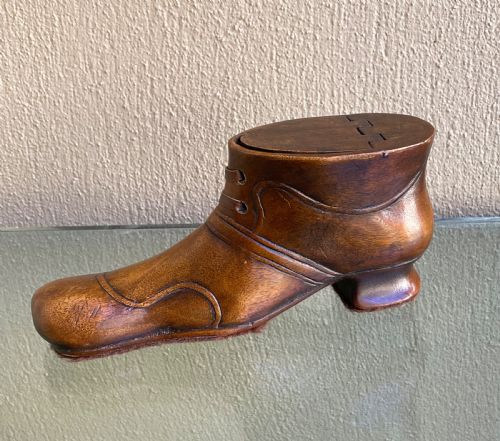
- Small handmade wooden objects created for everyday household use, ranging from small boxes to shoe-shaped snuff containers. The term covers utilitarian turned and carved items from the period.
- Purdonium
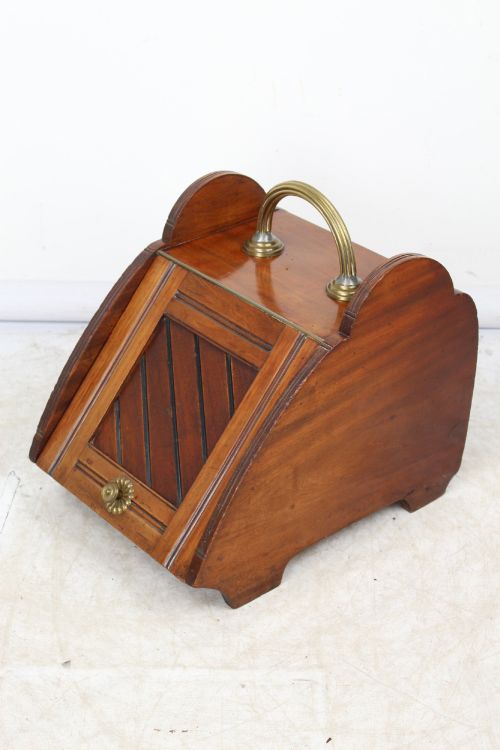
- A specialised domestic coal box designed to sit neatly by the fireplace, usually featuring a sloping lid and an interior metal liner. They allowed homeowners to store fuel in the parlour without creating mess.
Victorian Carved Mahogany Box: Frequently Asked Questions
What is a teapoy used for?
A teapoy served as a secure storage chest for valuable loose tea leaves in the nineteenth-century parlour. They frequently included internal compartments and small bowls.
Servants would bring the chest out to prepare the brew in front of guests, keeping the precious leaves locked away between uses.
How do I spot a correspondence box?
Correspondence boxes feature fitted internal dividers designed specifically to hold writing paper, envelopes, and sealing wax. Many include sloped writing surfaces or compartments for inkwells.
They were kept on desks or tables to maintain order for personal letter writing before the widespread use of manufactured stationery.
What distinguishes a cellarette from a standard box?
A cellarette is built specifically to store and cool wine bottles safely within dining rooms or cellars. They often include fitted internal partitions and heavy lockable lids.
Standard boxes lack these bottle-sized divisions and are instead arranged for documents, sewing implements, or small valuables.
How can I tell the Victorian period?
Victorian pieces display specific stylistic traits such as Gothic Revival motifs, heavy mahogany frames, and dense hand-carved ornamentation. Cabinet makers of this era often utilised dark finishes and robust joinery.
Comparing the hardware styles and secondary woods helps confirm the nineteenth-century manufacturing date.