


Small Victorian Wall Cabinet
A small Victorian wall cabinet brings useful enclosed storage to compact rooms, combining period timber with clever proportions.
Small Victorian Wall Cabinet
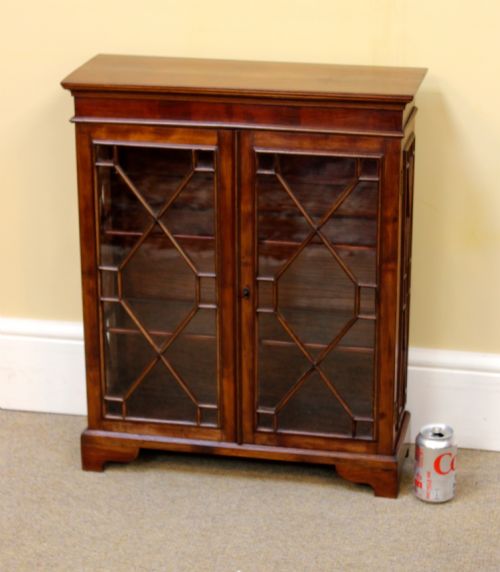
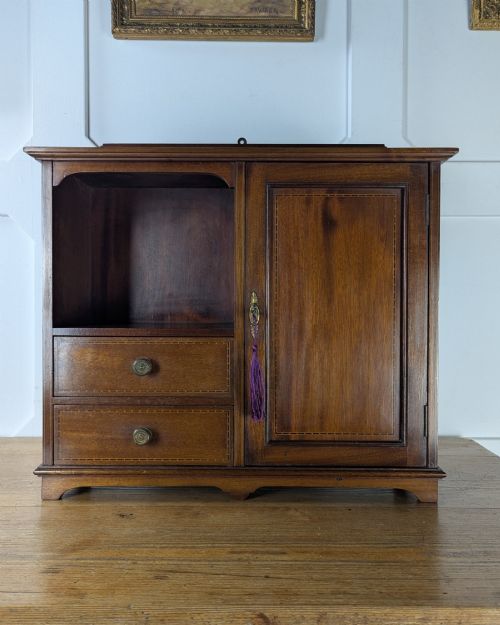
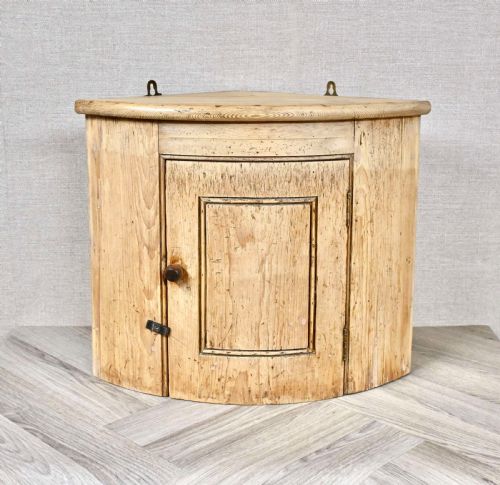
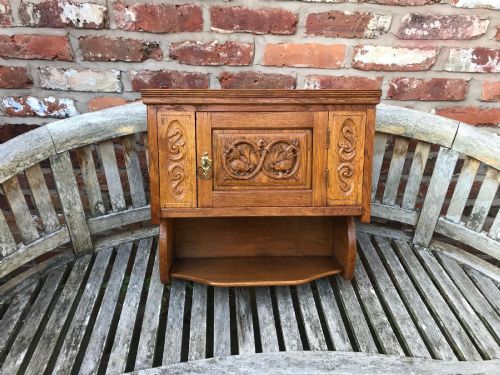
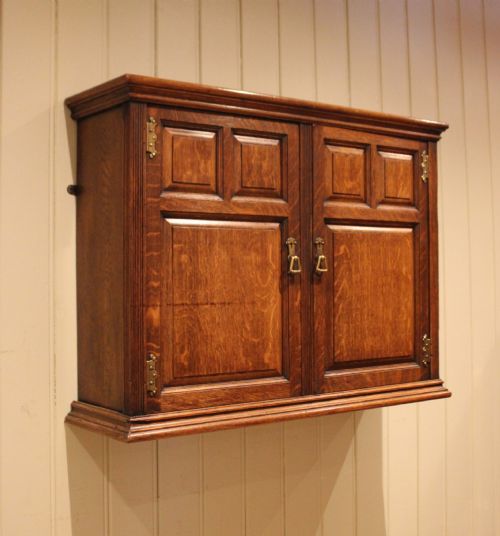
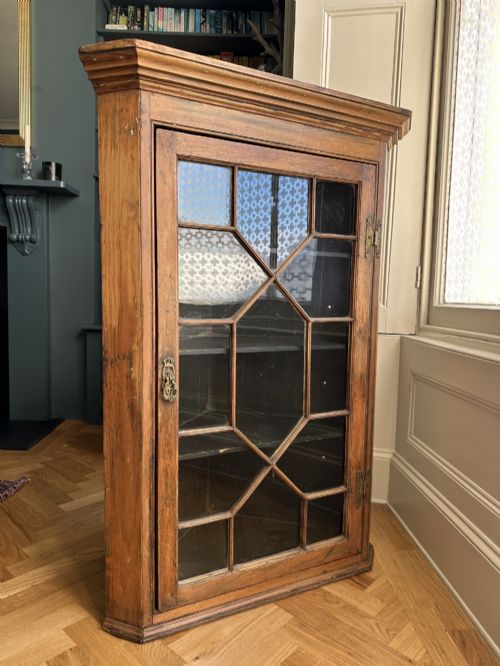
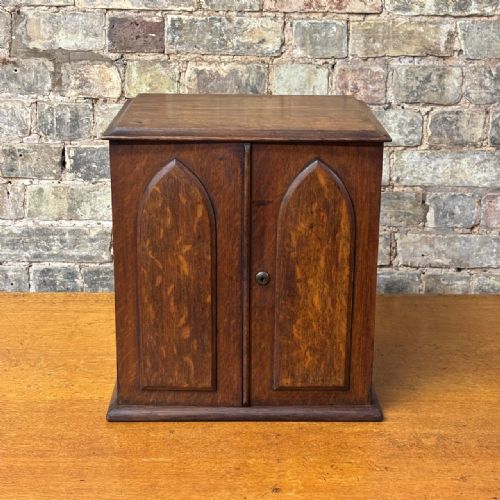
When you search for a small Victorian wall cabinet, you encounter compact hanging storage solutions designed to save floor space in nineteenth-century interiors. These pieces typically present as single-door cupboards, corner cabinets, or glazed display units intended to mount directly to a wall.
Materials and construction
Cabinet makers utilised a range of timbers including oak, mahogany, walnut, and pine, often selecting denser woods for primary surfaces and secondary woods for internals. Grain patterns such as burr walnut and satinwood appear on finer examples to create visual depth.
Joinery techniques relied on traditional methods suited to hanging weight, frequently incorporating brass hinges, lockable doors, and glazed panels. Surface treatments varied from original painted interiors and wax finishes to ebonised details.
Quality differences
The distinction between tiers of quality rests upon the selection of timber and the ambition of the design. Standard utility cupboards utilise plain pine or oak, whereas superior examples display figured veneers, intricate carvings, or inlaid satinwood.
Hardware and interior fittings further differentiate the grade of a piece. Original brasses, working locks with keys, hand-carved panels, and glazed doors indicate a higher standard of manufacture from regional workshops or larger cabinet makers.
The Small Victorian Wall Cabinet Glossary
- Corner cupboard
- A triangular cabinet specifically constructed to fit snugly into the angle of a room. This form maximises awkward spaces in smaller chambers.
- Glazed door
- A door fitted with glass panels to display the contents within. These are commonly found on miniature display cabinets and wall-hanging units.
- Burr walnut
- A highly prized timber veneer taken from the growth excrescences of a walnut tree. It yields complex, swirling grain patterns favored for decorative furniture.
- Ebonised wood
- Timber treated with a chemical stain or black finish to imitate ebony. This technique was popular during the Victorian period for accentuating architectural details.
- Spice box
- A small wall-hanging compartment traditionally used for storing culinary spices. They often feature internal drawers and compact doors.
Small Victorian Wall Cabinet: Frequently Asked Questions
Where should I hang a small wall cabinet?
These pieces suit rooms where floor space is limited, such as hallways, kitchens, or studies. They require secure wall fixings to support the weight of timber and contents.
Ensure the mounting height allows comfortable access to doors and any internal shelving or drawers.
How do I identify a Victorian wall cabinet?
Look for characteristic nineteenth-century timber choices like mahogany, walnut, and oak, alongside period construction methods such as hand-cut dovetails. Stylistic influences often include Gothic Revival, Aesthetic Movement, or simple rustic farmhouse designs.
Hardware such as brass hinges and escutcheons also offer clues to the manufacturing era.
Were these cabinets meant for kitchens?
Many wall cupboards and spice boxes served functional roles in kitchens or pantries for dry goods and provisions. Other variations functioned as smokers' cupboards or key cabinets for reception halls.
Their specific purpose usually dictated their internal layout, such as small drawers or specialised shelving.