

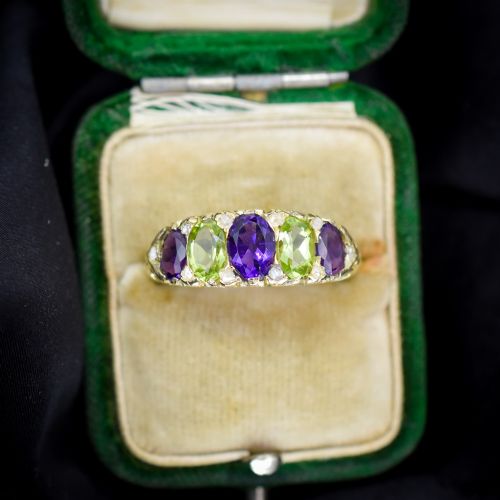
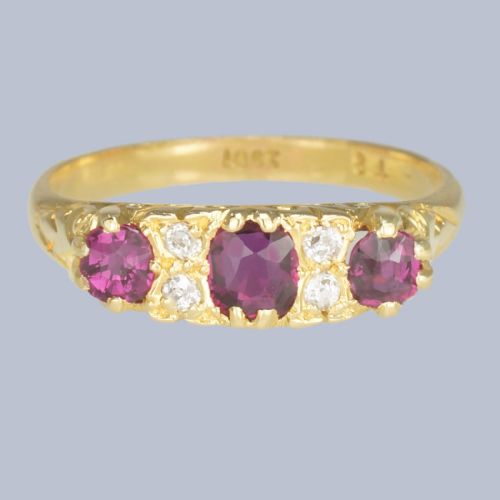
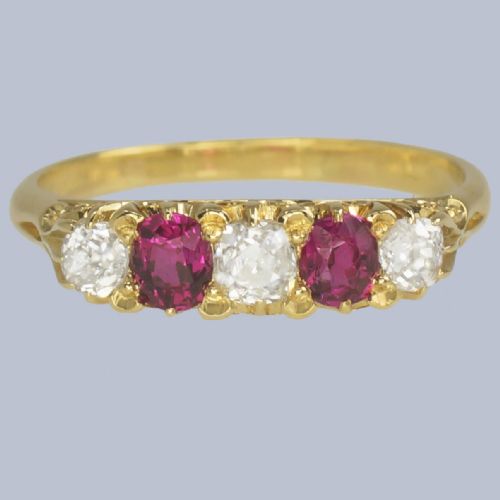
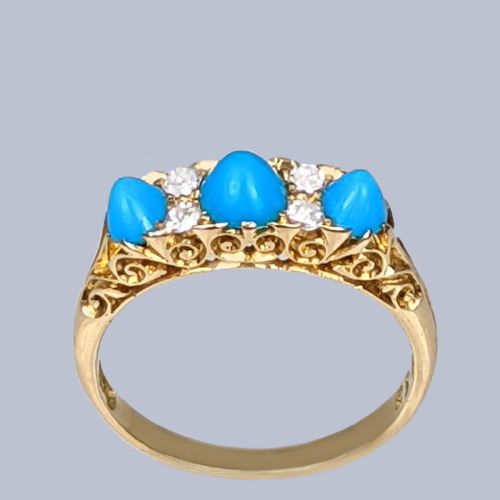
Victorian Carved Jewellery
Victorian carved jewellery brings together intricate hand-fashioned pieces from the nineteenth century, ranging from shell cameos to detailed gold rings.
Victorian Carved Jewellery
Victorian carved jewellery encompasses rings, brooches, pendants, and bracelets created during the nineteenth century and the early twentieth century. Buyers seeking this phrase encounter items fashioned from materials such as shell, hardstone, lava stone, and various grades of gold.
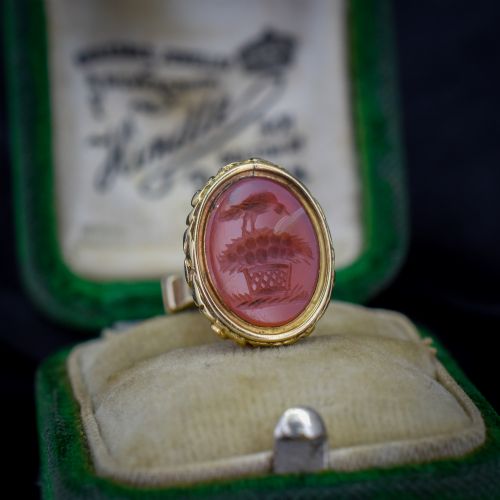
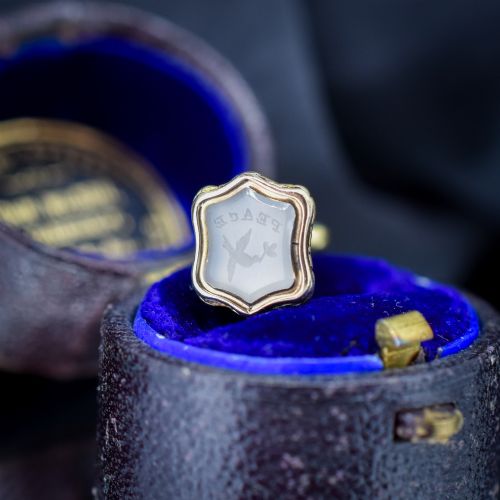
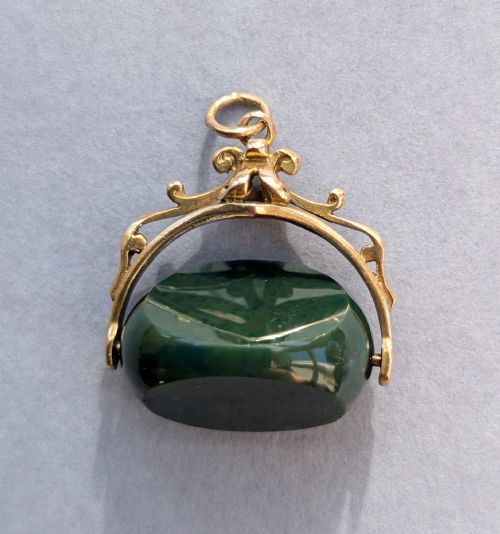
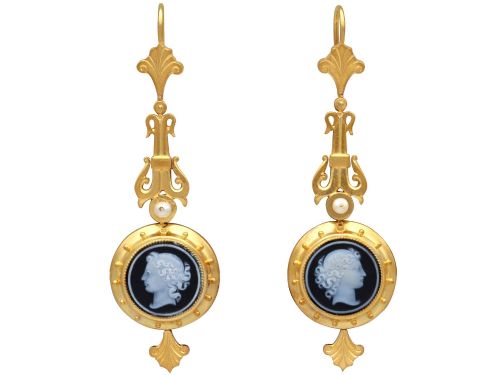
The selection frequently includes cameo brooches depicting classical profiles alongside rings set with bloodstone, carnelian, and intaglio carvings. Pieces span styles from Gothic Revival and Etruscan Revival to late Victorian designs.
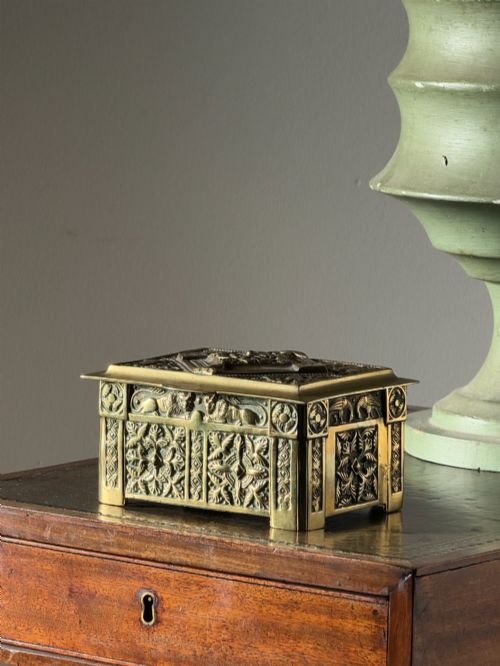
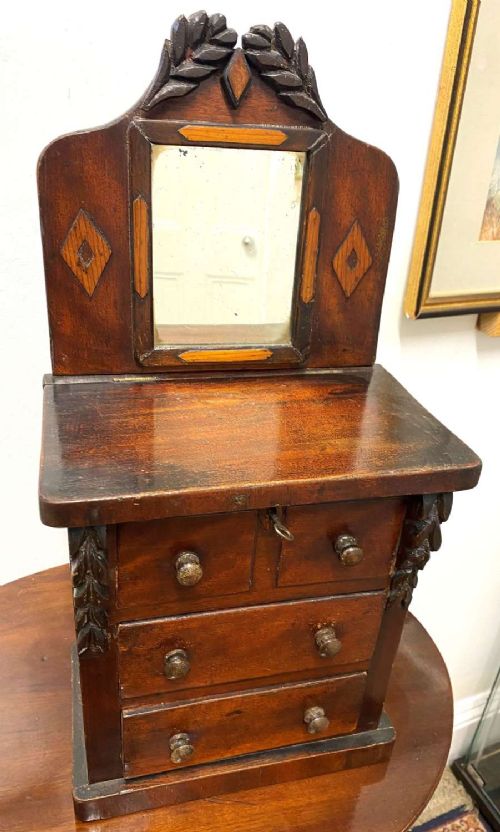
Origin points visible in the pieces include English provincial assay offices as well as continental European workshops. Forms range from personal adornments like lockets and drop earrings to small storage items such as jewellery boxes and caskets.
Materials and Methods
Makers utilised natural materials including shell, agate, lava stone, and hardstone for carving relief portraits and classical motifs. These carved elements were mounted in yellow, rose, or white gold settings, predominantly spanning nine to twenty-two carats.
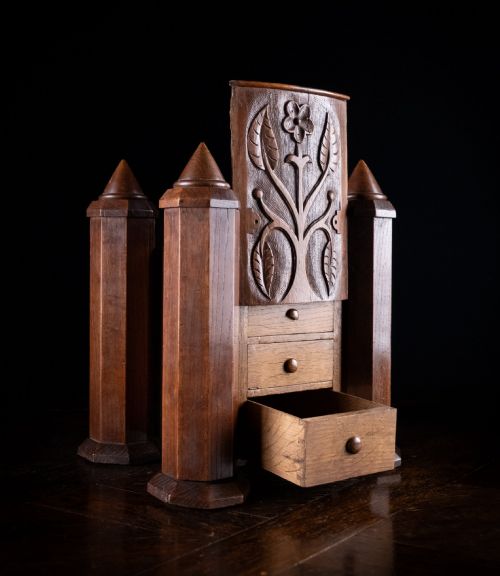
Goldsmiths employed techniques like gypsy setting, bezel mounting, and detailed wirework characteristic of Etruscan Revival aesthetics. Brass, bronze, and gilt-metal also appear in larger decorative boxes and caskets alongside carved oak and Black Forest wood.
Victorian Carved Jewellery Retail Price Guide 2026
Typical asking prices for victorian carved jewellery among the pieces listed under this phrase on Sellingantiques today, from the lower quarter to the upper quarter. They describe what is for sale here now, not the wider market.
Listings feature items spanning the Victorian era, William IV period, Edwardian period, and mid-twentieth century craftsmanship.
Assessing the Standard
Depth and precision of the carving dictate the visual impact of cameos and intaglios, where sharper detail separates standard items from finer work. The choice of mounting material, from lower carat gold to heavier twenty-carat frames, influences the substance of each piece.
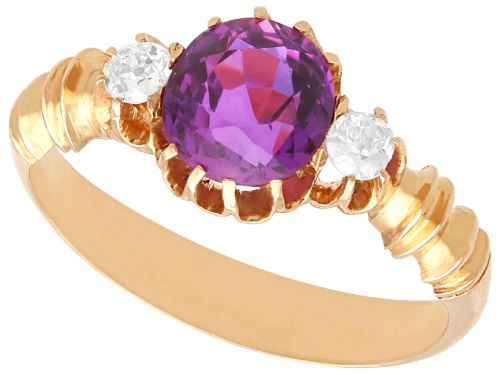
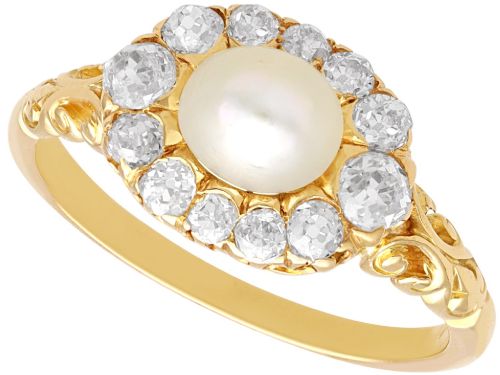
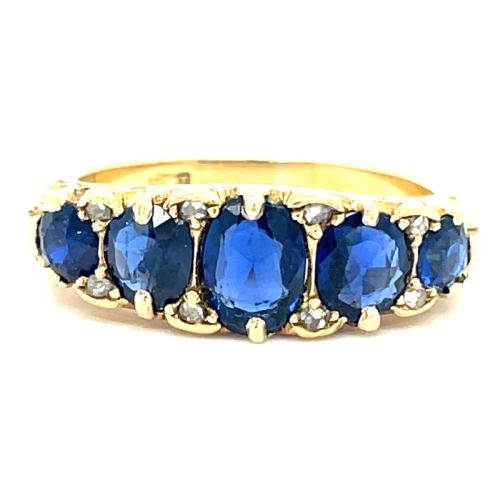
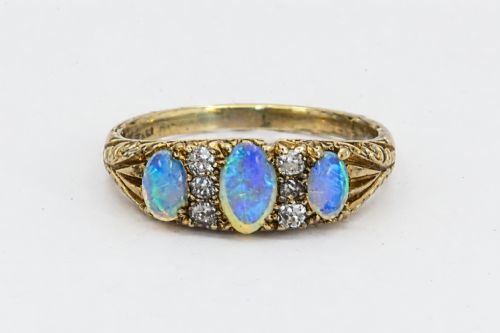
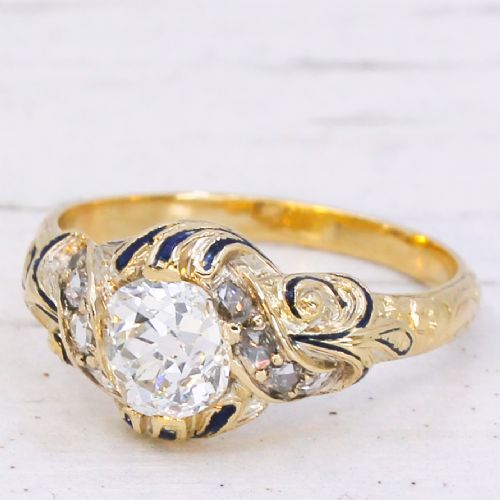
Stone selection alters the character of the jewellery, with natural opals, Ceylon sapphires, and old cut diamonds indicating higher tier production. The integration between the carved element and the metal housing reveals the skill of the original workshop.
The Victorian Carved Jewellery Glossary
- Cameo
- A method of carving where a relief image is raised above a contrasting background. This technique is frequently seen on shell, agate, and lava stone brooches.
- Intaglio
- A design incised into the surface of a gemstone or hardstone so that an impression can be made in relief. Carnelian and bloodstone frequently appear in this format.
- Boat ring
- A curved ring setting resembling the hull of a ship, popular during the nineteenth century. These settings typically arrange stones in a gently sloping horizontal line.
- Gypsy ring
- A style where stones are flush-set directly into the thick band of the ring. This creates a smooth exterior surface characteristic of late nineteenth century design.
- Etruscan Revival
- A design movement inspired by ancient archaeological discoveries involving granulation and wirework. Gold jewellery from this period often displays elaborate applied wire decoration.
Victorian Carved Jewellery: Frequently Asked Questions
How do I identify a cameo?
A cameo is distinguished by a raised profile carved from layered materials such as shell, hardstone, or lava stone. The upper layer presents the subject while the contrasting lower layer forms the background.
Magnification reveals the fine chisel or burin marks left by the carver, separating hand-fashioned pieces from later moulded imitations.
What materials are used in these pieces?
Common materials include nine to twenty-two carat gold, silver, brass, and bronze used alongside natural gemstones like diamonds, sapphires, rubies, and opals. Carved components rely on organic substances such as shell, coral, and various hardstones.
Box and casket forms incorporate carved oak, Black Forest wood, and gilt-metal elements to house personal treasures.
How do I care for antique carved jewellery?
Antique carved jewellery requires gentle handling due to the delicate nature of carved shell, lava stone, and soft gemstones like opals. Cleaning should be done with a dry or very slightly damp soft cloth without harsh chemical immersion.
Storage in separate lined compartments prevents friction and protects protruding settings and delicate metalwork from accidental impact.