


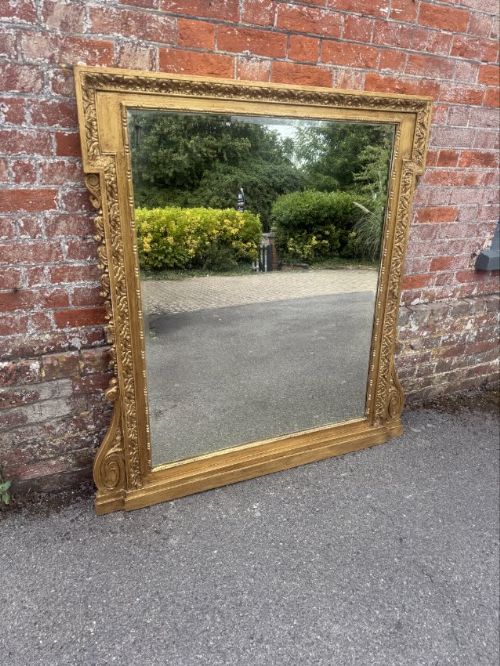
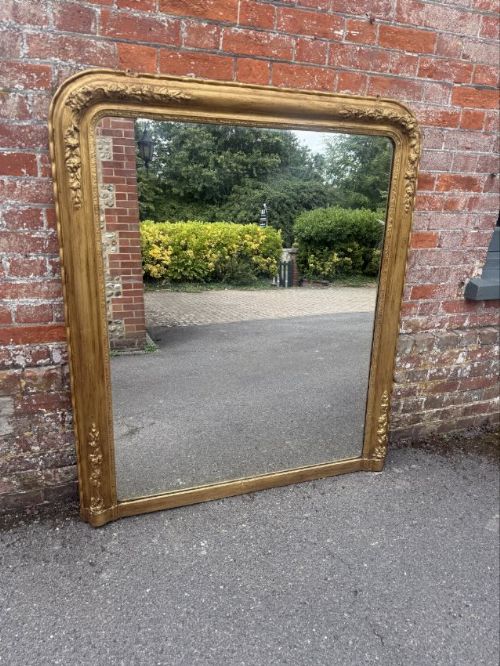
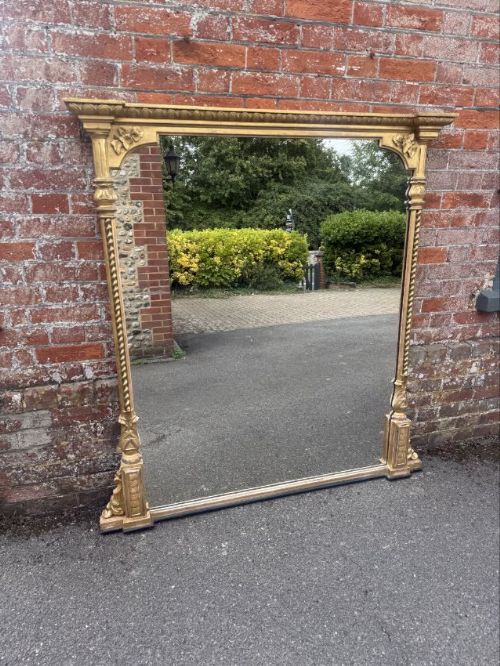
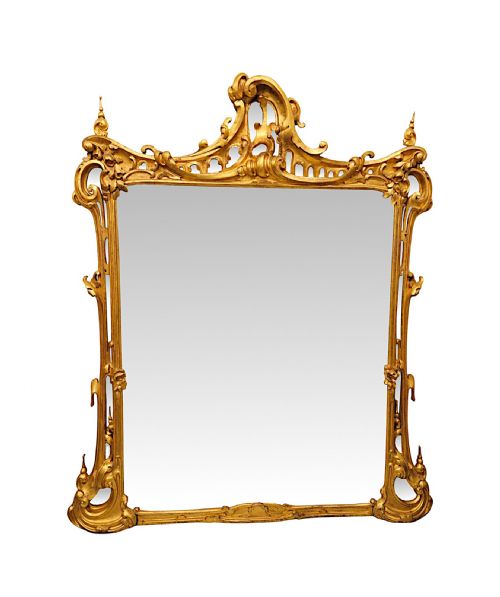
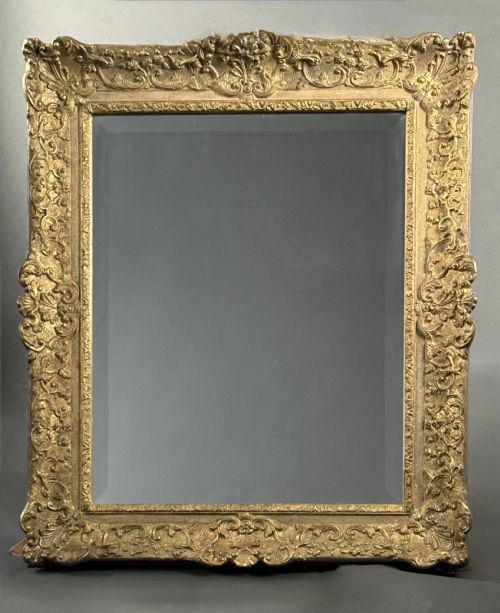
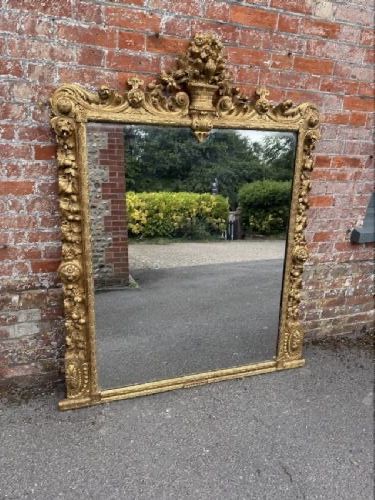
Victorian Carved Giltwood Mirror
A victorian carved giltwood mirror brings nineteenth-century presence to a room, reflecting light through heavily ornamented frames shaped by master gilders.
Victorian Carved Giltwood Mirror
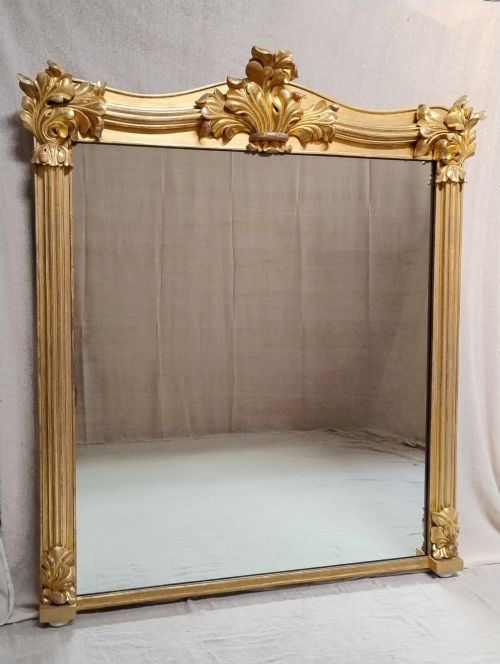
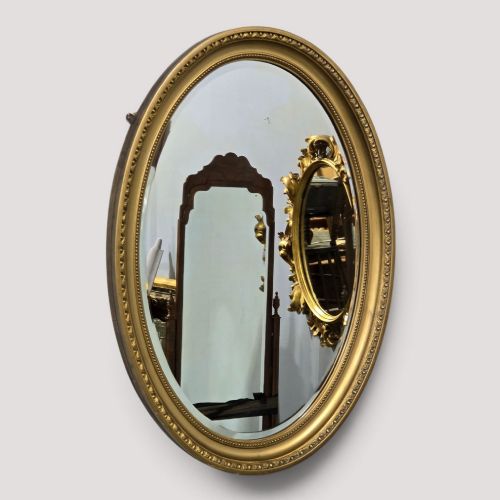
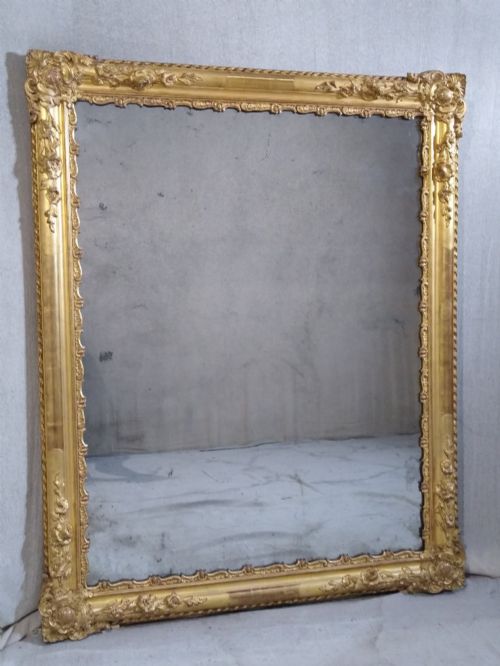
When searching for a victorian carved giltwood mirror, buyers encounter substantial wall mirrors and large overmantel formats designed to sit above fireplace mantels. These pieces originate predominantly from nineteenth-century English and French workshops, utilising grand architectural scales and decorative flourishes.
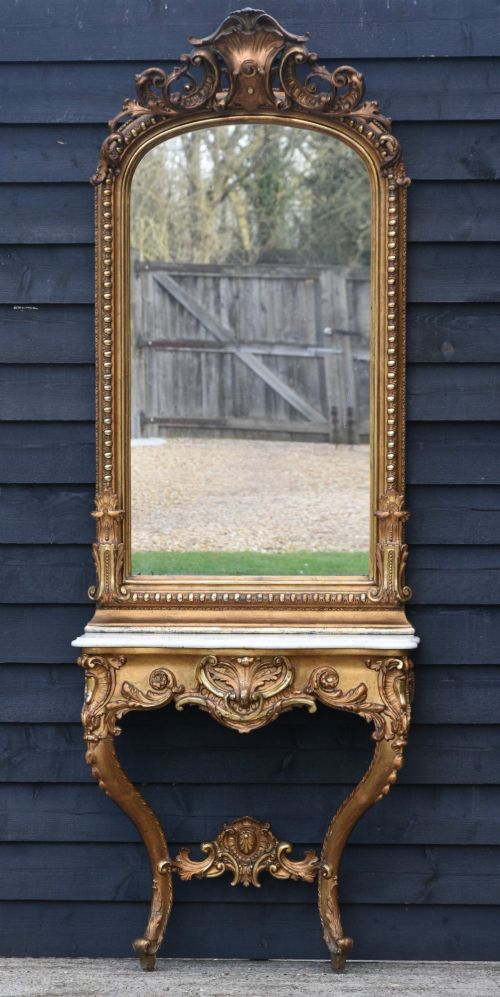
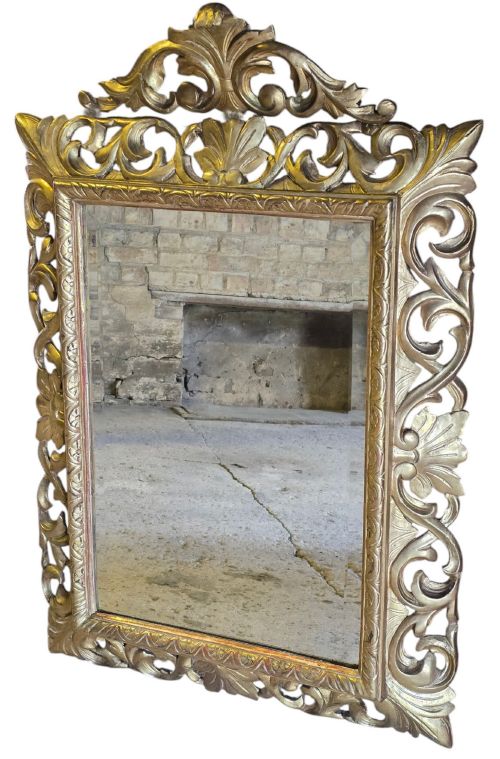
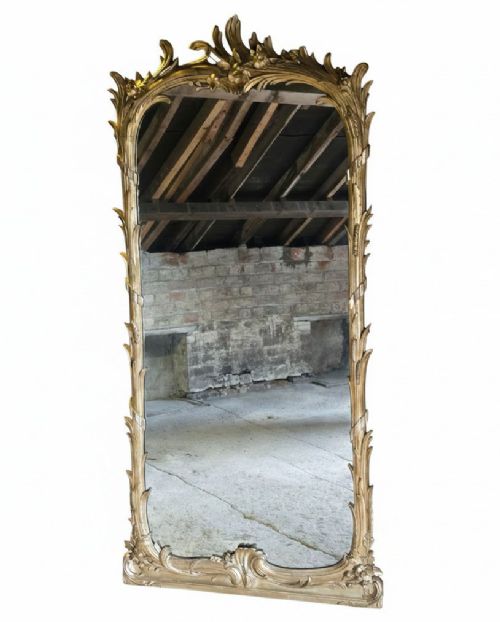
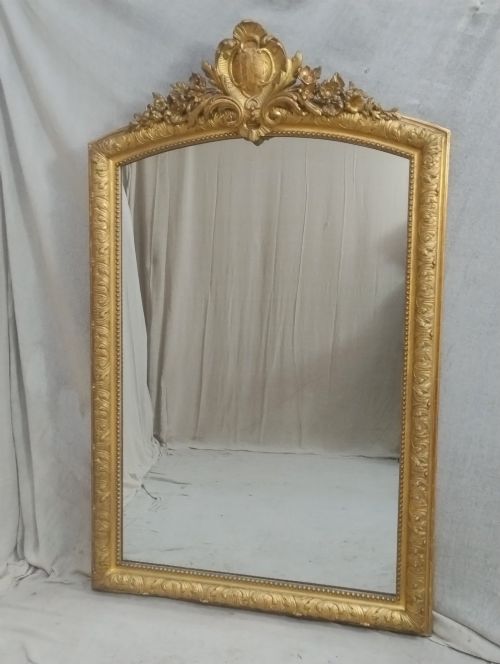
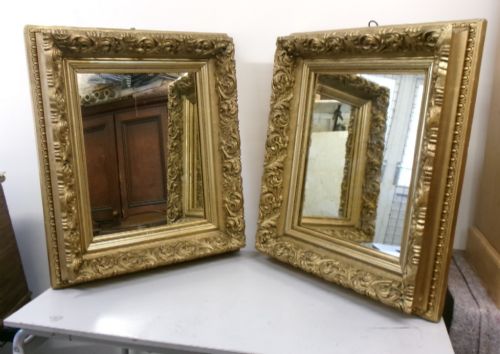
The inventory ranges from tall leaner mirrors and arched top designs to smaller oval portrait frames and girandoles fitted with candle sconces. Stylistic influences draw heavily on Rococo Revival, French Chateau, and Florentine aesthetics, showcasing elaborate botanical motifs like acanthus leaves and rose vines.
Many examples function as primary statement pieces, constructed to anchor a drawing room or hallway with commanding proportions. The surviving pieces display both English architectural restraint and the more exuberant curves of French Second Empire taste.
Materials and construction methods
Makers built the foundational framework using timber, applying layers of gesso to create a smooth surface for intricate carving and moulding. Composition ornament, a pliable mixture of whiting, resin, and glue, was frequently pressed into moulds to form repetitive botanical details before gilding.
Finishers applied thin sheets of gold leaf directly onto the prepared gesso and bole ground, burnishing portions to achieve a brilliant metallic sheen while leaving recessed areas matte for contrast. Heavy frames required sturdy joinery, often incorporating pine or hardwood cores to support the substantial weight of the glass plate.
Freemasons evidently checked their regalia in style, judging by the specialised Masonic mirrors recorded in the nineteenth-century inventory.
Distinctions in craftsmanship
The upper tier of pieces exhibits deeply undercut manual carving directly into the wood rather than relying entirely on moulded composition ornament. Crisp botanical details, balanced proportions, and retained original gilding separate superior workshop output from more utilitarian production.
Plate glass quality also dictates the tier, where heavy bevelled edges and untouched original mirror plates with natural foxing demonstrate high-end period manufacture. The structural integrity of the heavy timber frame and the finesse of the joinery complete the distinction between standard and exceptional examples.
The Victorian Carved Giltwood Mirror Glossary
- Giltwood
- Timber coated with gold leaf over a prepared base of gesso and size. This method creates a warm, enduring metallic finish characteristic of high-status nineteenth-century frames.
- Gesso
- A mixture of plaster of Paris or chalk bound with glue, applied to wood frames. It provides a smooth, receptive surface for subsequent carving and gilding.
- Overmantel Mirror
- A wide wall mirror specifically proportioned to hang above a fireplace mantel. These pieces often feature arched tops to mirror architectural fireplace openings.
- Girandole
- A decorative wall mirror featuring attached candle sconces. The candle arms multiply the reflected light within the room.
- Foxing
- The natural oxidation and speckling of the mirror plate over time. This chemical ageing creates dark spots within the glass, confirming genuine period manufacture.
Victorian Carved Giltwood Mirror: Frequently Asked Questions
Are original mirror plates common?
Many surviving pieces retain their original glass plates, often identifiable by slight distortions, hand-bevelling, and natural foxing. These aged imperfections contribute significantly to the authentic visual character of the object.
Replacement glass occasionally appears in pieces that suffered accidental breakage during their history. Examining the silver backing under magnification helps determine whether the reflective surface matches the nineteenth-century age of the frame.
What is the difference between gesso and carved wood?
Carved wood involves direct chisel work into the timber substrate to create intricate three-dimensional motifs. Gesso and composition ornaments are moulded separately and applied to the frame surface for faster production.
Finely executed pieces frequently combine both techniques, utilising hand-carved structural elements alongside delicate moulded details. Closely inspecting the undercuts reveals whether floral elements are shaped from solid wood or built up in plaster.
How should I clean a giltwood frame?
Dusting requires only a very soft, dry artist brush to gently clear debris from intricate crevices without disturbing the delicate gold leaf. Moisture and chemical cleaning solutions must be strictly avoided on gilt surfaces.
Water or commercial sprays easily dissolve the underlying gesso and water-gilding layers, causing irreversible loss of the metallic finish. Maintaining a stable indoor environment prevents wood expansion that can crack the historic composition ornaments.