

Victorian Carved Figures
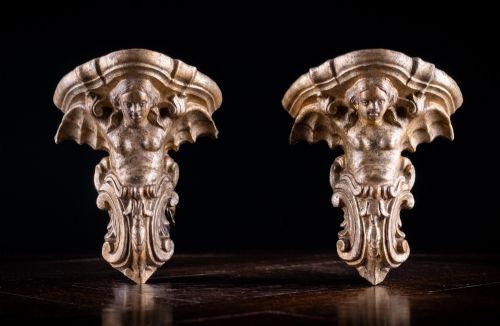
These pieces of Victorian carved figures bring the expressive skill of nineteenth-century artisans directly into domestic spaces through detailed sculpture and woodwork.
Victorian Carved Figures
When searching for victorian carved figures, collectors encounter a diverse group of sculptural objects originating primarily from the nineteenth century and the Victorian period. These include decorative statues, portrait busts, animal groups, and specialised items such as artist lay figures and tobacco figures.
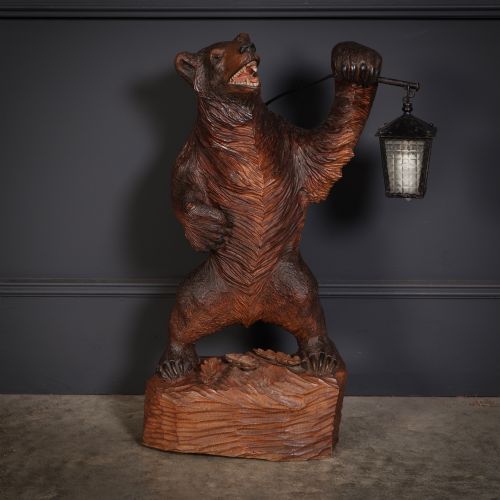
The materials span carved wood, alabaster, marble, and walnut, reflecting both natural organic mediums and quarried stone. Works range from Neoclassical portrayals of muses to rustic Black Forest representations of wildlife and regional folk art subjects.
Pieces frequently intersect with functional and decorative forms, appearing as lamp bases, inkwells, or architectural companions alongside standalone sculptures. The domestic interior of the era embraced these figural representations in various scales and regional styles.
How They Were Made
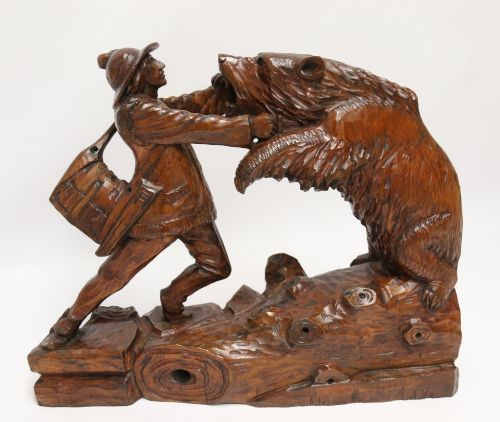
Wood carving relies on dense timbers such as walnut, mahogany, and linden wood, shaped with chisels and gouges to achieve textures ranging from animal fur to drapery. Artisans in regions like the Black Forest utilised native woods to create intricate wildlife and figure groups.
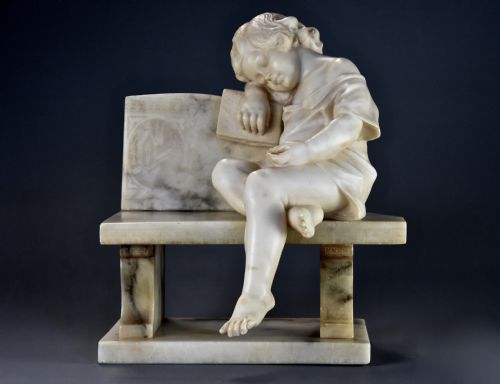
Stone sculptures employ alabaster and veined marble, shaped through chiselling, rasping, and polishing to produce smooth surfaces and translucent effects in busts and children's figures. Signatures and attribution marks occasionally appear directly on the stone bases or plinths.
Victorian Carved Figures Retail Price Guide 2026
Typical asking prices for victorian carved figures among the pieces listed under this phrase on Sellingantiques today, from the lower quarter to the upper quarter. They describe what is for sale here now, not the wider market.
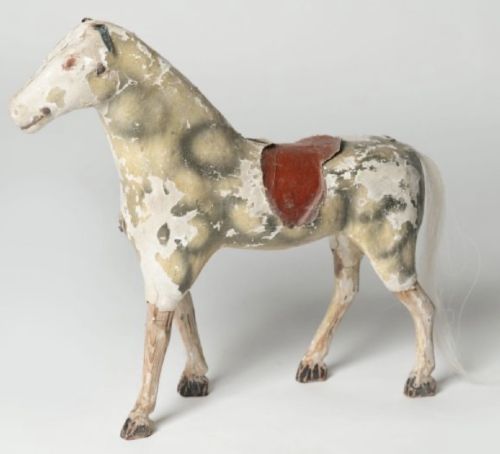
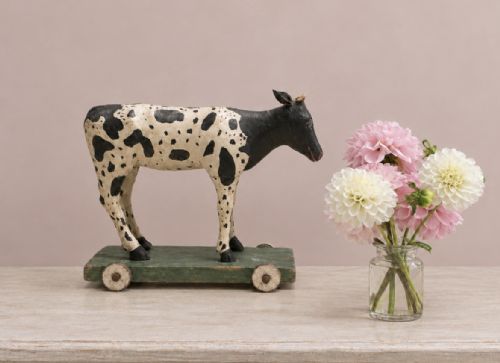
A wooden cow on wheels stands ready to pull alongside a troop of fifty Noah's Ark animals.
What Varies in Quality
Anatomical precision and the crispness of the carving separate standard workshop output from exceptional examples. Master carvers achieved realistic depth in facial expressions, musculature, and textures like feathers or hair.
The selection of the raw material dictates the visual impact, with flawless alabaster, finely figured walnut, and unblemished Carrara marble elevating the status of the sculpture. Integration of movement, articulation in lay figures, and distinct regional characteristics further distinguish superior pieces.
P E Fiaschi·Barranti·Holland & Sons·J Huggler
The Victorian Carved Figures Glossary
- Alabaster
- A fine-grained, translucent stone used extensively for nineteenth-century portrait busts and figures. It permits a soft finish that mimics human skin.
- Black Forest
- A designation for carved wooden animals and utility objects produced in the Swiss and German mountain regions. These works typically feature naturalistic bears, deer, and owls.
- Artist Lay Figure
- An articulated wooden mannequin utilised by painters and sculptors to study drapery and human anatomy. Fully jointed limbs allowed positioning in various realistic postures.
- Neoclassical
- A style drawing inspiration from classical Greek and Roman art, frequently represented through idealized portrait busts and mythological figures. Proportions follow classical canons of harmony and restraint.
- Bust
- A sculptural representation of a person from the chest up, mounted on a plinth. These pieces record likenesses of historical figures, family members, or allegorical subjects.
Victorian Carved Figures: Frequently Asked Questions
What materials were used for Victorian figures?
Carvers and sculptors worked primarily in timber, such as walnut and linden wood, alongside quarried stones like alabaster and Carrara marble. These mediums allowed artisans to execute both miniature desk accessories and large portrait busts.
Softer woods suited regional folk carvings and articulated mannequins, whereas stone provided a durable surface for classical subjects and children's figures.
Where were Black Forest carvings made?
These decorative works originated in the mountain regions of Switzerland and Germany during the nineteenth century. Local workshops specialised in realistic depictions of woodland animals, including bears, deer, and owls.
Carvers utilised local timber, predominantly walnut and linden, rendering textured fur and expressive poses that became popular across British Victorian households.
How do you date nineteenth-century alabaster busts?
Dating relies on stylistic clues, costume details, and occasional signatures or registry marks incised into the stone base. Neoclassical hairstyles and classical drapery often point toward the mid-nineteenth century.
Comparing the treatment of the subject's expression and the translucency of the alabaster helps distinguish between earlier hand-finished pieces and later production.
What is an artist lay figure?
An artist lay figure is a fully articulated wooden mannequin designed with movable joints to assist painters and sculptors. Studios utilised these models to arrange complex drapery and check perspective.
Hand-turned wooden pegs and internal wire or pin joints allowed the limbs to hold static poses for extended periods during drawing sessions.