

Victorian Caddy
A victorian caddy is a small lidded vessel designed for storing loose leaf tea, offering a glimpse into nineteenth century domestic life.
Victorian Caddy
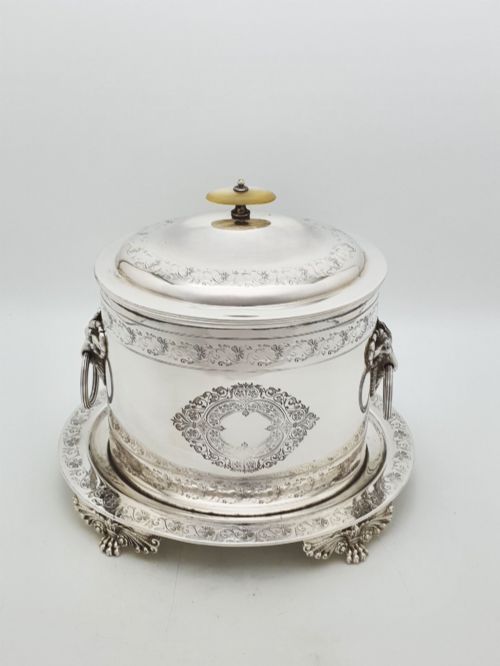
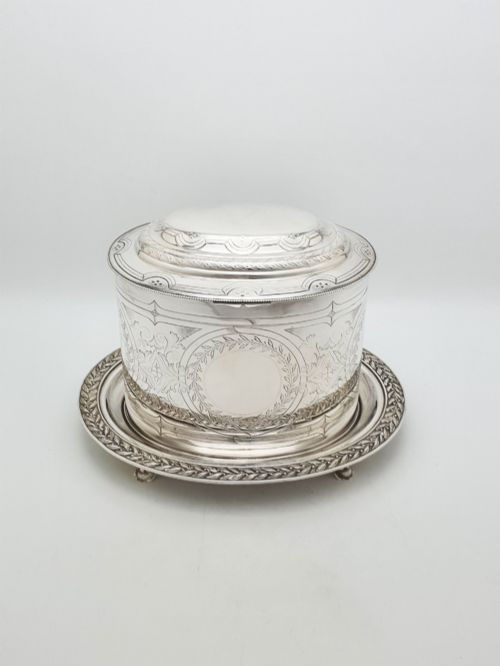
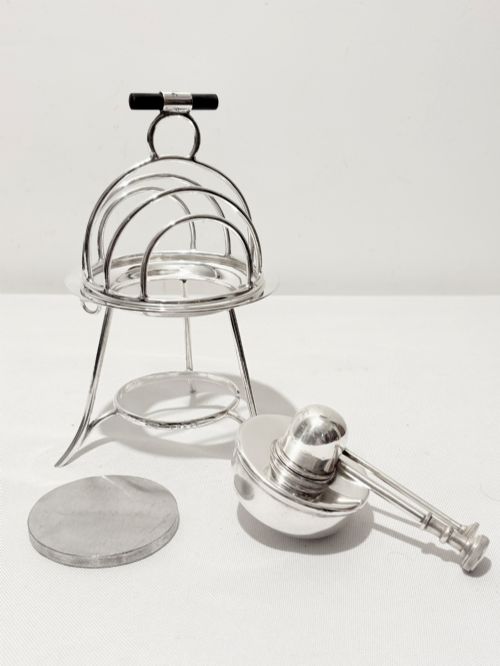
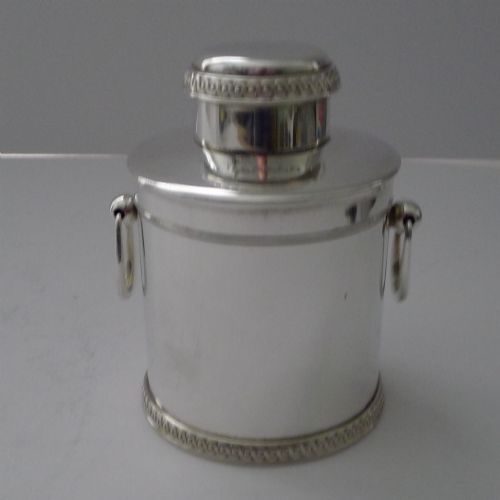
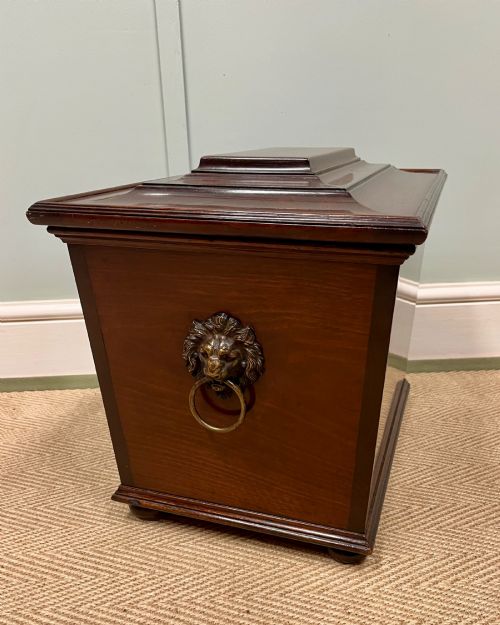
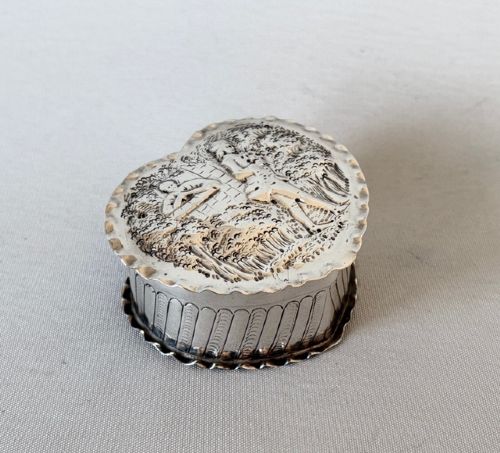
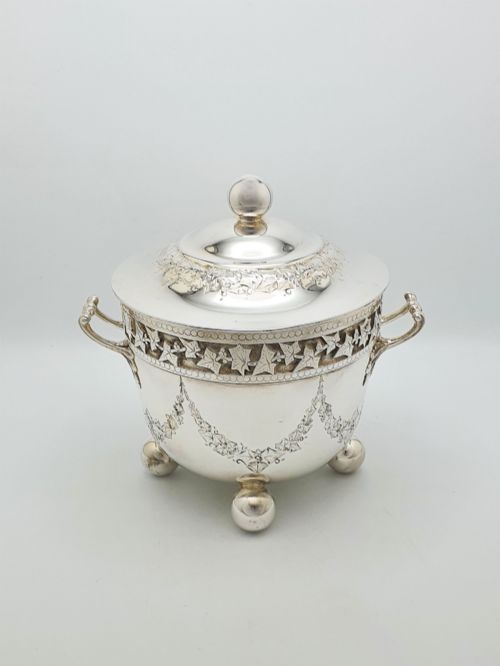
A victorian caddy takes various forms on this page, including rectangular wooden boxes, rounded bombe shapes, and sterling silver canisters. These pieces originate from the nineteenth century, spanning early, mid, and late periods of the era.
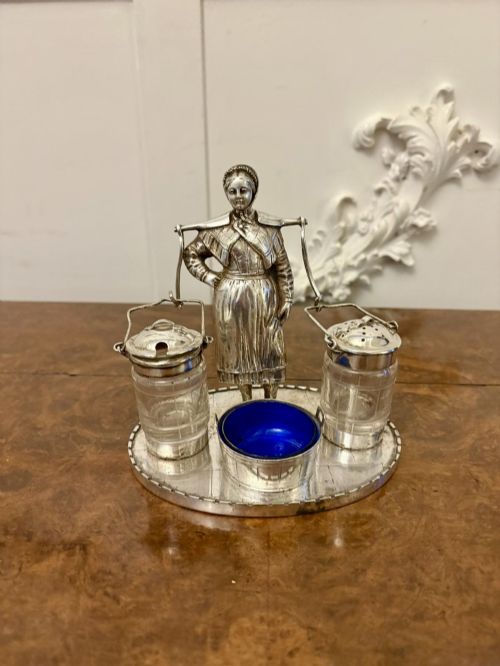
Buyers seeking this phrase encounter both traditional domestic tea storage boxes and related items like Dutch and continental silver caddies. The selection demonstrates the diverse materials and stylistic revivals popular during the nineteenth century.
How they were made
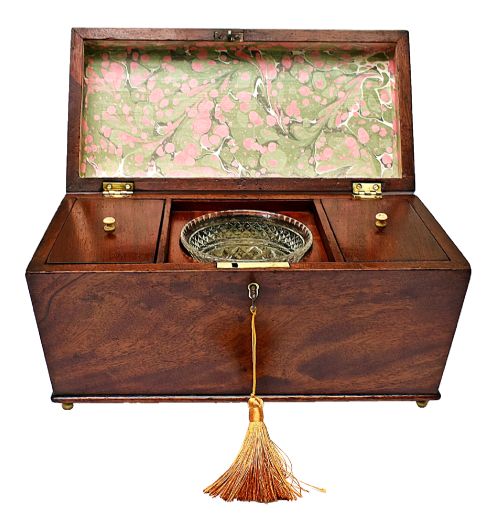
Wood caddies rely on cabinetmaking techniques, combining solid timbers with veneers like flame mahogany and burr walnut. Inlays of mother-of-pearl, brass, and parquetry decorate the exterior surfaces of these nineteenth century boxes.
Silver and metal caddies involve smithing, casting, and repoussé work, frequently hallmarked to record the assay office and date. Silver plating techniques apply thin layers of silver over base metals for durable domestic use.
Interiors often incorporate lined compartments, fitted glass mixing bowls, and working locks with matching keys. These construction details reflect the value placed on tea as a commodity in nineteenth century households.
Victorian Caddy Retail Price Guide 2026
Typical asking prices for victorian caddy among the pieces listed under this phrase on Sellingantiques today, from the lower quarter to the upper quarter. They describe what is for sale here now, not the wider market.
Some nineteenth century caddies hid keys so cleverly that descendants spent decades searching the tea leaves to find them.
What varies in quality
Quality rests upon the selection of timber veneers and the precision of decorative inlays such as brass and mother-of-pearl. Superior wooden caddies exhibit well matched grain patterns and sound structural joinery across the body and lid.
In silver and plated examples, crispness in chased or embossed ornamentation distinguishes better pieces from simpler ones. Hallmarks provide clear attribution to makers and assay offices, adding confidence to the piece.
The survival of original interior elements, including fitted glass bowls and functional locks with keys, elevates the desirability of a caddy. Caddy spoons matched to the period demonstrate attention to complete domestic sets.
Berthold Muller·Mappin & Webb·Joseph Willmore·Martin Hall & Co·Elkington
The Victorian Caddy Glossary
- Sarcophagus
- A box shape featuring a domed lid sloping up to a flat top, resembling an ancient stone coffin. This silhouette appears frequently on early nineteenth century wooden tea caddies.
- Bombe
- A swollen, convex furniture shape with outward curving sides that taper towards the base. This profile creates a bulbous and decorative silhouette on later silver caddies.
- Hallmark
- A government stamp applied to precious metals to guarantee purity and record the year and maker. British pieces show town marks alongside the lion passant and maker initials.
- Parquetry
- A geometric mosaic of wood pieces inlaid into a surface, creating repeating patterns. This technique decorates the exterior of selected Victorian wooden caddies.
Victorian Caddy: Frequently Asked Questions
What was a victorian caddy used for?
A victorian caddy served to store precious loose leaf tea securely under lock and key in the parlour or dining room. Tea was an expensive commodity during the nineteenth century, making these containers both functional and status symbols.
Inside, compartments often separated different tea varieties or held a glass bowl for blending leaves with sugar. The included key ensured servants did not access the valuable contents without permission.
How do I tell early from late pieces?
Early examples often display architectural forms like the sarcophagus shape, alongside rich flame mahogany veneers and fitted glass bowls. Late Victorian pieces frequently embrace silver, silver plate, or exotic woods with more ornate decoration.
Examining hallmarks on silver versions provides exact dates, while construction methods and wood choices guide dating for wooden boxes.
Did all caddies come with keys?
Many surviving wooden caddies retain their original working locks and matching keys, reflecting their primary role in safeguarding expensive tea. However, keys were easily misplaced over generations of domestic use.
While a working key adds completeness to a piece, many caddies function perfectly well as decorative storage without one today.
How do I care for a wooden caddy?
Wooden caddies require stable indoor humidity levels to prevent delicate veneers from cracking or lifting over time. Gentle dusting with a dry cloth keeps the polished surface clean without stripping the historic finish.
Avoiding direct sunlight protects sensitive timbers like rosewood and amboyna from fading, preserving the rich colours of the grain.